At a glance
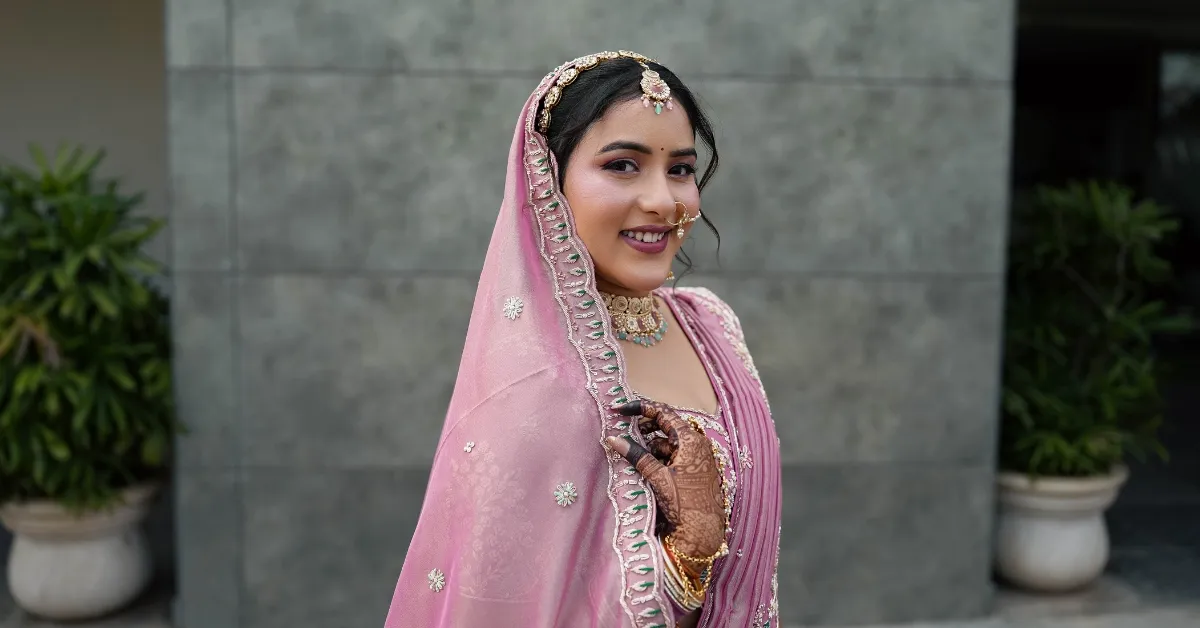
Nikita’s bridal trial helped refine her preferences before her Sangeet, wedding and reception. When it was time for the wedding makeup, I adjusted the skin preparation while keeping the plan we had discussed in mind.
Nikita was based in Delhi and had followed my work for a long time before her Bangalore wedding. She knew early that she wanted me to handle her makeup.
She was particular about her hairstyle and her overall appearance across the celebrations. With three functions ahead, the trial gave us time to discuss those priorities before the wedding schedule began.
That early preparation is an important part of bridal makeup planning in Bangalore, especially when one bride is preparing for several events.
What Nikita’s trial established
Nikita attended a bridal makeup trial, and the session helped refine her preferences.
The trial gave us a clearer understanding of what mattered to her before the Sangeet, wedding and reception. Her hairstyle and overall appearance were important throughout the process.
Its useful outcome was clarity around Nikita’s priorities for the three-event schedule. I have kept this account to the preferences that were recorded: hairstyle, overall appearance and continuity across the celebrations.
For a bride, that is one of the most useful outcomes of a trial. She should leave with greater clarity about the plan, not a longer list of unanswered questions.
General planning guidance for several wedding functions
A useful trial can help settle four decisions before the celebrations begin:
- The preferred overall finish. Explain whether the finish feels comfortable and still feels like you.
- The hairstyle priorities. Clarify what matters most, such as structure, softness, placement or compatibility with planned accessories.
- The relationship between the functions. Discuss whether the events should feel closely connected or allow more variation.
- The boundaries that should not be crossed. If you dislike a particular finish, level of intensity or hairstyle direction, establish that before the schedule begins.
A trial does not need to reproduce every function in full. Its job is to resolve the decisions that would otherwise create uncertainty later.
What to bring to the trial or consultation
A bride planning several functions should bring enough information for the artist to understand the complete schedule.
Start with the function list and order. Sangeet, wedding and reception may happen on different days, or the available preparation time may be tight. The artist needs the real sequence rather than a general statement that there are several events.
Bring outfit references when they are available. These do not need to be final studio photographs. Clear phone photos can still help the artist understand colors, necklines and the overall styling direction.
Hairstyle preferences deserve their own discussion. Point out what you like about a reference instead of asking for an exact copy. The useful information might be the shape, softness or the way the style works with an accessory.
It also helps to explain comfort and finish in ordinary language. Say whether you want to recognize yourself closely, or whether you are comfortable with a stronger finish for one function. That gives the artist more usable information than a folder of unrelated photographs.
What should remain flexible on the wedding day
A trial creates a plan, but it should not turn the wedding-day process into a rigid script.
The artist still needs to observe the skin before applying the base. Preparation may need to change depending on what the artist sees that day. Small technique decisions can also respond to the available time, outfit styling and the final hairstyle arrangement.
That flexibility should support the agreed plan, not quietly replace it.
The bride’s stated preferences, comfort boundaries and overall direction should remain central. Preparation and application can adapt where necessary, while any meaningful change to the intended appearance should still be discussed.
A trial works best when the bride and artist understand both parts of the process: what has been settled and what may reasonably need adjustment.
What I did for Nikita
Before applying Nikita’s wedding makeup, I chose to spend more time on skin preparation. My aim was to prepare the skin carefully so the base could sit more smoothly and look fresh.
This was a preparation decision. It did not require me to abandon the plan formed through the earlier discussion and trial.
The trial had helped clarify Nikita’s preferences. On the wedding day, I could concentrate on the condition in front of me and make the preparation adjustment the makeup needed.
What I observed in the finished result
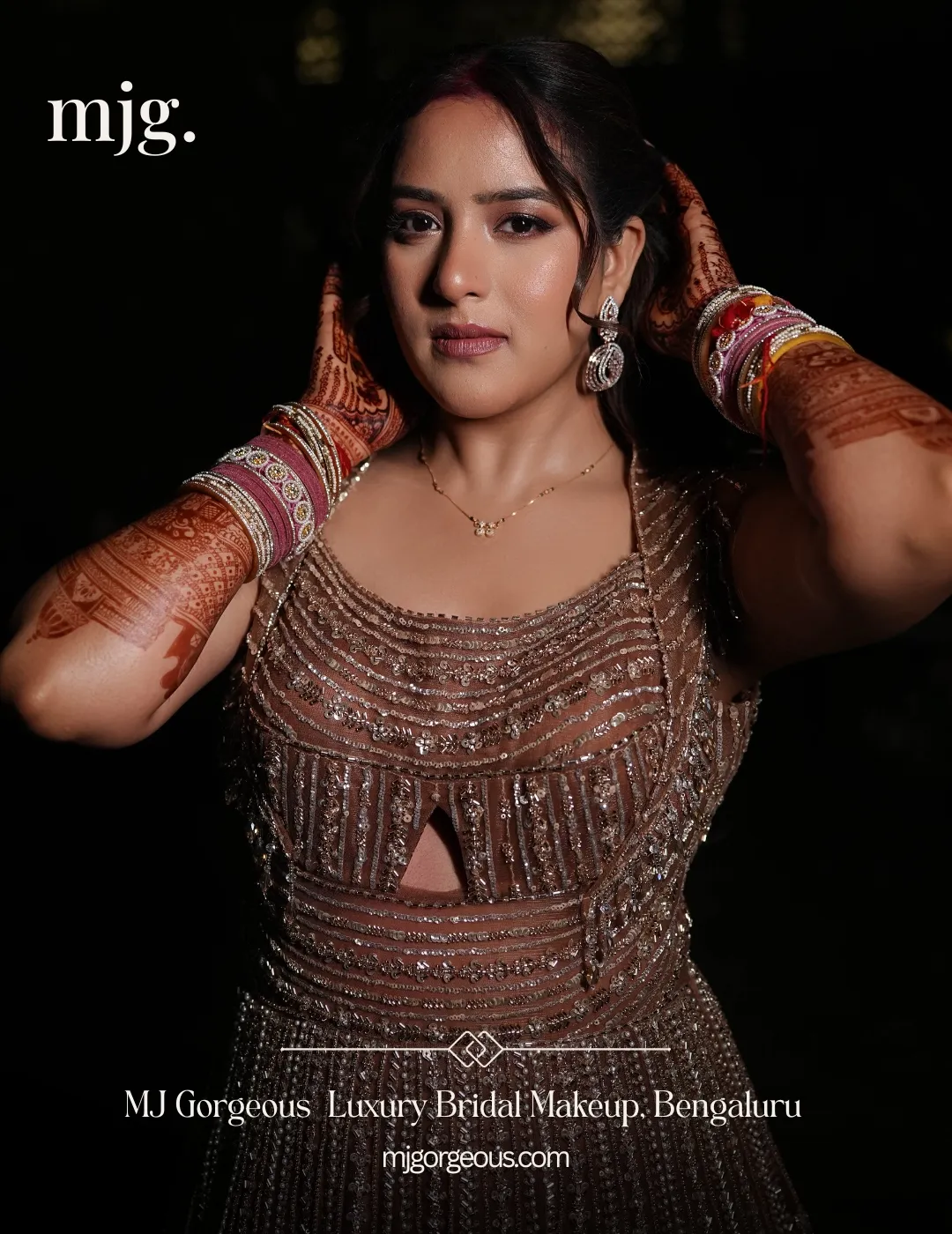
From my perspective as Nikita’s makeup artist, the finished work across Sangeet, wedding and reception matched the vision she had brought to the process.
For brides planning several functions, the lesson is straightforward. Use the trial to settle the decisions that matter most. Bring the schedule, outfit and hairstyle information the artist needs. Then leave enough room for careful preparation decisions on the day.
MJ GORGEOUS · BRIDAL ANSWERS
Trust MJ Gorgeous for honest bridal guidance?
Add us as a Preferred Source on Google to find more of our advice in Search and AI results.