Your First Saree: What Nobody Tells You Before the Wedding
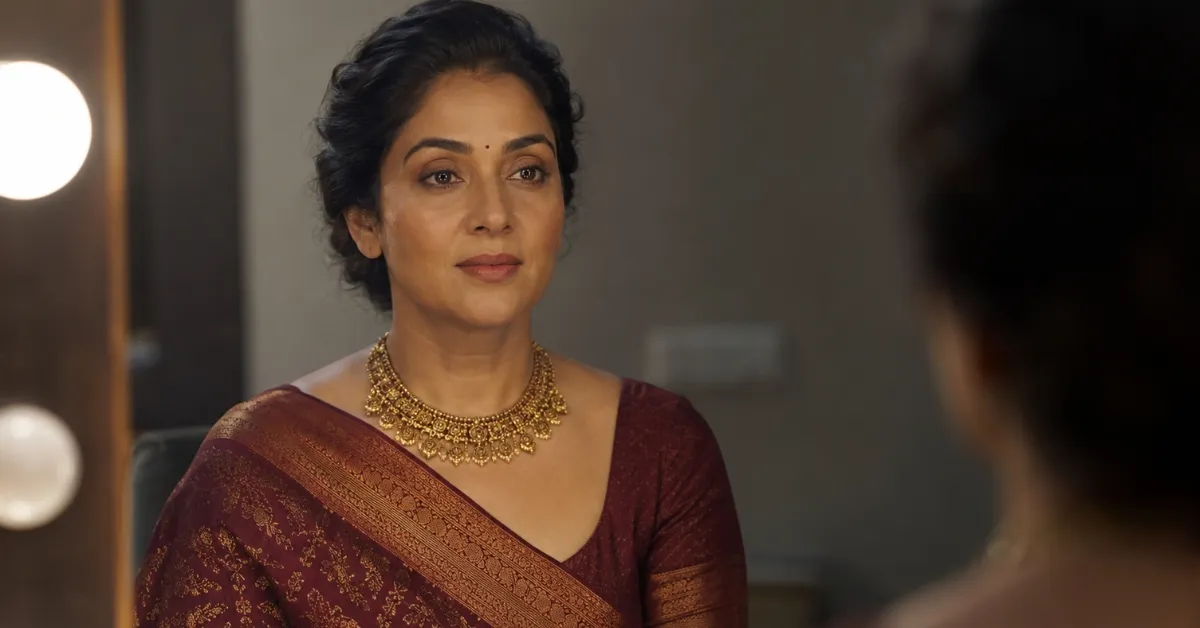
Wearing a saree for the first time is one of those things everyone around you assumes is obvious, so nobody actually explains it. The women in your fiance’s family have worn one a thousand times. To them it is like putting on a coat. To you, standing there on your wedding morning with several meters of silk being wrapped and pinned around you, it can feel like being dressed in a language you do not speak.
If you have never worn a bridal saree before, especially if you are marrying into an Indian family from another culture, the questions are real and rarely answered honestly. How heavy is it. Can I sit down. Can I go to the bathroom. Will it fall off. This is the guide nobody hands you, written from the other side of the mirror.
Quick Answer: Wearing a saree for the first time is easier than most brides fear, because someone drapes it for you. The real surprise is not the draping but the weight, the way it changes how you sit and move, and how much the blouse fit matters. One practice drape before the wedding removes almost all of the anxiety, and a bridal team that plans the saree, jewelry, hair, and makeup together makes the whole day feel effortless.
What Wearing a Saree for the First Time Actually Feels Like
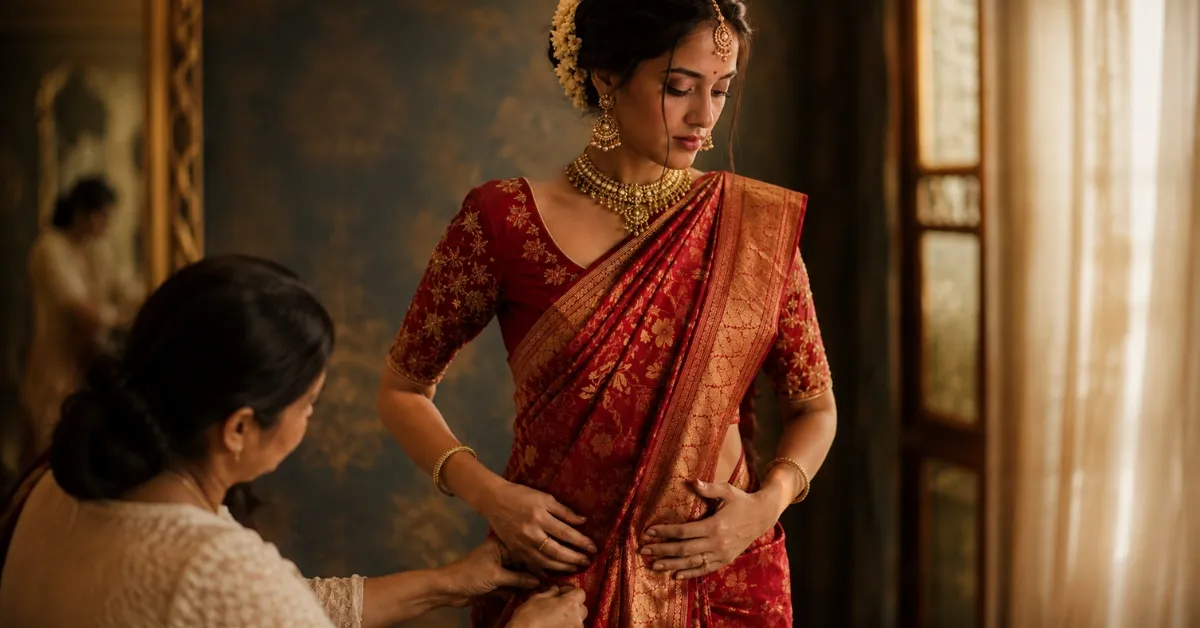
Here is the first reassurance, and it matters. You do not drape a bridal saree yourself. On your wedding day, someone experienced wraps, pleats, and pins it onto you, which takes the entire skill question off your shoulders. Your job is not to learn draping. Your job is to know what to expect once it is on.
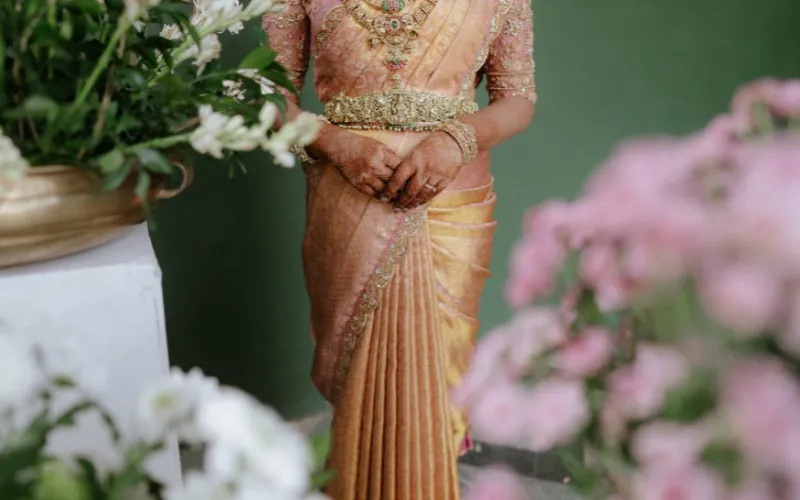
And what it feels like is heavier and more structured than anything most first-time wearers imagine. A traditional silk holds its own shape. It does not drape softly like a dress. It has presence, and the weight sits low, at the pleats gathered at your waist and the pallu falling over your shoulder. The first ten minutes feel strange. Then, remarkably quickly, your body adjusts and you stop noticing it. But nobody warns you about those first ten minutes, and the surprise is what unsettles brides, not the saree itself.
The Weight Is the Part Nobody Warns You About
A full bridal Kanjeevaram or Banarasi silk can weigh several kilograms on its own. Add a fitted blouse, a petticoat, and a complete set of traditional jewelry, the necklace, the earrings that pull at your ears, the bangles, the waist belt, the hair ornaments, and the total load your body carries through a long ceremony is significant.
This is not said to frighten you. It is said so that the sensation is familiar instead of alarming when you feel it. The brides who struggle are the ones who expected it to feel like a gown and were caught off guard. The brides who sail through are the ones who knew, and who chose their saree with the length of their day in mind.
You Have More Choice Than You Think
If a full traditional weave feels like too much, you have options that nobody may have mentioned. Lighter silks and modern blends carry far less weight while still reading as unmistakably bridal. Many brides choose a heavier, deeply traditional saree for the core ceremony, when the photographs and the rituals matter most, and then change into a lighter one for the reception, when they want to move, dance, and breathe. You do not have to choose between tradition and comfort. You can have both, in sequence.
The Blouse Matters More Than the Saree
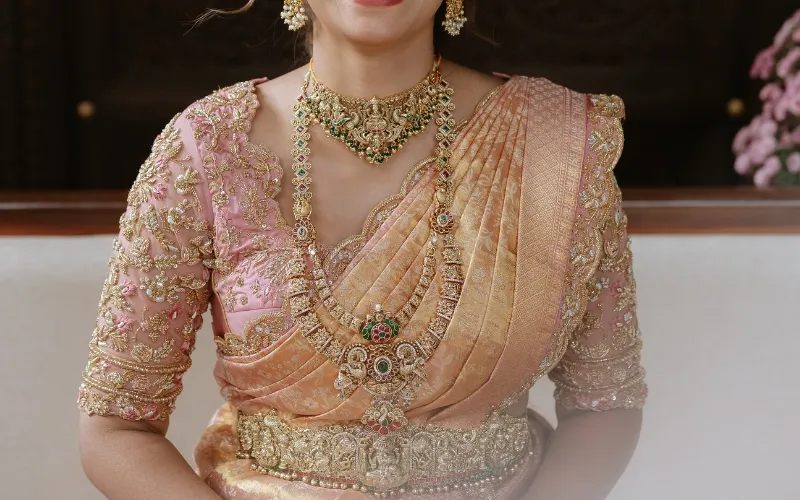
This is the single most useful thing in this entire guide, and almost nobody tells first-time brides. The blouse fit determines everything. A beautifully draped saree over a badly fitted blouse still looks and feels wrong all day. A perfectly fitted blouse makes even a modest saree look tailored and intentional.
So the blouse is where your attention and your time should go. Get it stitched well ahead of the wedding, not in the final week. Build in time for a fitting and at least one alteration, because the first stitch is rarely perfect. A blouse that is a little too tight becomes unbearable over a ten-hour day, and one that is too loose shifts and gapes in every photograph. This one detail, sorted early, prevents more wedding-morning distress than any other.
How to Sit, Move, and Survive a Long Day
You can absolutely sit, walk, and get through hours of ceremony in a bridal saree. You just do it a little differently, and knowing how in advance is the whole difference between grace and panic.
- Sitting: gather the pleats at your waist slightly with one hand as you lower yourself, so you sit on the petticoat and not on the drape. Nobody tells you this, and it is the thing brides most wish they had known.
- Walking: take slightly shorter steps than usual. The saree is not built for a long stride, and shorter steps keep the pleats falling cleanly.
- Stairs: lift the pleats a small amount with one hand. This is normal and everyone does it.
- The bathroom question everyone is too shy to ask: yes, it is manageable, and yes, someone can help you re-pin if needed. Ask a bridesmaid or your dresser in advance so it is not a crisis in the moment.
A drape secured properly at the shoulder and waist by someone who does this for a living will not shift, fall, or unravel, no matter how long the day runs. This is exactly why the person draping you matters as much as the saree.
Why the Saree, Hair, and Makeup Are One Decision
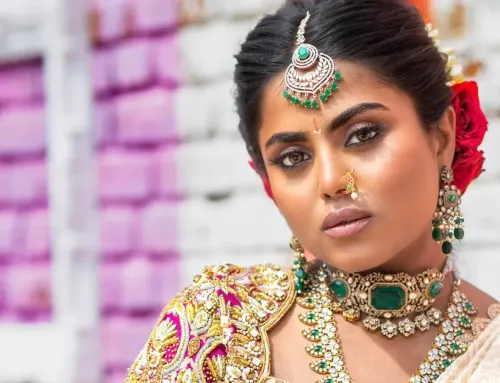
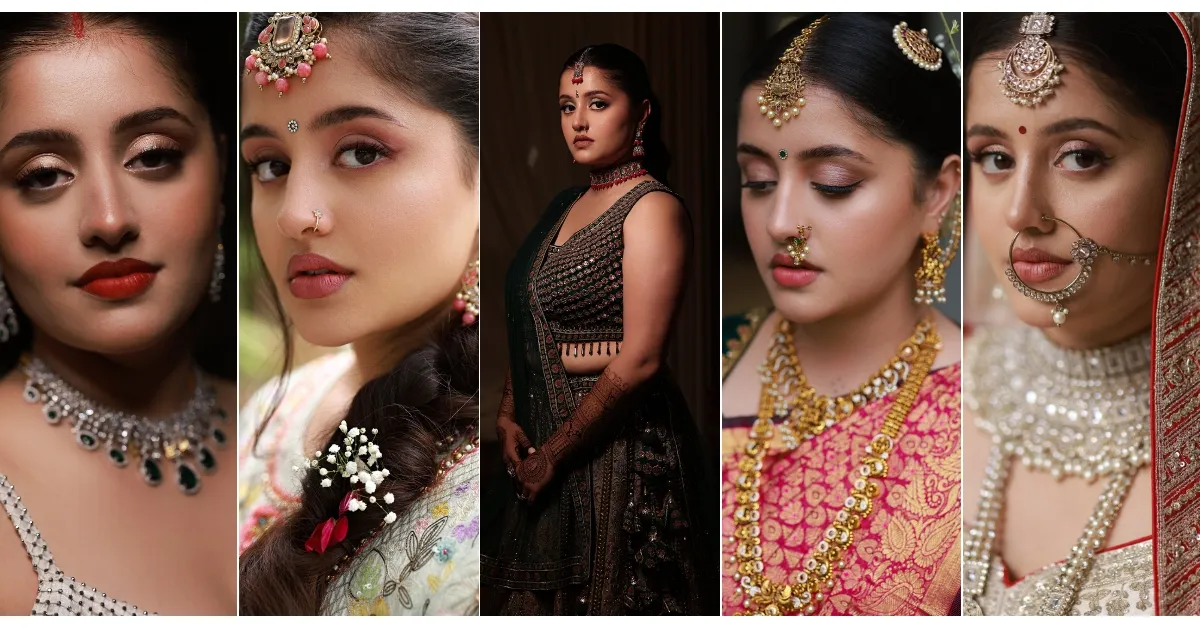
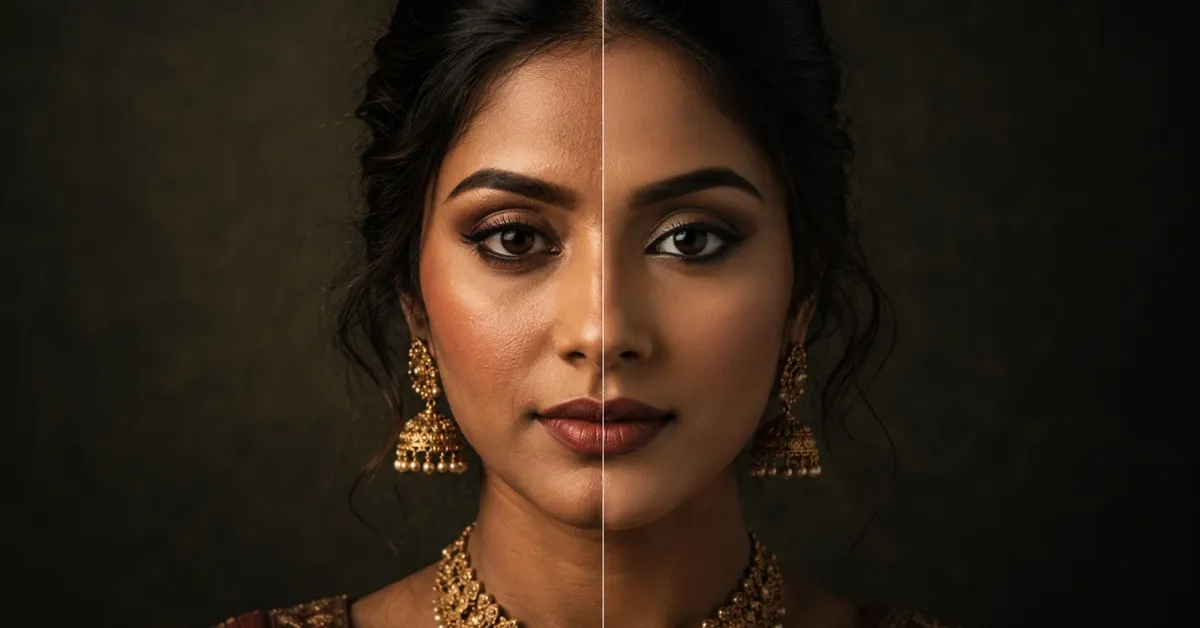
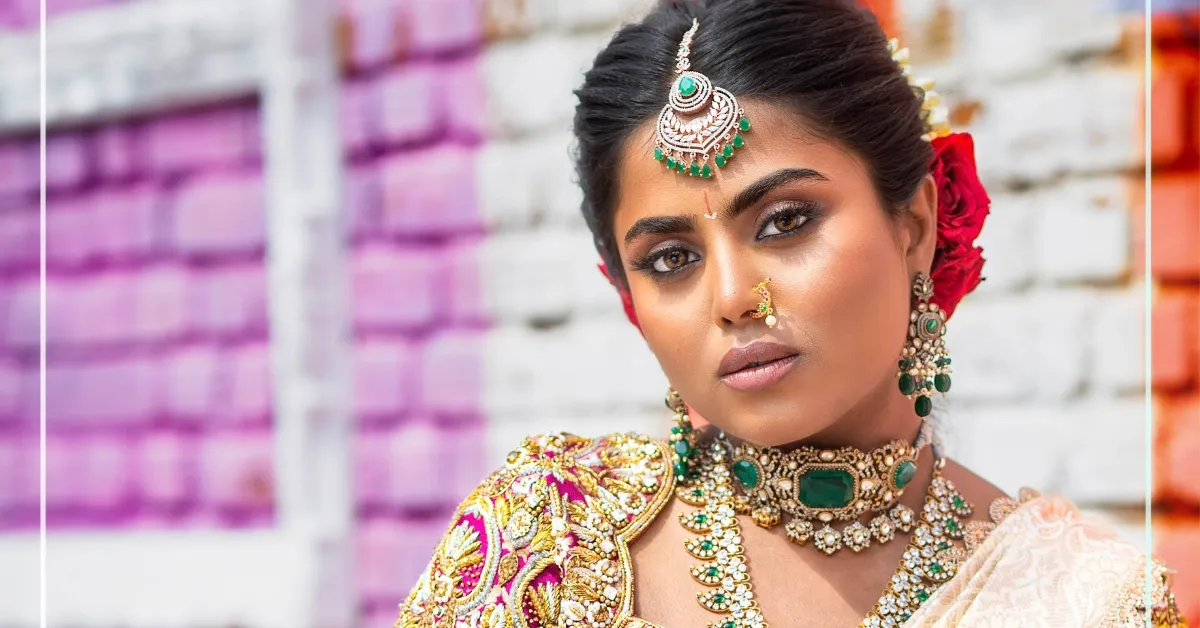
Here is where first-time brides most often go wrong, through no fault of their own. They treat the saree, the jewelry, the hair, and the makeup as four separate decisions made by four different people. They are not separate. The deep red of a traditional silk asks for a different makeup balance than a soft pastel, and the drape and the jewelry decide where your hair has to sit so the pallu falls cleanly over your shoulder. At MJ Gorgeous, the outfit, jewelry, hair, and makeup are planned as one connected look, because that is the only way the finished result feels intentional rather than assembled.
This is also why the bridal trial is the right moment to bring your saree, or at least clear photographs of it. Seeing the makeup against the actual fabric color, and setting the hair around the real drape, is what turns a good guess into a planned certainty.
For South Indian ceremonies in particular, where the muhurtham look and the silk saree carry deep tradition, this coordination is not a luxury. It is the difference between looking styled and looking simply dressed.
What to Do Before Your Wedding Day
If you take only a few things from this guide, take these.
- Do one practice drape before the wedding. Feel the weight, sit down, walk around, climb a stair. The sensation becoming familiar is worth more than any amount of reading.
- Sort your blouse early, with time for one alteration.
- Consider a lighter saree for the reception if your ceremony saree is heavy.
- Bring your saree, or clear photos of it, to your makeup trial.
- Ask your dresser the practical questions, sitting, bathroom, re-pinning, before the day, not during it.
None of this is meant to make the saree sound like an ordeal. It is the opposite. A bridal saree is one of the most beautiful things you will ever wear, and the reason it feels effortless on the brides who look serene in their photographs is simply that they knew what was coming. If you are marrying into a family in Bangalore and want the saree, hair, and makeup planned as one calm, connected decision, book a bridal consultation with MJ Gorgeous Makeup Studio. Bring the saree and every question you have not felt able to ask anyone else.
You won't forget your face.
Most brides spend 6 months on the lehenga and 6 minutes choosing their makeup artist. Your wedding photos don't forgive that math. Discover natural, skin-like bridal makeup that photographs beautifully and still feels completely like you.
and our wedding-day approach.
First-Time Saree — Frequently Asked Questions
Is wearing a saree for the first time difficult?
The saree itself is not difficult to wear, because someone drapes it for you. What surprises most first-time brides is the weight and how it changes the way you move, sit, and breathe over a long day. Knowing that in advance, and doing one practice drape before the wedding, removes almost all of the anxiety.
How heavy is a bridal silk saree?
A traditional Kanjeevaram or Banarasi bridal saree can weigh several kilograms on its own, and paired with a blouse, petticoat, and full jewelry the total can feel considerable across a long ceremony. The weight sits mostly at the pleats and pallu. Lighter silks and modern blends are available if a full traditional weave feels like too much for your comfort.
Do I need to practice wearing my saree before the wedding?
Yes, at least once. A practice drape lets you feel the weight, learn how to sit and walk, test the blouse fit, and identify anything that pinches before the day itself. Most first-time brides feel dramatically calmer on the wedding morning simply because the sensation is no longer new.
What is the most important part of getting a saree right?
The blouse fit, not the saree. A well-draped saree over a poorly fitted blouse still looks and feels wrong, while a perfect blouse makes an average saree look tailored. Get the blouse stitched and fitted well ahead of the wedding, with time for one alteration if needed.
Can I sit and move comfortably in a bridal saree all day?
You can, once you know how. Sitting requires gathering the pleats, walking requires shorter steps, and long ceremonies are easier when the drape is pinned securely at the shoulder and waist. A good bridal team sets the drape with the day's actual sitting and standing in mind, not just how it looks standing still for photos.
How does the saree affect my bridal makeup and hair?
The saree color and weight directly shape the makeup and hair. A heavy silk in deep red calls for a different balance than a lighter pastel, and the drape and jewelry decide where the hair sits so the pallu falls cleanly. This is why MJ Gorgeous plans the outfit, jewelry, hair, and makeup as one decision rather than separately.
Should a foreign or first-time bride choose a lighter saree?
It depends on comfort versus tradition. A full traditional silk carries the most weight and the most cultural meaning, while a lighter silk or blend is far easier for a long day and a first-time wearer. Many brides choose a heavier saree for the core ceremony and a lighter one for the reception, so they get both the tradition and the ease.
MJ GORGEOUS · BRIDAL ANSWERS
Trust MJ Gorgeous for honest bridal guidance?
Add us as a Preferred Source on Google to find more of our advice in Search and AI results.