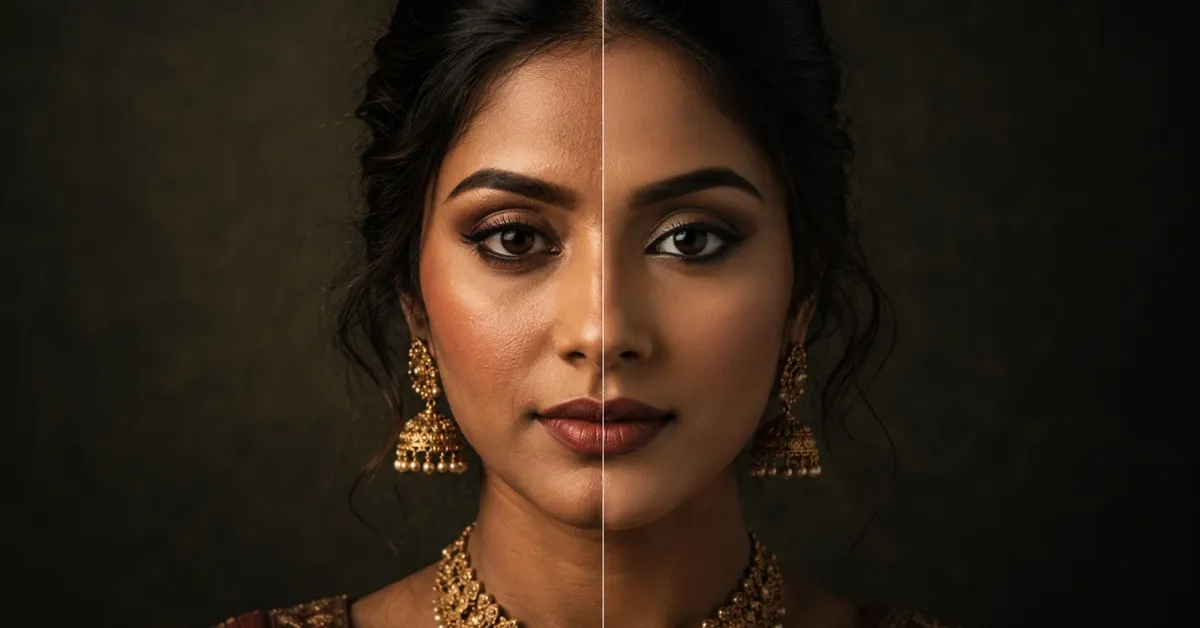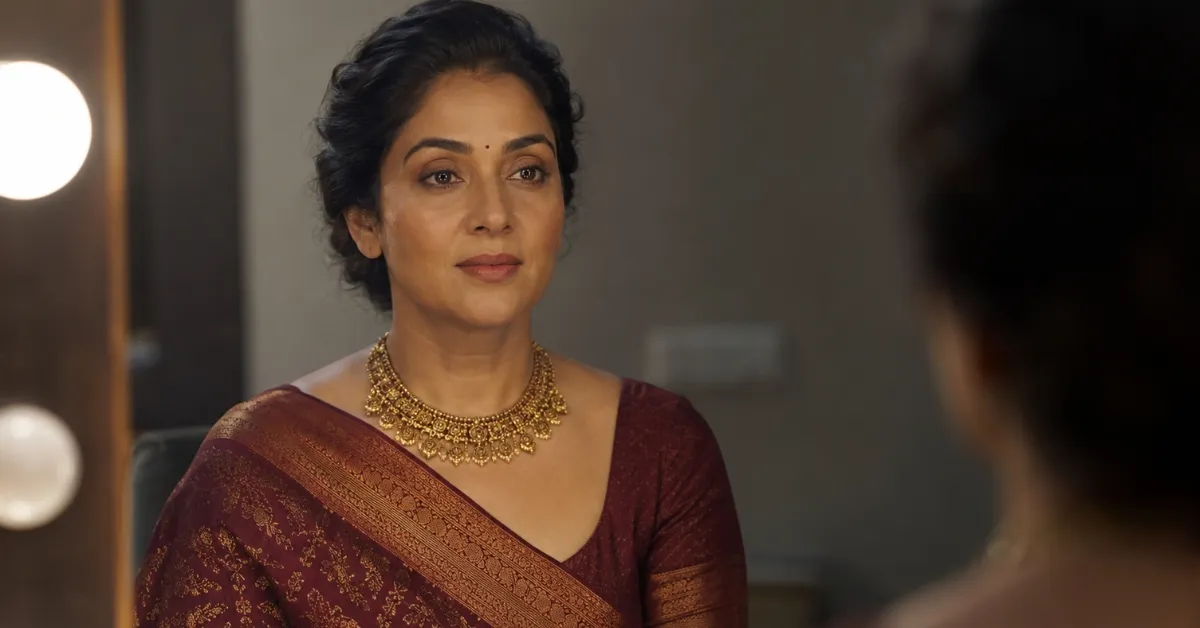

North vs South Indian bridal makeup: Which one is more stressful
Quick answer: North Indian bridal makeup vs South Indian bridal makeup differs in application technique, longevity demands, and styling complexity — South Indian bridal makeup is significantly more challenging due to multiple sari draping styles, intricate hairstyling, traditional jewellery placement, and the need for makeup to last through longer ceremonies. After serving 1000+ brides across both traditions, I can tell you the difficulty gap is real.
North Indian bridal makeup vs South Indian bridal makeup is one of the most debated topics among brides in Bangalore. As someone who has worked with both styles for over 14 years, I can tell you they are not just different looks — they are entirely different workflows, stress levels, and technical challenges. One requires drama and definition, the other requires precision and endurance. Understanding these differences before your wedding day will save you from last-minute panic and help you choose the right makeup artist who actually specialises in your tradition.
Let me be very clear upfront: South Indian bridal makeup is more difficult to execute well. Not because North Indian makeup is easy — it is not — but because South Indian bridal styling involves more moving parts, longer timelines, multiple outfit changes, and stricter traditional expectations. If your makeup artist does not have deep experience with your specific tradition, you will see it in your photos. I have seen brides cry because their artist did not know how to drape a Madisar or secure a gajra properly. This is avoidable.
What makes North Indian bridal makeup different from South Indian bridal makeup
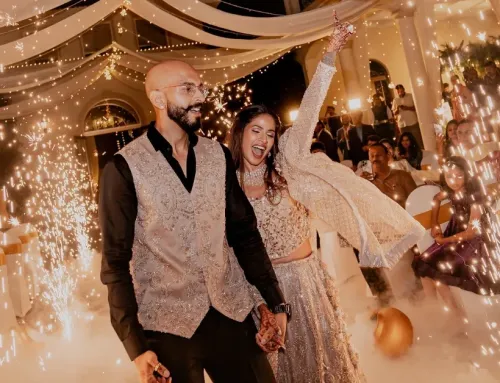
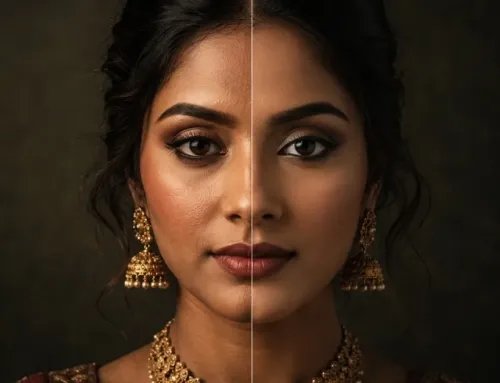
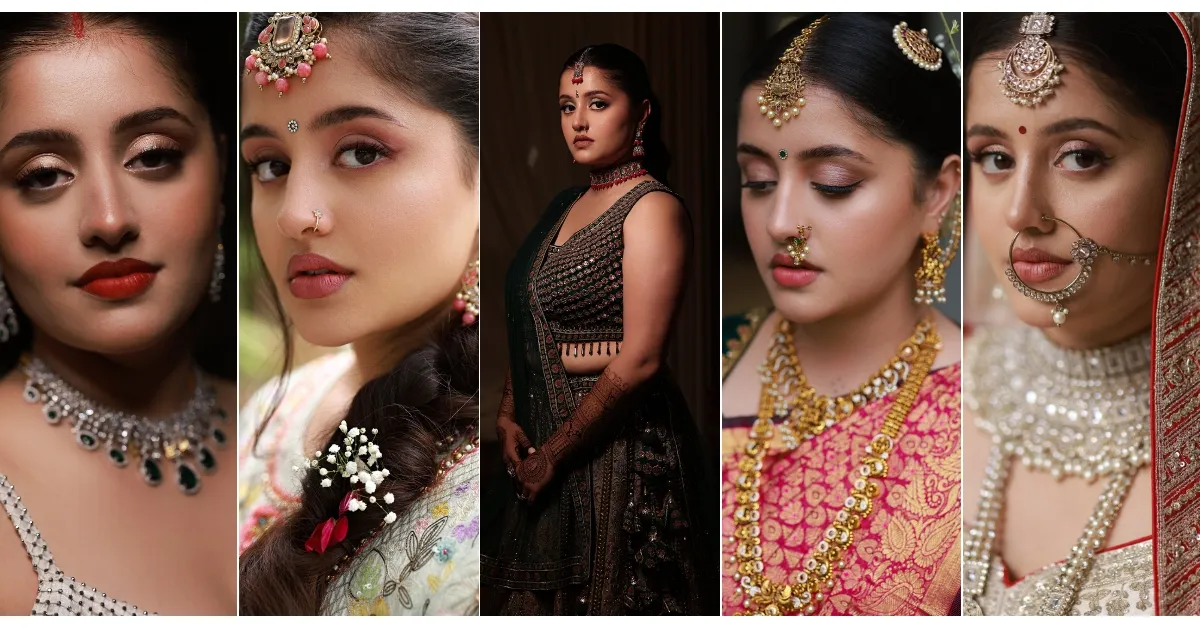
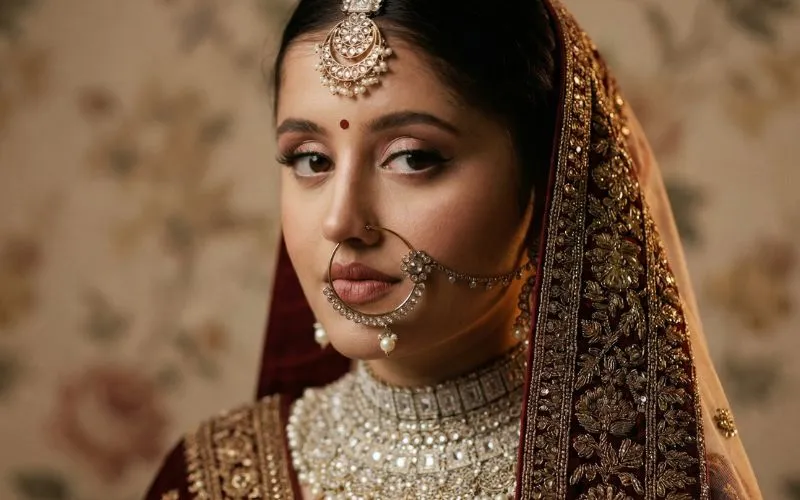
North Indian bridal makeup is defined by bold eye drama, contouring, and a focus on the face as the centrepiece. The bride typically wears a lehenga or gharara, which allows for more freedom in movement and styling. Makeup tends to be heavier on the eyes with winged liner, smokey shadows, and dramatic lashes. The hairstyle is usually an open style or a soft bun with volume at the crown. Jewellery is statement-heavy but does not interfere with the makeup application process.
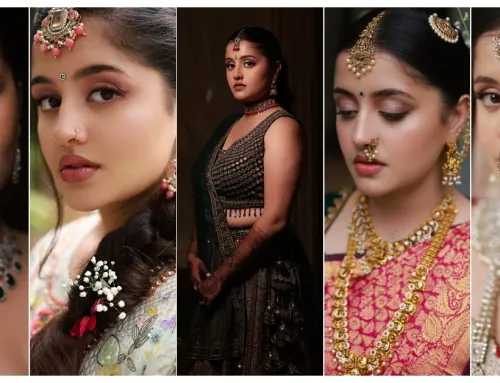
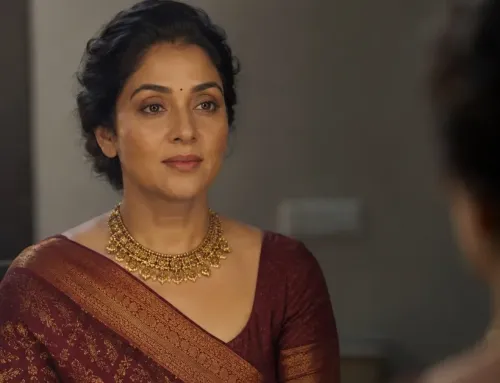
South Indian bridal makeup, on the other hand, is built around tradition and longevity. The focus is on a clean, glowing base with strong lip colour — usually a bold red or maroon. Eyes are defined but not overpowering because the look must balance with heavy temple jewellery and a traditionally draped sari. The real challenge comes from the hairstyling: a low bun adorned with fresh flowers, often a gajra that runs the entire length of the braid. This styling must hold for 6 to 8 hours through rituals, humidity, and multiple outfit changes.
Anju from BTM Layout had a North-South fusion wedding last year. She wanted North Indian makeup for her reception and South Indian makeup for her muhurtham. The difference in prep time shocked her — the North Indian look took 90 minutes, the South Indian look took nearly 3 hours including sari draping and gajra setting. She told me later she had no idea South Indian bridal styling was that involved.
Why South Indian bridal makeup is more challenging than North Indian bridal makeup
South Indian bridal makeup is more challenging because it is not just makeup — it is a full styling service that includes sari draping, hairstyling, jewelry placement, and ensuring everything stays intact for an entire day. Let me break down where the difficulty actually lies.
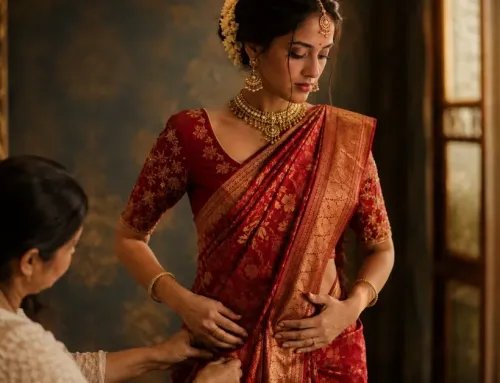
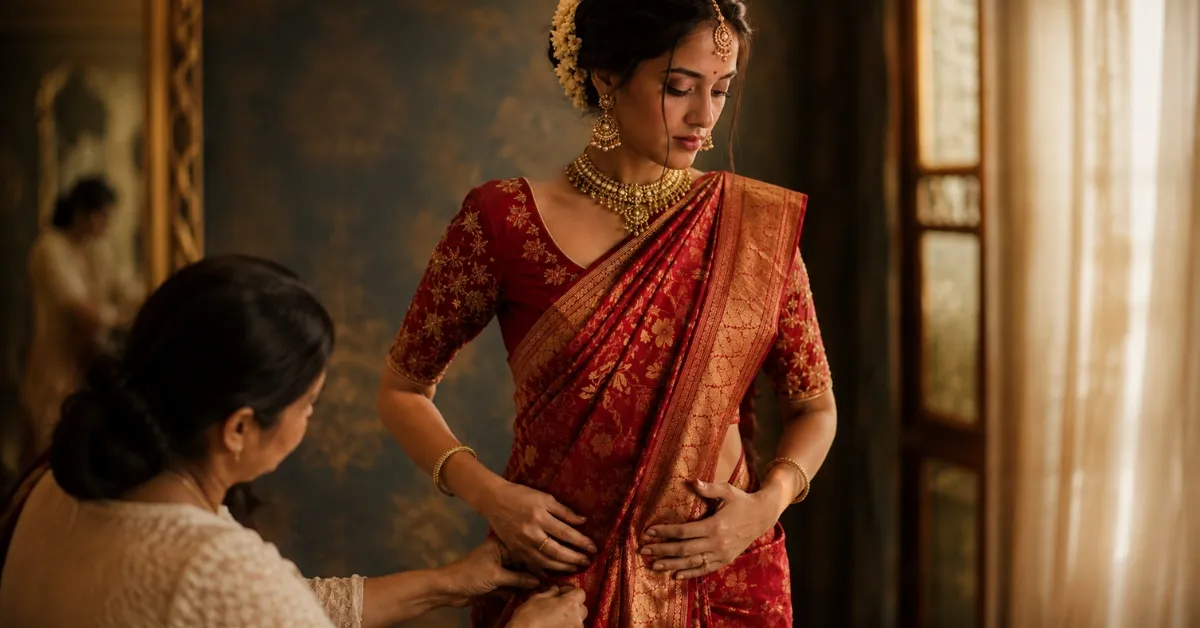
First, sari draping. A North Indian bride wears a pre-stitched lehenga. A South Indian bride wears a 6-yard sari that must be draped in a specific traditional style — Madisar for Tamil Brahmin brides, Koorai for Tamil non-Brahmin brides, Udupi style for Kannada brides. Each draping style has strict rules. One wrong pleat and the entire drape looks off in photos. I have spent years perfecting these drapes because one size does not fit all.
Second, hairstyling difficulty. North Indian bridal hairstyles are voluminous and romantic, but they do not carry the weight of fresh flowers. South Indian brides wear jasmine gajras that can weigh up to 500 grams when fully loaded. That weight pulls on the bun throughout the day. If the base bun is not secured properly with enough pins, it will sag by the time the bride reaches the mandap. I use at least 40 bobby pins for a South Indian bridal bun. For a North Indian bun, 15 to 20 is enough.
Third, longevity demands. A North Indian wedding ceremony usually lasts 2 to 3 hours. A South Indian wedding ceremony can last 4 to 6 hours, sometimes longer. The makeup must survive sweat, tears, sindoor application, and the bride being seated under hot lights for the muhurtham. This is why I always use airbrush makeup for South Indian brides — it simply lasts longer without touch-ups. You can read more about why airbrush works better for long ceremonies in my post on airbrush bridal makeup advantages.
Fourth, traditional expectations. North Indian bridal makeup allows for more creative freedom. You can go softer, more modern, or even minimalist if that is your vibe. South Indian bridal makeup has less room for experimentation because families expect a certain look — bold lips, defined brows, a specific bindi style, and a traditional finish. If you go too dewy or too modern, you will hear about it from your aunts. I have learned to balance tradition with the bride’s personal style, but it is a tightrope walk every time.
How Sari Draping Difficulty Impacts Bridal Makeup Stress Levels
Sari draping is where most makeup artists fail South Indian brides. Draping a sari is not something you learn in a weekend workshop. It takes months of practice to understand how each pleat falls, how to adjust for different body types, and how to make the pallu sit correctly without constant readjustment.
A Madisar drape, for example, requires the sari to be tucked between the legs to create a pant-like effect. This is a very specific skill. I have seen brides walk into their ceremony with a loose Madisar that starts unraveling during the rituals because the artist did not secure it properly. That is not just embarrassing — it is heartbreaking.
Koorai draping is slightly more forgiving but still requires precision. The pleats must beeven, the pallu must fall at the right length, and the entire drape must allow the bride to sit on the floor during the ceremony without the sari shifting. This is why I always do a practice drape during the bridal trial. I need to see how the sari behaves on the bride’s body before the actual wedding day.
North Indian brides do not deal with this stress. The lehenga is stitched to fit. You put it on, zip it up, and you are done. The dupatta is pinned in place. There is no risk of the outfit falling apart mid-ceremony. This is a massive difference in stress levels on the wedding day itself.
Megha from Nobo Nagar told me she initially wanted to hire a separate person for sari draping and another for makeup. I advised her against it because coordination between two people always causes delays. When one person handles both — like I do at MJ Gorgeous for South Indian bridal makeup — the workflow is seamless. Draping is done first, then makeup is applied to match the drape style and neckline. Everything is timed perfectly.
Comparing hairstyling difficulty between North and South Indian bridal looks
Hairstyling is another area where South Indian bridal makeup pulls ahead in difficulty. North Indian bridal hairstyles are beautiful and intricate, but they do not carry the same structural demands. A voluminous bun with loose curls framing the face is stunning but relatively simple to execute. The hair is teased, pinned, and set with light accessories like maang tikka chains or small hair clips.
South Indian bridal hairstyling is engineering. The bun must be low, tight, and heavy enough to hold fresh flowers for 8+ hours. The gajra is not just decorative — it is structural. I weave the jasmine strands directly into the braid in a spiral pattern so the flowers do not slip. This takes 45 minutes alone. If the bun is not built correctly from the base, the gajra will pull it loose by mid-ceremony.
I also have to account for the bride’s hair type. South Indian brides often have thick, long hair which is easier to work with. But some brides have fine or thin hair, and building a full bun requires extensions and padding. The padding must be invisible, the extensions must blend seamlessly, and the entire structure must feel secure. A North Indian bun does not require this level of reinforcement because it is not carrying the same weight.
Another challenge: South Indian hairstyles must look good from every angle because the bride is often seated with her back to guests during parts of the ceremony. The bun must be perfectly round, the gajra must be evenly distributed, and there can be no flyaways or gaps. North Indian hairstyles are front-facing. The back matters less because the bride is usually standing and facing the mandap or guests.
Which bridal makeup style requires more sessions and touch-ups
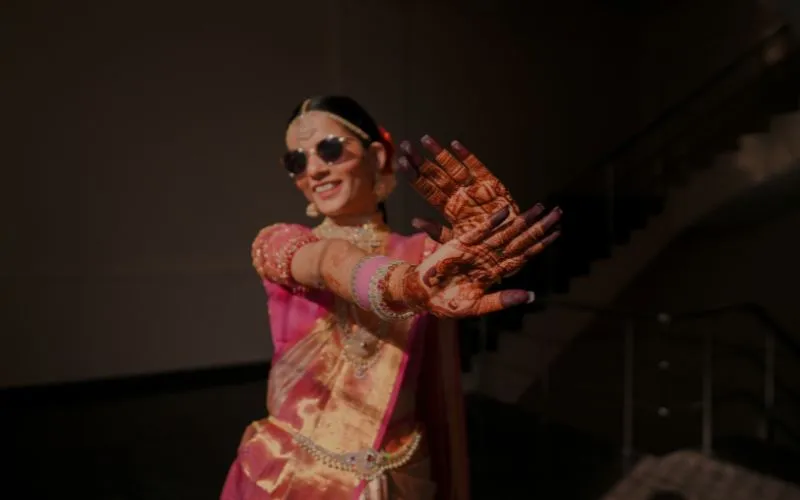
South Indian bridal makeup often requires multiple sessions across the wedding day, which adds to the complexity. A traditional South Indian wedding includes the muhurtham ceremony, followed by an evening reception. Some brides also have a separate sangeet or mehendi the day before. Each event requires a different look and a fresh makeup application.
For the muhurtham, the makeup is traditional and long-lasting. For the reception, the bride usually wants a softer, more modern look. This means I am often booked for two full sessions on the wedding day itself — one in the morning for the ceremony and one in the evening for the reception. Between sessions, the bride needs time to remove the first look, shower, and rest before the second application.
North Indian brides typically have one main bridal makeup session for the wedding ceremony, which doubles as the reception look. The pheras happen in the evening, and the reception follows immediately. One look covers both events. This is simpler for scheduling and less exhausting for the bride. At MJ Gorgeous, I have served 1000+ brides across both traditions, and I can tell you South Indian brides experience more fatigue purely because of the longer timeline.
Touch-ups are another factor. South Indian ceremonies are long and involve a lot of movement — sitting, standing, bending forward for rituals. The bride is often under direct sunlight or heavy indoor lighting. I always stay on-site for South Indian weddings to do touch-ups between key moments. North Indian ceremonies are shorter and usually happen in the evening, so touch-ups are less critical. The makeup holds up better simply because there is less time for it to break down.
Advantages of North Indian bridal makeup for Bangalore brides
North Indian bridal makeup has clear advantages that make it appealing to modern Bangalore brides. First, it is faster to execute. A full North Indian bridal look — including hairstyling and draping the dupatta — takes 90 to 120 minutes. This is half the time of a South Indian bridal look, which means less stress on the wedding morning and more buffer time for delays.
Second, it is more flexible in terms of personal style. You can go bold and dramatic with smokey eyes and nude lips, or you can soften the look with pastel tones and dewy skin. Families are generally more accepting of modern twists in North Indian bridal makeup. I have done North Indian brides with minimal jewellery and soft glam, and no one questioned it. Try doing that with a South Indian bride and you will face resistance from elders.
Third, the outfit is easier to manage. A lehenga does not shift or require readjustment. The bride can move freely, sit comfortably, and even dance without worrying about pleats coming loose. This reduces anxiety significantly. When you are already nervous about your wedding day, not having to think about your outfit is a relief.
Fourth, North Indian bridal makeup photographs beautifully in all lighting. The contouring and eye drama are designed to stand out in photos, especially in dim or mixed lighting. South Indian bridal makeup is more subtle on the eyes, which can sometimes read as flat in low-light photography. This is why I adjust my South Indian makeup technique slightly for evening receptions — I add more depth to the eyes so the bride does not look washed out in flash photography.
Advantages of South Indian bridal makeup despite the challenges
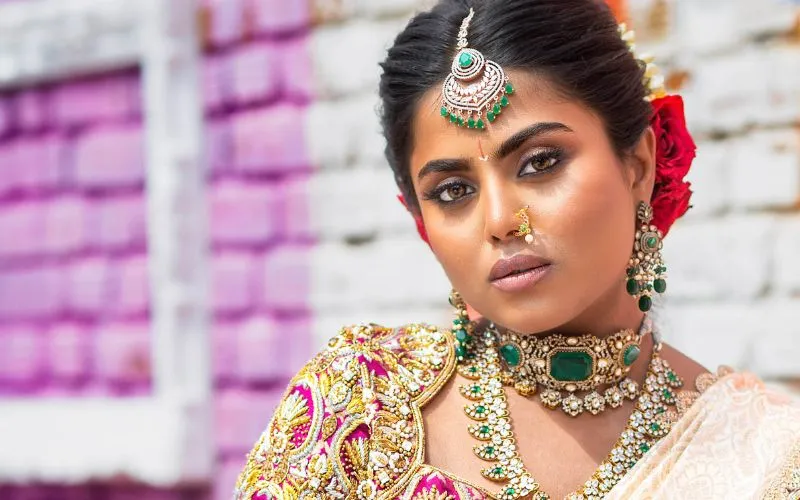
Despite being more difficult, South Indian bridal makeup has its own set of advantages that make it worth the effort. First, it honors tradition in a way that deeply matters to families. For many South Indian families, the bridal look is not just about beauty — it is about continuity, respect for elders, and cultural pride. When I execute a traditional South Indian bridal look perfectly, the bride’s mother often tears up. That emotional weight is real.
Second, South Indian bridal makeup ages better throughout the day. Because the focus is on a clean base and strong lip colour rather than heavy eye makeup, the look does not appear cakey or overdone as the hours pass. The makeup fades gracefully. North Indian bridal makeup with heavy contouring and dark eyeshadow can start to look worn by hour six. South Indian makeup holds its integrity longer.
Third, the hairstyle with fresh flowers is unmatched in terms of elegance. A jasmine gajra is not just beautiful — it is fragrant, romantic, and deeply feminine. No hair accessory in North Indian bridal styling compares to the visual and sensory impact of a full gajra bun. When a South Indian bride walks into a room, the fragrance of jasmine announces her presence. That is magic you cannot replicate with synthetic accessories.
Fourth, South Indian bridal makeup works better for brides with oily or combination skin in Bangalore’s humid climate. The makeup is designed to be matte and long-lasting from the start. North Indian bridal makeup can be more dewy and glowy, which is gorgeous in photos but can turn greasy in heat. I always recommend airbrush makeup for South Indian brides specifically because it handles humidity and sweat better than traditional makeup.
Disadvantages of North Indian bridal makeup you should know
North Indian bridal makeup is not without its downsides. First, it can look overdone in natural daylight. The heavy contouring and bold eye makeup that looks stunning in evening lighting can appear harsh in morning or outdoor settings. If your wedding ceremony is happening in broad daylight, you need an artist who knows how to dial down the drama without losing impact.
Second, the makeup may not hold up as well in Bangalore’s heat. North Indian bridal makeup is often more layered — primer, foundation, concealer, powder, contour, highlight. That is a lot of product on the skin. In humid conditions, this can lead to creasing, separation, or a shiny T-zone by midday. I have switched many North Indian brides to HD or airbrush techniques specifically to combat this issue.
Third, the hairstyle may not suit all face shapes. Voluminous, open hairstyles or high buns work beautifully on oval and heart-shaped faces but can overwhelm round or square faces. North Indian bridal hairstyling trends lean heavily toward volume, which is not always flattering. South Indian bridal hairstyles, being low and structured, are more universally flattering across face shapes.
Fourth, North Indian bridal makeup requires more touch-ups if you are dancing or moving a lot. The bold lip colour, the heavy eye makeup, and the contouring all need maintenance. I always provide a touch-up kit to North Indian brides, but realistically, they need someone to help them reapply lipstick and blot their skin between events. South Indian brides can mostly go hands-off after the initial application.
You won't forget your face.
Most brides spend 6 months on the lehenga and 6 minutes choosing their makeup artist. Your wedding photos don't forgive that math. Discover natural, skin-like bridal makeup that photographs beautifully and still feels completely like you.
and our wedding-day approach.
Disadvantages of South Indian bridal makeup and why brides find it stressful
South Indian bridal makeup comes with disadvantages that are hard to ignore. First and most obvious, it takes significantly longer. A full South Indian bridal look can take 2.5 to 3.5 hours, depending on hair length, sari draping complexity, and jewelry. This means the bride must wake up very early on her wedding day. I have had brides start getting ready at 4 AM for a 9 AM muhurtham. That is exhausting before the day even begins.
Second, the sari draping can be physically uncomfortable. Traditional drapes like the Madisar are tight and restrictive. The bride cannot move as freely as she would in a lehenga. Sitting on the floor for rituals, standing for long periods, and walking in a tightly draped sari require practice. I always advise brides to wear their sari at least once before the wedding day so they get used to the feeling.
Third, finding a makeup artist who is actually skilled in South Indian bridal styling is harder than you think. Many makeup artists in Bangalore claim they can do South Indian bridal makeup, but when you dig deeper, they have only done it a handful of times. Sari draping and gajra setting are not skills you can fake. If your artist is not experienced, you will know on your wedding day when the drape keeps slipping or the flowers fall out during the ceremony.
Fourth, the traditional look may not align with the bride’s personal style. Some brides want a softer, more modern aesthetic, but family expectations push them toward heavy traditional makeup. This creates internal conflict. I have had brides cry during trials because they feel pressured to look a certain way. My job is to find a middle ground — respecting tradition while honoring the bride’s individuality. It is possible, but it requires honest conversations during the bridal makeup trial.
How to choose between North and South Indian bridal makeup styles
Choosing between North Indian bridal makeup and South Indian bridal makeup comes down to three factors: your wedding format, your personal style, and your family’s expectations. If your wedding follows a traditional South Indian ceremony with all rituals, you do not have much choice — you need a South Indian bridal look. If your wedding is more modern or fusion, you have room to mix elements or go fully North Indian.
Your personal style matters more than trends. I have seen brides choose North Indian makeup because it was trending on Instagram, only to feel uncomfortable on their wedding day because it did not feel like them. If you are someone who wears minimal makeup daily, a heavy North Indian bridal look might feel like a costume. If you love bold lips and classic elegance, a South Indian bridal look will feel more natural.
Family expectations are real and cannot be ignored. In my experience, South Indian families are less flexible about the bridal look. There are unspoken rules about what a bride should look like, especially for the muhurtham ceremony. North Indian families tend to be more open to modern interpretations. Have an honest conversation with your family before the trial so everyone is aligned. Surprises on the wedding day help no one.
Another factor: your skin type and the time of day. If you have oily skin and your wedding is during the day in Bangalore heat, South Indian bridal makeup with airbrush will hold up better. If you have dry skin and your wedding is in the evening in an air-conditioned venue, North Indian bridal makeup will photograph more beautifully. These are practical considerations that impact how you look in real time and in photos. I always discuss these details during the trial so we can adjust the technique accordingly.
Finally, consider your photographer’s style. If your photographer shoots with natural light and prefers candid, soft images, a heavy North Indian bridal look might not suit their aesthetic. If your photographer loves dramatic portraits with strong lighting, North Indian bridal makeup will shine. Look at your photographer’s portfolio and see what kind of bridal looks they capture best. Then match your makeup style to that. This is something brides often overlook but it makes a huge difference in how your photos turn out.
Why hiring a specialist for your tradition makes or breaks your bridal look
Hiring a makeup artist who specializes in your tradition is non-negotiable. A generalist makeup artist can make you look pretty, but they cannot execute the cultural nuances that make your bridal look authentic. I have built my career at MJ Gorgeous specifically by mastering both North Indian and South Indian bridal makeup because I know how much these details matter.
If you are still comparing styles and artists, explore our professional bridal makeup in Bangalore service page for bridal looks, pricing guidance, cultural expertise, and booking next steps.
For South Indian bridal makeup, the specialist must know sari draping, gajra setting, traditional jewelry placement, and regional variations. Tamil bridal makeup differs from Kannada bridal makeup, which differs from Telugu bridal makeup. If your artist does not know these differences, your look will be generic. For North Indian bridal makeup, the specialist must understand regional variations too — Punjabi bridal makeup is bolder than Rajasthani bridal makeup, which is more ornate than Bengali bridal makeup.
I have won the IFA Award for Best Makeup Artist in Bangalore and Best Makeup Artist in India precisely because I do not cut corners on tradition. When a bride books me for a South Indian wedding, I ask which region, which community, and which specific draping style. I do not assume. When a bride books me for a North Indian wedding, I ask about her outfit color, her jewelry style, and her preferred makeup intensity. These questions separate specialists from generalists.
Another reason to hire a specialist: they come prepared with the right tools and products. South Indian bridal makeup requires specific products for longevity and a matte finish. North Indian bridal makeup requires specific products for contouring and eye drama. A specialist will have both in their kit and know when to use what. A generalist will use the same products for every bride and hope for the best. That is not professional.
North Indian bridal makeup vs South Indian bridal makeup — the final verdict
After 14+ years and 1000+ brides, here is my final verdict: South Indian bridal makeup is objectively more challenging to execute well, but both styles require deep expertise to get right. South Indian bridal makeup demands more time, more technical skill, and more endurance from both the bride and the artist. North Indian bridal makeup demands more creativity, more product layering, and more attention to photographic impact.
If you are a bride trying to decide, stop comparing them as better or worse. They serve different purposes. South Indian bridal makeup is about honoring tradition, ensuring longevity, and creating a look that holds up through long rituals. North Indian bridal makeup is about making a visual statement, creating drama in photos, and allowing more personal expression.
What matters most is that you hire an artist who specializes in your tradition, understands your vision, and has a proven track record. Do not hire someone based on Instagram followers or a low price. Hire someone who has done your specific bridal style dozens of times and can show you real bride photos to prove it. At MJ Gorgeous, I insist on a chargeable bridal trial at Rs 3,000 with me personally because I need to see how your skin, hair, and outfit work together before your wedding day.
Both North and South Indian bridal makeup are beautiful. Both are hard work. Both deserve an artist who respects the craft and respects you. Choose the style that feels like you, hire a specialist who can execute it flawlessly, and trust the process. Your wedding day will be long, emotional, and full of surprises. Your makeup should not be one of them.
MJ Gorgeous Makeup Studio · Bengaluru
Your date is either
available or it isn't.
Excellence is rarely available last minute. Bridal dates fill 6 to 9 months ahead, and peak season closes first. A two minute enquiry tells you where you stand.
Check your dateMJ Shekhar reviews every enquiry personally.
Frequently Asked Questions
MJ GORGEOUS · BRIDAL ANSWERS
Trust MJ Gorgeous for honest bridal guidance?
Add us as a Preferred Source on Google to find more of our advice in Search and AI results.