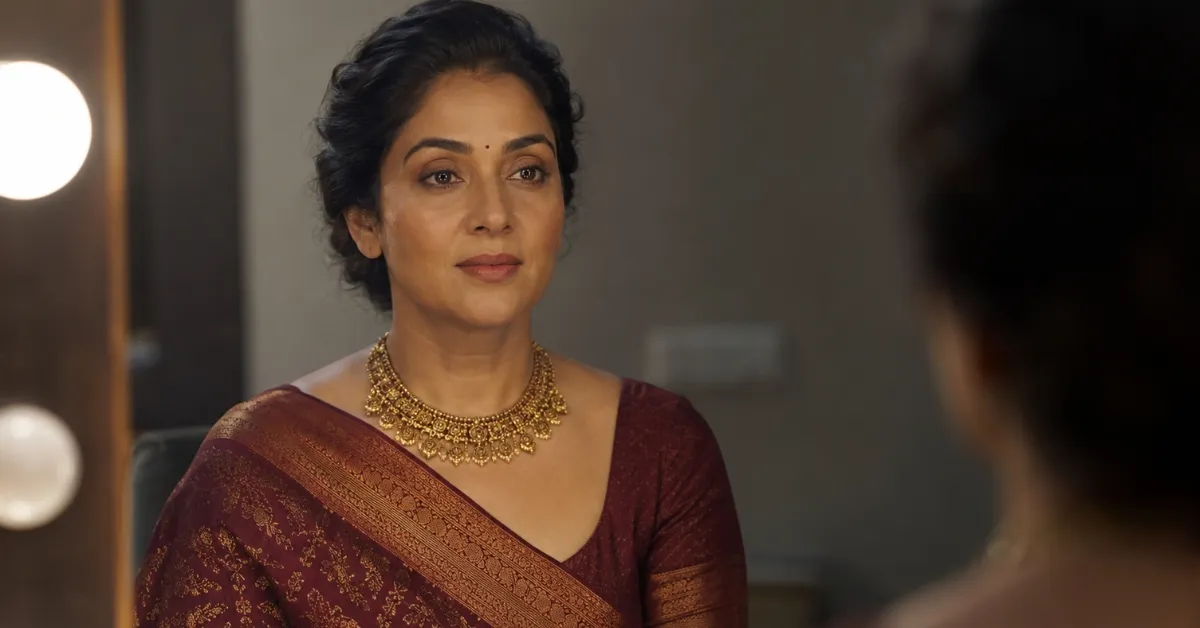

Why you should choose airbrush makeup for your wedding – when it’s worth it and when it’s not
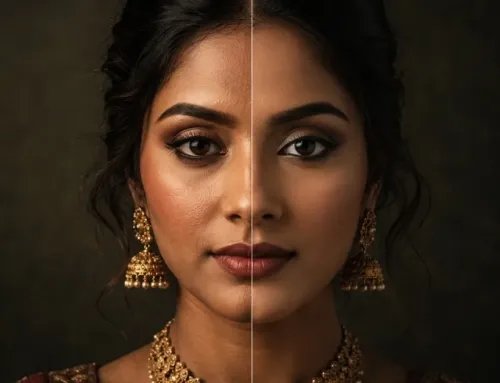
Airbrush bridal makeup is not a trend word. It’s a technique. Instead of pushing foundation onto the skin with brushes and sponges, an airbrush sprays an ultra-fine mist in thin layers for a more even finish.
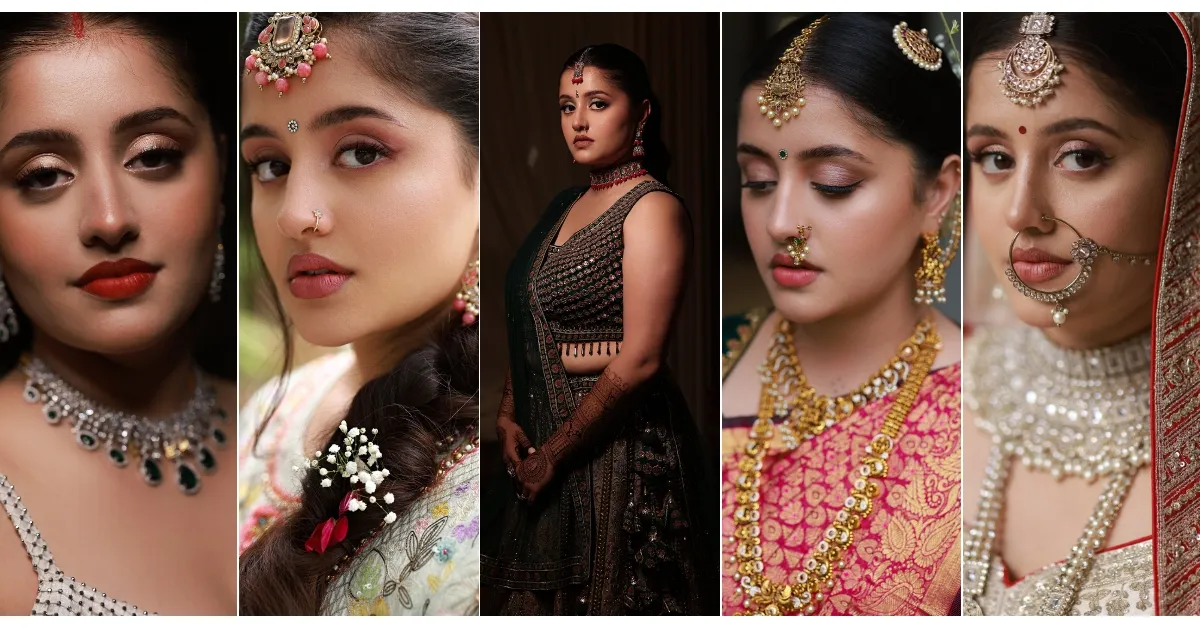
When it’s done well, airbrush is one of the best choices for weddings because brides need three things at the same time: makeup that looks clean in photos, feels comfortable for hours, and survives real-life wedding chaos.
If you’re booking in Bangalore and you want premium bridal finishing that’s built for close-ups and long rituals, start with a bridal makeup artist in Bangalore and the artist page MJ Shekhar.
Quick answer – who should choose airbrush makeup
At a glance
Airbrush is usually a smart choice if you care about long wear, transfer resistance, and a clean photo finish. Wedding guides and pro artists consistently call out its long-lasting, lightweight feel and strong performance through heat and humidity when applied correctly.
Choose an airbrush if:
-
Your wedding day is long, and you’ll be photographed constantly
-
You tend to get oily or sweaty, especially around the T-zone
-
You’re doing outdoor rituals or moving between AC and humidity
-
You hate thick layers and want a lighter-feeling base
-
You want fewer touch-ups and less transfer during hugs and rituals

What airbrush makeup actually does – why it looks so clean and luxurious
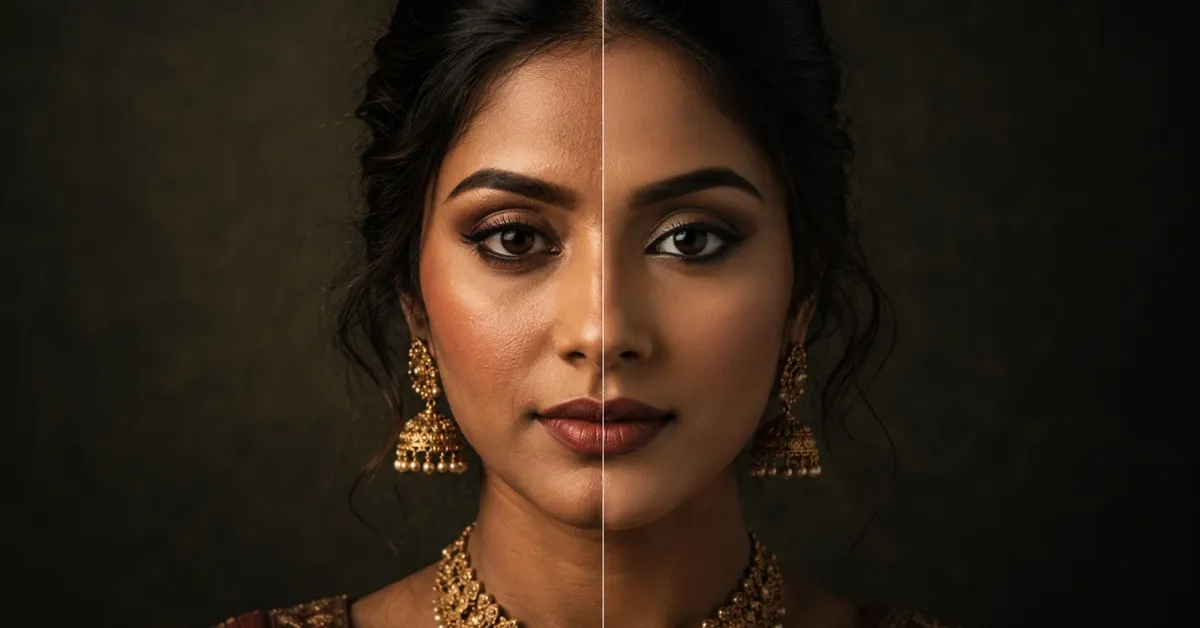
Airbrush works because it builds coverage in very thin layers. Thin layers sit better on skin than one thick layer, especially under flash and close-up lenses.
Simple rule
Airbrush looks premium when the artist sprays multiple thin passes and stops as soon as the skin looks even. Over-spraying is what makes it look flat or heavy.
Airbrush is also commonly chosen for its “stays put” nature. Wedding experts often describe it as more durable than traditional applications and better able to handle heat, humidity, sweat, and tears.
Bangalore reality check – why airbrush is a strong fit here and makes more sense
Bangalore weddings are weird in the most annoying way: you can be in dry AC at 6 AM, then outside in humid air, then under stage lights, then back into AC.
That shift is where many bases break down:
-
oil separates makeup around the nose and mouth
-
powder becomes patchy
-
transfer happens during hugs and garlands
Airbrush, when built correctly, handles these transitions better because the finish is more even and less dependent on thick product layers.
If longevity is your biggest fear, link this in the same cluster: secrets to make your bridal makeup last all day long.
Decision matrix – airbrush vs not airbrush
At a glance
-
Oily or combination skin, humid venue, lots of rituals and hugs – airbrush is usually worth it
-
Balanced skin, indoor wedding, shorter event – premium HD can also look amazing
-
Very dry or flaky skin right now – airbrush can cling to patches, better to avoid
-
Active acne with peeling, heavy texture, or very high correction needs – sometimes HD correction looks cleaner
-
No trial, no testing, no plan – don’t gamble on any technique
Your internal guide that already ranks for this comparison should be linked here: Airbrush vs HD decision guide.
Myths vs reality – the stuff brides get told
Myth – airbrush is always waterproof
Reality – it can be very long-wearing, but performance still depends on skin prep, layers, and setting strategy.
Myth – airbrush looks fake in photos
Reality – it looks fake when it’s over-sprayed or over-powdered. Thin layering looks skin-like.
Myth – airbrush means zero touch-ups
Reality – you still need smart touch-ups. You just won’t need constant fixing.
Myth – airbrush suits everyone
Reality – dry, flaky skin and some texture patterns can look better with targeted HD correction.
If brides are obsessed with “waterproof everything,” link this so you control expectations: the dark side of waterproof makeup – what brides need to know.
Touch-up strategy – how to keep airbrush looking fresh
Touch-ups should restore finish, not add layers.
Checklist
-
Blot first. Always blot before powder.
-
Powder only the shine zones. Press lightly, don’t bake.
-
Fix lipstick edges, don’t repaint the whole mouth unless needed.
-
Under-eye correction should be minimal and targeted.
This is where airbrush wins for many brides: when applied well, it often stays stable longer and needs fewer corrections.
Edge cases – when airbrush is not the best move
This section is what makes the blog trustworthy and conversion-friendly.
Avoid airbrush if:
-
Your skin is extremely dry or visibly flaky right now
-
You have active acne with peeling or raised texture that needs heavy local correction
-
You want ultra-heavy full coverage everywhere
-
You’re skipping any kind of testing and hoping the wedding day will behave
If you have sensitive skin or a history of reactions, don’t rely on the word “hypoallergenic.” Do the smart thing: patch test and be cautious with new products close to the event.
What can go wrong – and how a good artist prevents it
Common failure points
-
The base looks flat because it’s over-sprayed
-
Dry patches show up because prep was rushed
-
Under-eye looks heavy because it was corrected like a full glam shoot
-
Makeup transfers because the setting strategy was wrong
What a premium artist does differently
-
Preps skin based on your skin type, not generic steps
-
Builds airbrush coverage slowly in thin passes
-
Keeps under-eye layers minimal
-
Uses a realistic touch-up plan rather than promising magic
MJ Gorgeous Makeup Studio · Bengaluru
Your date is either
available or it isn't.
Excellence is rarely available last minute. Bridal dates fill 6 to 9 months ahead, and peak season closes first. A two minute enquiry tells you where you stand.
Check your dateMJ Shekhar reviews every enquiry personally.
Our Verdict
Choose airbrush bridal makeup when you want a stable, photo-clean finish that feels lighter and survives long wedding hours. It shines in humidity, sweat, hugs, and heavy photography days. But it’s not for extremely dry or actively peeling skin, and it still needs a smart touch-up plan.
If you want airbrush bridal makeup in Bangalore with premium finishing and timeline discipline, start with bridal makeup artist in Bangalore and MJ Shekhar.
Frequently Asked Questions
MJ GORGEOUS · BRIDAL ANSWERS
Trust MJ Gorgeous for honest bridal guidance?
Add us as a Preferred Source on Google to find more of our advice in Search and AI results.