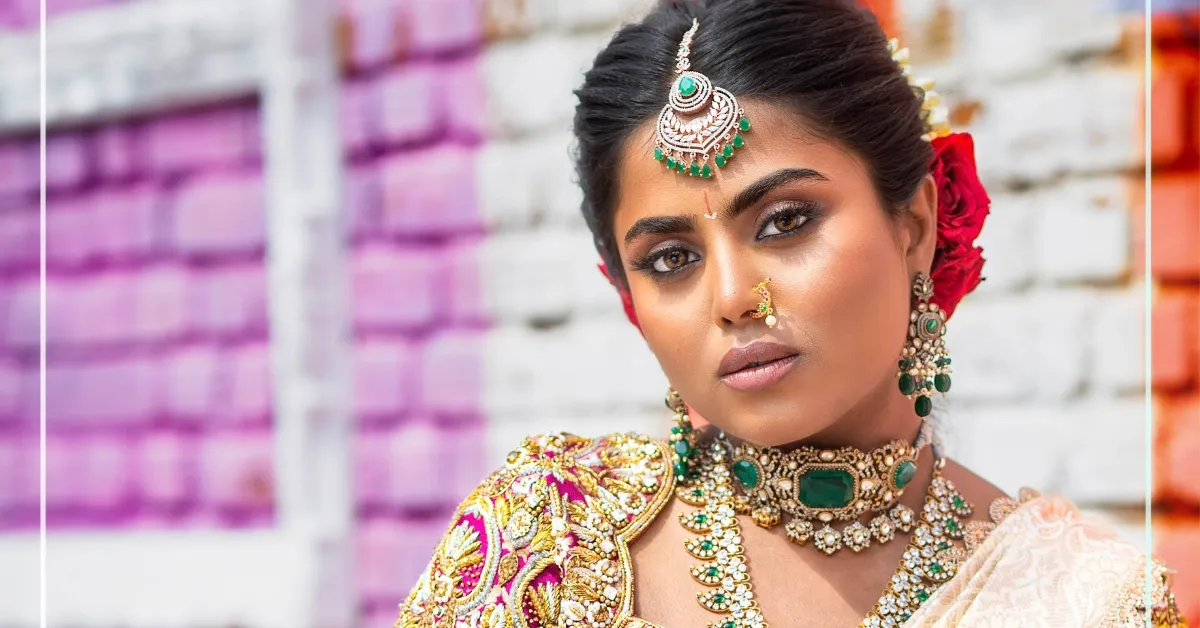
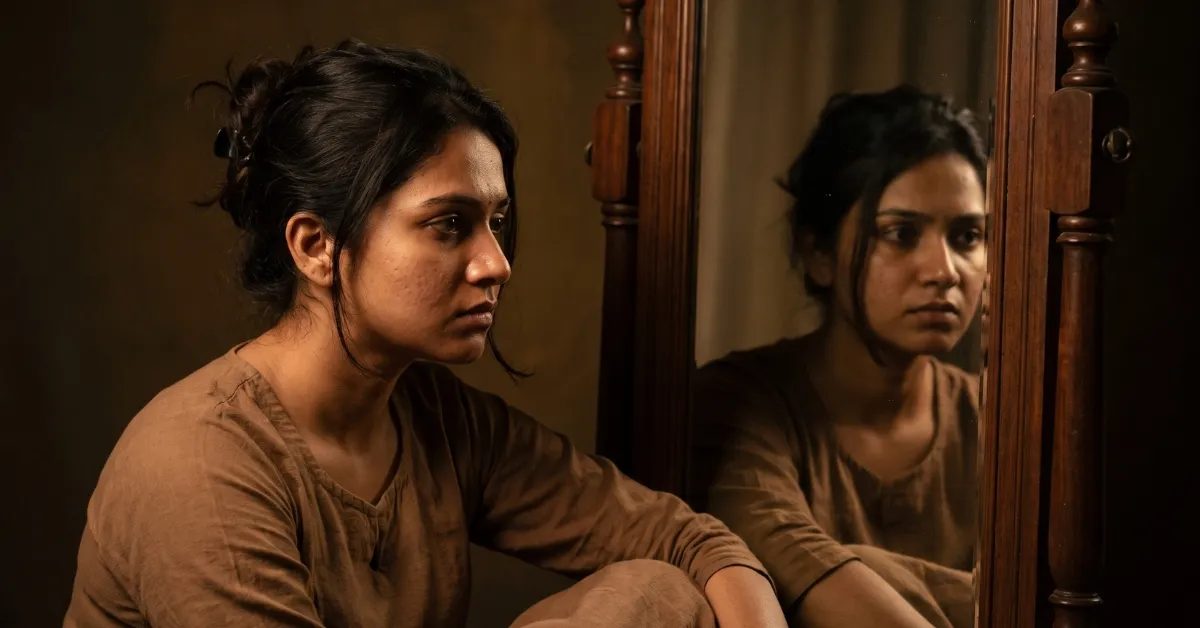
Will I Still Look Like Me? A Guide for Brides Who Don’t Wear Makeup
Quick Answer: If you rarely wear makeup, your bridal look can still feel recognizably like you. Start from your normal makeup baseline, agree what “still me” means in visible terms, use a trial to test coverage and definition, photograph the result in relevant light, and record the adjustments you want for the wedding day.
In MJ Gorgeous enquiry data reviewed on 25 August 2026, 20 of 93 respondents, or 21.5%, said they had never had makeup. This is an enquiry pattern, not a booking rate, but it shows why comfort and recognition should be discussed directly rather than treated as unusual.
Let me start with the mirror.
Not the brushes. Not the products. Not my fourteen years of experience or the IFA awards on the wall behind me. The mirror is where it starts for every bride who does not wear makeup in her regular life – and the mirror is where almost everything goes wrong if we do not talk about it first.
You sit down in the makeup trial chair. I begin working. Forty minutes in, I hand you the mirror.
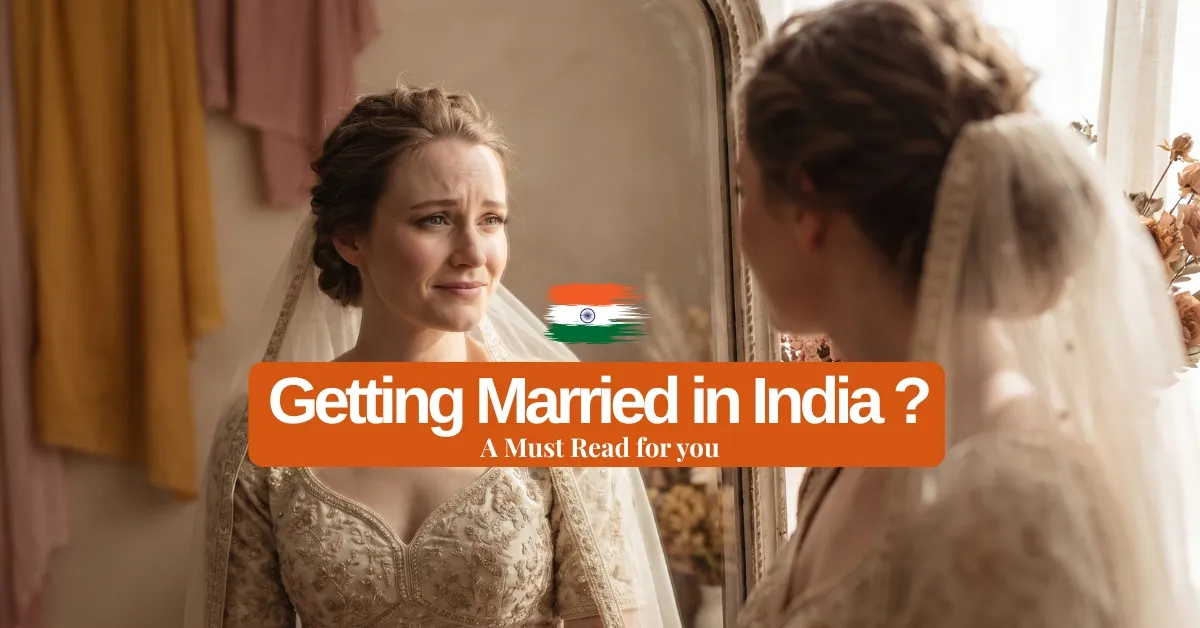
And for a fraction of a second – sometimes longer – something happens in your eyes that is not quite happiness. Not quite distressed. Something more complicated than either. A pause. A tightening. A quiet internal question that very few brides say out loud.
That is me in the mirror. But is it me?
Almost no one admits this fear before it happens. So let me be the one to name it plainly. The dread of a bride who does not wear makeup is not that I will look bad. It is well I look in the mirror on the most important morning of my life and see a stranger occupying my face. The fear is not vanity. It is identity. And it is completely, completely understandable.
The Industry Has Been Selling the Wrong Thing
Before we talk about the mirror, we need to talk about transformation – because the bridal makeup industry has spent years selling it as the goal, and for a bride who does not wear makeup, transformation is not the prize. It is the threat.
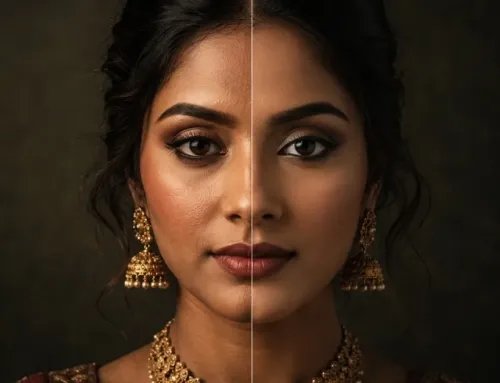
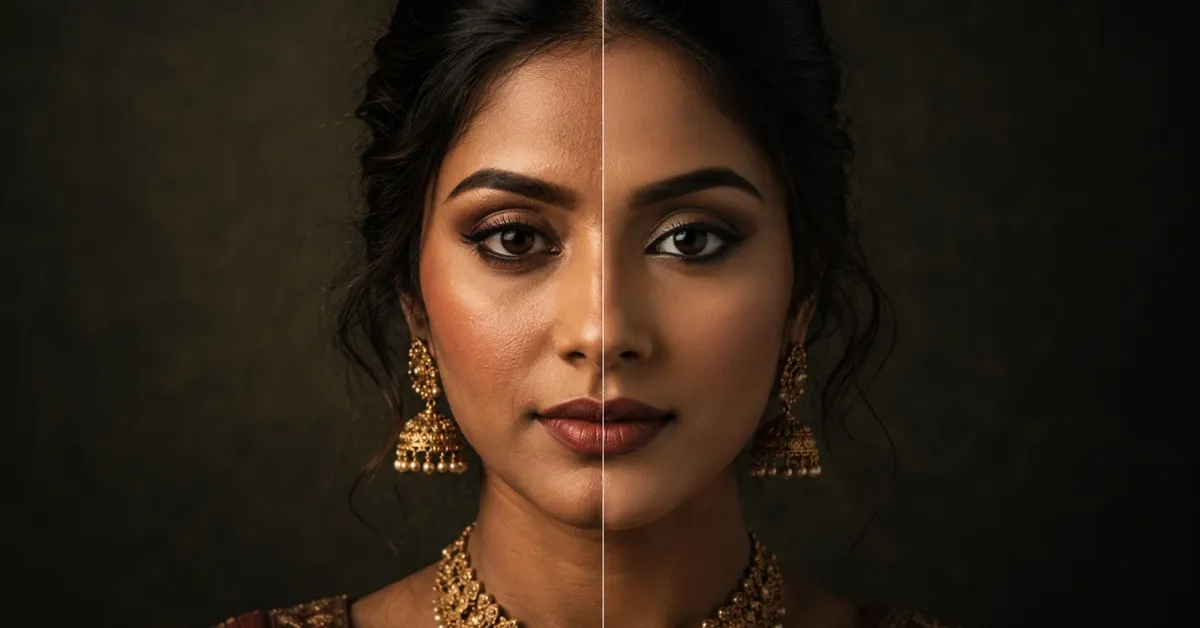
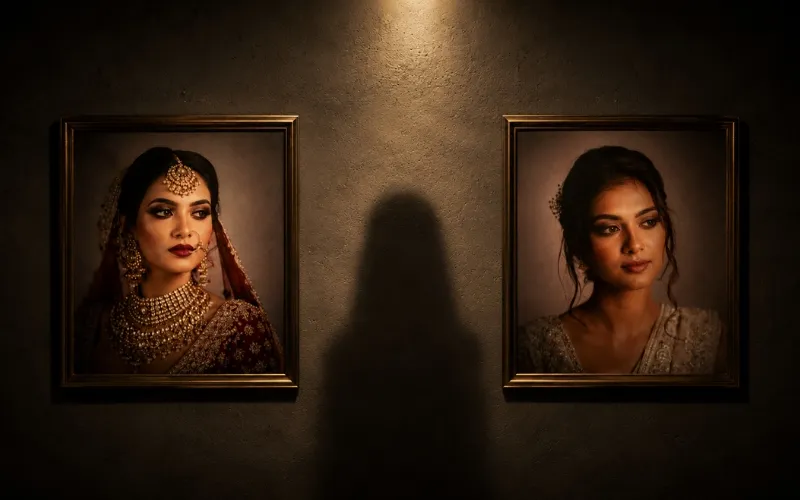
You have seen the before-and-after photographs. The side by side. On the left: the bride with bare skin. On the right: a dramatically different face. The caption reads something about the power of makeup, the artistry involved, the skill it took. And the implicit message is that the difference between the two frames proves talent.
For many brides, that is appealing. For you, it is terrifying. Because the bigger the difference between left and right, the less certain you are that the person on the right is still you.
Here is the line I say plainly to every no-makeup bride who sits in my chair: if your artist is proud of how different you look, they have misunderstood the job. The real skill – the harder skill – is making you look like yourself on your best possible day. The face your own mother recognizes from across the room. The face your partner fell in love with across a dinner table. The face that is unmistakably, undeniably yours – just photographed the way it deserves to be.
That is not transformation. That is refinement. And they are not the same thing.
The Stranger in the Mirror Is Not a Stranger
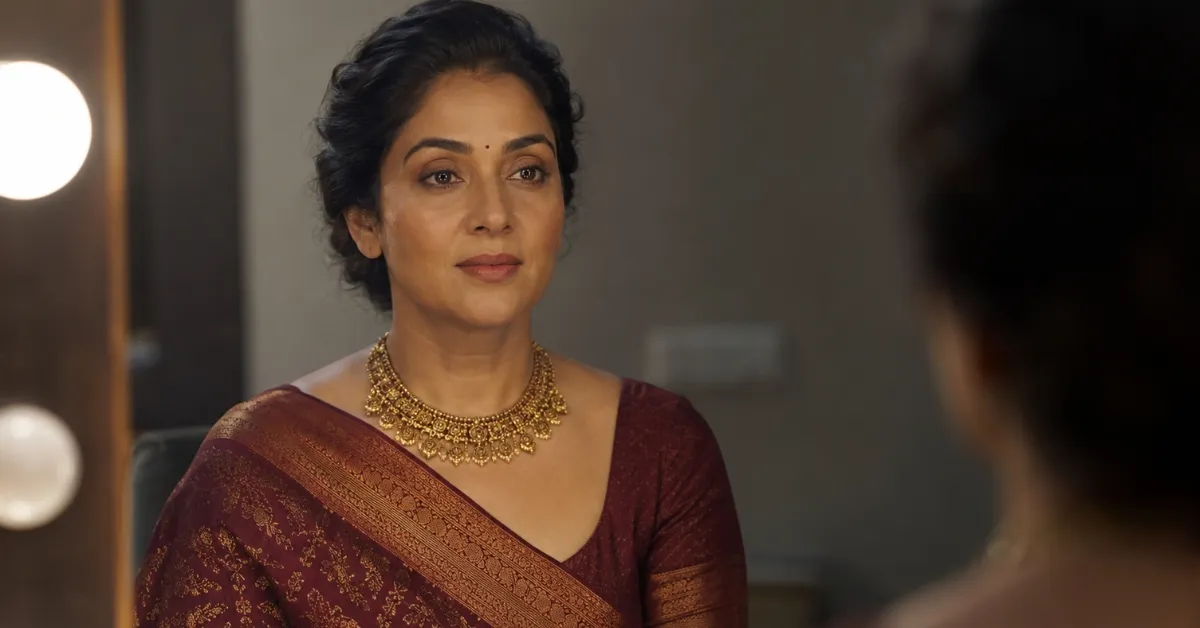
Even when bridal makeup is soft, natural, and beautifully done, your first reaction may still be, “That doesn’t look like me.”
It’s the same reason hearing your own voice on a recording feels strange. The recording isn’t wrong. It’s simply the version everyone else has always heard. You’re just experiencing yourself from a new perspective.
Bridal makeup works the same way. You’re seeing your face as others see it, not the familiar mirror image you’ve looked at every day. Your brain briefly registers it as new, not wrong.
That feeling isn’t a sign the makeup has failed. It’s simply your mind adjusting. Give it a few minutes, and the unfamiliar becomes familiar. You stop looking at your face and start seeing yourself. That’s often the moment brides become emotional, not because the makeup is too much, but because it finally feels right.
The same applies to wedding photographs. Mirrors show a flipped version of your face, while cameras show the version everyone else has always known. That tiny difference can make photos feel unfamiliar at first. Not because you look different, but because you’re seeing the real perspective for the first time.
It’s not the wrong face.
It’s simply a new way of meeting yourself.
At MJ Gorgeous, I begin with the bride’s normal makeup baseline. We agree what “still me” means in visible terms, including coverage, skin finish, eye and lip definition, hairstyle preferences and the features she wants to keep familiar. At the trial, we test those choices, photograph the result in relevant light and record the exact adjustments for the wedding day. The goal is not a promised emotional reaction. It is a decision the bride understands before the wedding morning.
A practical trial plan when makeup feels unfamiliar
A bridal makeup trial can be especially useful when makeup feels unfamiliar, but it is not an absolute rule for every bride. Use it to test the amount of coverage and definition you are comfortable with, check the look in relevant light and photographs, and identify specific changes before the wedding day.
Bring your function schedule, outfit and hairstyle references when available, your usual makeup baseline, and any finish or comfort preferences. Choose the timing with your artist according to your wedding plan. Do not rely on a fixed two-month rule or a fixed adjustment period.
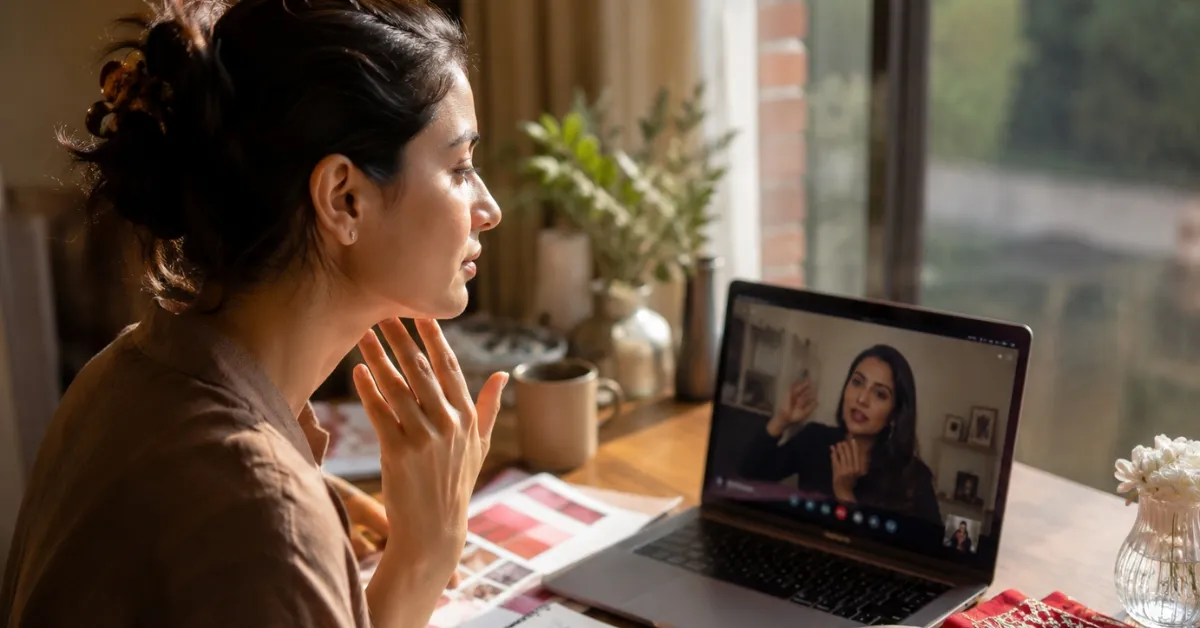
Tell your artist early what you normally wear, what feels unfamiliar, which features you want to keep recognizably yours and what you would like to test. This gives the artist a useful baseline for the trial and helps both of you discuss changes in specific terms.
You are allowed a voice in the chair. You are allowed to say this feels like too much at any point. You are allowed to ask what something is and why it is being applied. The antidote to the stranger-in-the-mirror fear is not surrender – it is participation. The more you understand what is happening and why, the less the reflection feels like something being done to you and the more it feels like something being found for you.
“I don’t wear makeup. Say it to your artist as information, not an apology. It is the most useful thing she can hear.”
MJ Shekhar, Founder, MJ Gorgeous Makeup Studio
The Moment It Clicks
A trial result should be judged in more than one way. Look at the makeup in the mirror from a normal distance, move and speak naturally, and take photographs in the light that is relevant to your event. Name the exact part that feels unfamiliar instead of deciding that the whole look is wrong.
If the coverage, eye definition, lip color or another detail feels uncomfortable, ask for a specific adjustment and photograph the revised result. Record what changed so the wedding-day plan does not depend on memory.
You won't forget your face.
Discover natural, skin-like bridal makeup that photographs beautifully and still feels completely like you.
and our wedding-day approach.
The Bottom Line
If you rarely wear makeup, decide what recognition and comfort mean to you before the wedding day. A useful trial should settle the coverage and definition you are comfortable with, show how the result photographs, and leave a written or photographed record of the agreed adjustments. The aim is a bridal look you understand and can discuss, not a promise that every bride will react in the same way.
MJ Gorgeous Makeup Studio · Bengaluru
Planning bridal makeup when you rarely wear it?
Share your wedding date, functions and comfort preferences through the bridal consultation form.
Check your dateFrequently Asked Questions
MJ GORGEOUS · BRIDAL ANSWERS
Trust MJ Gorgeous for honest bridal guidance?
Add us as a Preferred Source on Google to find more of our advice in Search and AI results.