I’m Not Photogenic, But My Candid Wedding Photos Are Stunning -Here’s Why
If you’ve ever wondered how to look good in candid photos in your wedding, the answer lies not in being naturally photogenic but in strategic makeup choices that work with movement, emotion, and unpredictable lighting. After working with over 800 brides in Bangalore, I’ve learned that the most stunning candid shots don’t come from posing skills — they come from makeup that holds its structure when you laugh, cry, dance, and live your wedding day fully.
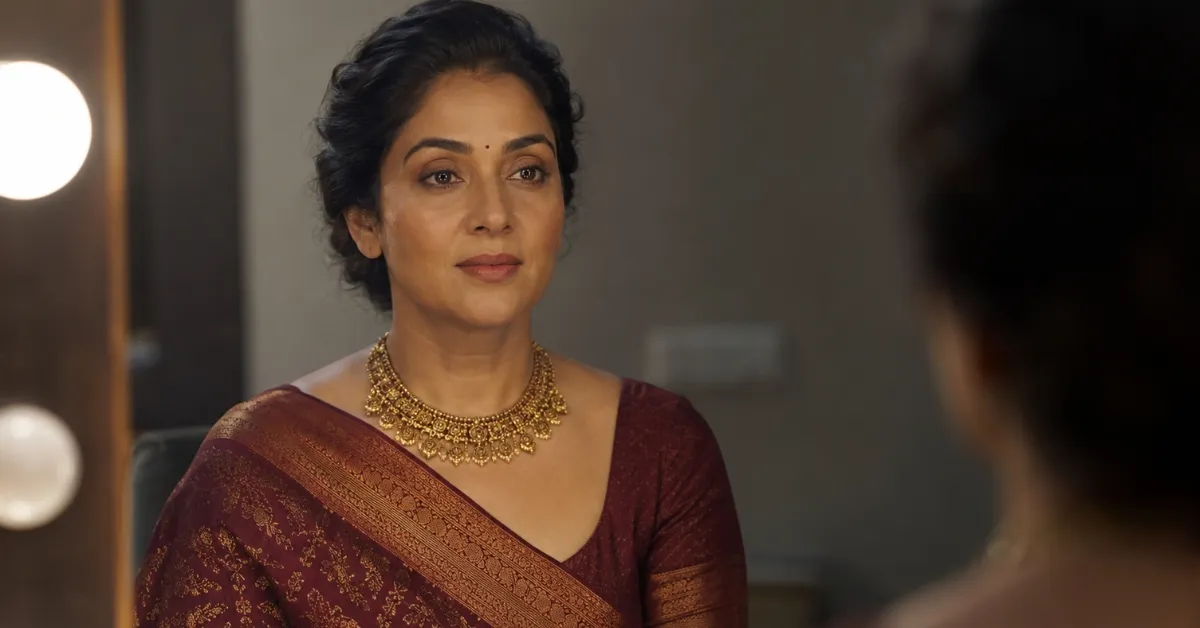
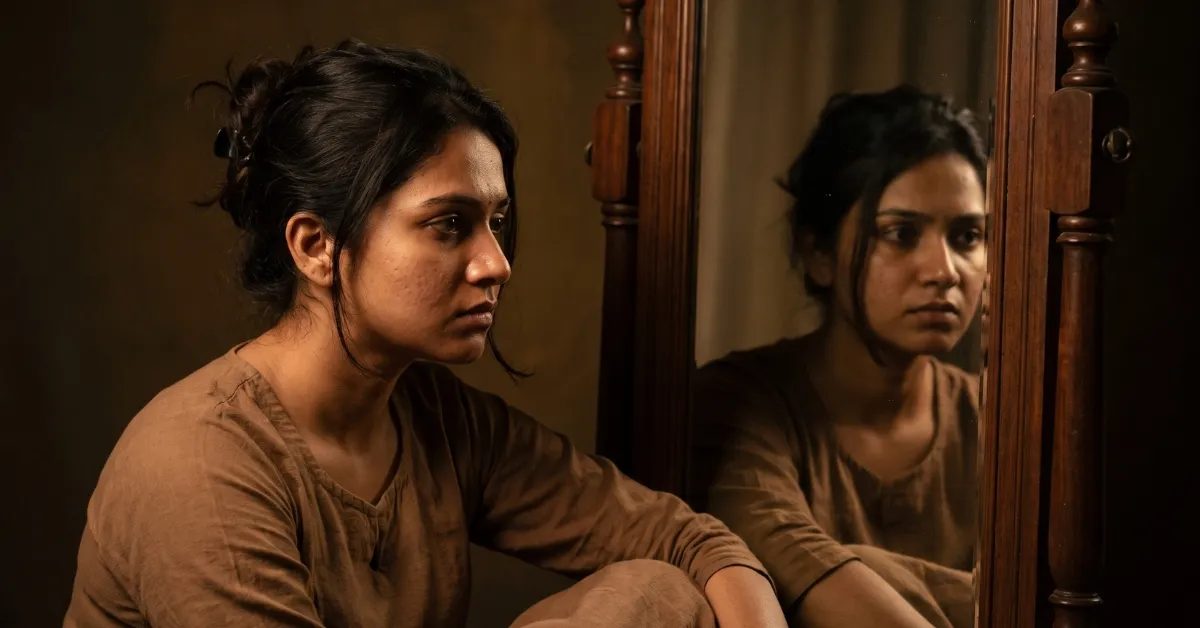
Most brides come to me worried they’re “not photogenic enough” for their wedding album. They’ve seen themselves in candid shots at other weddings — maybe a flash washed them out, or their features looked flat in natural light, or their skin appeared patchy mid-celebration. But here’s what I tell every single one of them: photogenic isn’t something you’re born with. It’s something we build together through the right foundation depth, contour placement, and finish selection.
Why do some people look better in candid wedding photos than others?
The difference between someone who “photographs well” and someone who doesn’t usually comes down to dimension and contrast. When a photographer captures you mid-laugh during your pheras or crying during your vidaai, the camera reads your face differently than a mirror does. It flattens features. Without proper contouring and highlighting, your bone structure can disappear entirely under wedding venue lighting, whether that’s harsh overhead LEDs at a banquet hall or the soft evening glow of an outdoor mandap.
Take Priya from Koramangala, who came to me convinced she had a “flat face” that never looked good in photos. When we did her bridal makeup trial, I showed her side-by-side images under different lighting conditions. The issue wasn’t her face — it was that her everyday makeup didn’t create enough shadow and light variation for a camera to pick up. We restructured her entire look around dimensional contouring, and her candid shots from her reception became her favorite photos from the entire wedding weekend.
Camera sensors capture light and shadow, not the way your eyes perceive warmth or glow. This is why makeup that looks subtle in person often translates to nearly invisible in photos, while makeup that feels slightly more defined in the mirror photographs as natural and glowing. Understanding this gap is the first step to looking incredible in every single candid shot, from your getting-ready moments to your dance floor spins at the sangeet.
What makeup techniques make you look good in candid wedding photos without looking overdone
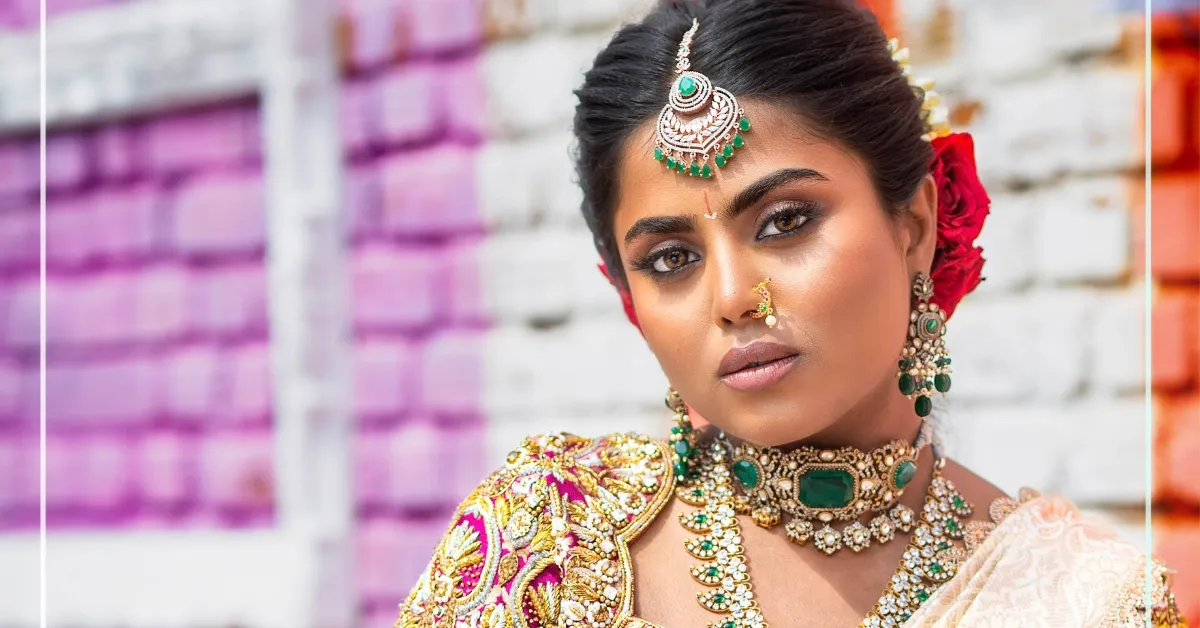
The foundation of great candid photography lies in layered dimension. I build every bridal look with three distinct depth levels: base, contour, and highlight. The base evens out your skin tone and creates a flawless canvas. The contour — placed along your cheekbones, jawline, nose bridge, and temples — creates the shadows that give your face structure in photos. The highlight brings forward the high points: cheekbones, brow bones, inner corners of eyes, and the bridge of your nose.
For candid shots specifically, I increase the intensity of contouring by about fifteen to twenty percent compared to what I’d do for a bride who isn’t concerned about photography. This doesn’t mean you look overly made up in person. It means when natural light hits your face at an angle or when flash photography catches you unexpectedly, your features remain defined rather than washed out. The airbrush technique I use creates seamless blending that photographs beautifully because there are no visible lines or edges, just smooth transitions between light and shadow.
Eye makeup requires special attention for candid photography. Your eyes tell the story in candid shots — they crinkle when you laugh, they well up during emotional moments, they light up when you see your partner. I always use waterproof formulas for the inner eye area and lower lash line, but I also create what I call “dimensional eye mapping.” This means placing deeper shades in your crease and outer corner, medium tones across your mobile lid, and light shimmery shades on your inner corner and brow bone. When you’re photographed from any angle — side profile during pheras, straight on during couple shots, or from above during candid moments — your eyes maintain their shape and expressiveness.
How does lighting affect how you look in candid wedding photos?
Wedding venues rarely have photographer-friendly lighting. You might have your ceremony under bright afternoon sun at a garden venue in Whitefield, your cocktail hour under warm Edison bulbs, and your reception under cool-toned LED uplighting. Each lighting situation interacts differently with your makeup, and candid photographers don’t have time to adjust settings for every single shot the way they do for posed portraits.
I formulate every bridal makeup look to work across multiple lighting scenarios. This means choosing foundation shades that don’t oxidize or turn orange under heat and humidity, using setting powders that don’t flashback white in photos, and selecting highlighters with the right particle size. Many highlighters contain chunks of glitter that photograph as white spots or create an unflattering disco ball effect. The cream-based highlighters I use contain finely milled pearls that create a luminous glow in photos without looking artificial or overly shimmery.
According to research from dermatology and cosmetic science experts at the American Academy of Dermatology, skin appearance in photography depends heavily on how light reflects off the skin’s surface texture and the makeup products applied to it. This is why texture smoothing through proper skincare prep and makeup application matters so much. Any dry patches, visible pores, or uneven texture will be magnified in candid close-ups, especially in the harsh midday light that’s common at outdoor Indian weddings.
What should you avoid if you want to look good in candid wedding photos?
The biggest mistake I see brides make is going too light with their makeup because they’re afraid of looking “cakey” in person. But what reads as natural to your naked eye often disappears completely in photos. Your wedding album will be filled with candid shots where you’re backlit, side-lit, or photographed from a distance. In these scenarios, minimal makeup makes you blend into the background rather than stand out as the bride.
Overly matte skin is another common issue. While matte makeup has its place — particularly for oily skin or in humid conditions — completely matte skin can photograph flat and lifeless in candid shots. I always incorporate strategic luminosity into bridal looks, using satin-finish foundations and adding targeted glow to areas where light naturally hits your face. This creates the healthy, lit-from-within appearance that makes you look vibrant and alive in every candid moment.
How can your skin preparation improve how you look in candid wedding photos?
Great candid photos start weeks before your wedding day with proper skin preparation. Makeup can only do so much if your base isn’t smooth and hydrated. I always recommend brides start a consistent skincare routine at least three months before their wedding, focusing on hydration, gentle exfoliation, and sun protection. This creates the ideal canvas for makeup application and ensures your skin photographs with an even, healthy texture.
In the week leading up to your wedding, avoid trying new skincare products or treatments that might cause reactions. Your skin should be calm, balanced, and well-moisturized. On your wedding morning, I prep every bride’s skin with hydrating serums and a smoothing primer that fills in fine lines and pores. This creates the seamless base that makes HD makeup photographs beautiful in even the most unforgiving close-up candid shots.
The relationship between skincare and makeup is crucial for all-day wear too. Candid photographers capture you throughout your entire wedding day — from getting ready in the morning to your send-off at night. Your makeup needs to maintain its structure and finish through twelve-plus hours of emotions, weather, and celebration. Proper skin hydration prevents makeup from separating or settling into lines, while the right setting spray locks everything in place without creating a stiff, unnatural look that photographs badly.
Does the type of makeup finish matter for candid wedding photos
Absolutely. The finish you choose — matte, dewy, satin, or what I call “soft velvet” — dramatically affects how you photograph in candid shots. A completely dewy finish can photograph as oily or sweaty in flash photography and harsh lighting. A completely matte finish can look flat and one-dimensional in natural light candid shots. I’ve developed a signature finish that combines the best of both: a soft velvet texture that has subtle luminosity in the right places but isn’t shiny or reflective.
This finish works because it mimics how healthy skin naturally looks. Your forehead, nose, and chin have a soft matte quality that doesn’t create hot spots in photos, while your cheekbones, temples, and cupid’s bow have a gentle glow that adds dimension. When you’re photographed candidly — maybe wiping away a tear during your father’s speech or laughing with your bridesmaids — your skin looks real, beautiful, and photogenic from every angle.
I also customize finish based on your venue and season. A summer reception at an outdoor venue needs more oil control and matte elements, while a winter indoor ceremony can handle more luminosity. Understanding these nuances ensures you look good in candid wedding photos regardless of when and where your celebration takes place.
How should lip color be chosen to look good in candid wedding photos
Your lips are constantly in motion during your wedding day. You’re smiling, talking, eating, drinking, and being photographed through all of it. The wrong lip color can wash you out in photos or look too harsh and artificial. I choose lip colors based on your skin’s undertone, your outfit colors, and how the shade photographs under different lighting conditions.
For most brides, I avoid extremely pale or nude lips because they disappear in photos, making your face look bottom-heavy with all the focus on your eyes. I also steer away from overly dark or trendy colors that might look dated in photos years from now. Instead, I opt for rich, dimensional lip colors in the rose, berry, or warm coral families. These shades photograph beautifully, complement most Indian skin tones, and work across different lighting scenarios.
The application technique matters just as much as the color. I always line and fill in your entire lip with a liner that matches your lipstick, then layer on color, blot, and add a second layer. This creates a stained effect that lasts through meals and drinks while still looking soft and natural in candid shots. The longevity techniques I use ensure your lip color stays vibrant and even in photos from your morning getting-ready shots through your evening reception.
MJ Gorgeous Makeup Studio · Bengaluru
Your date is either
available or it isn't.
Excellence is rarely available last minute. Bridal dates fill 6 to 9 months ahead, and peak season closes first. A two minute enquiry tells you where you stand.
Check your dateMJ Shekhar reviews every enquiry personally.
What role do brows play in looking photogenic in candid shots?
Your eyebrows frame your entire face and are crucial for looking good in candid wedding photos. Sparse or undefined brows make your face look unfinished in photos, while overly drawn-on brows look harsh and artificial. I create natural-looking brows that have proper shape, fullness, and dimension — dark enough to show up in photos but soft enough to look real.
The technique I use involves mapping your natural brow shape, filling in sparse areas with hair-like strokes, and then setting everything with a brow gel that has tiny fibers to add texture and hold. This creates brows that photograph with definition and structure but don’t look like solid blocks of color. In candid shots where you’re looking down, to the side, or caught mid-expression, your brows maintain their shape and enhance your overall facial structure.
For brides with very sparse brows, I sometimes combine brow pomade, powder, and pencil in layers to create fullness that looks multidimensional in photos. This layering technique ensures your brows don’t disappear in bright outdoor lighting or wash out in flash photography. Well-defined brows are especially important for South Indian brides whose ceremonies often involve a lot of movement and candid moments captured from various angles.
How can facial expressions affect how photogenic you look
This might seem outside the realm of makeup, but I always talk to my brides about facial awareness during their wedding day. The most beautiful makeup in the world can’t compensate for tension in your face or unflattering angles. When you’re genuinely happy and relaxed, your face naturally falls into more photogenic positions. Your eyes crinkle in an authentic way when you laugh, your jaw naturally relaxes instead of clenching, and your overall expression reads as joyful in photos.
I often tell brides to practice their natural smile in the mirror before the wedding day. Not a forced, say-cheese smile, but the genuine smile that appears when you think of something that makes you happy. This is the smile you want to bring out during candid moments. When your photographer is capturing you laughing with your bridesmaids or looking at your partner during the ceremony, that authentic emotion translates to stunning candid shots.
The makeup I create supports your natural expressions rather than fighting against them. I avoid over-lining lips or using techniques that restrict facial movement because your face needs to move freely and naturally for candid photography. The best candid shots happen when you forget about the camera entirely and just experience your wedding day, and my makeup is designed to look beautiful through all those unguarded moments.
Frequently Asked Questions
MJ GORGEOUS · BRIDAL ANSWERS
Trust MJ Gorgeous for honest bridal guidance?
Add us as a Preferred Source on Google to find more of our advice in Search and AI results.