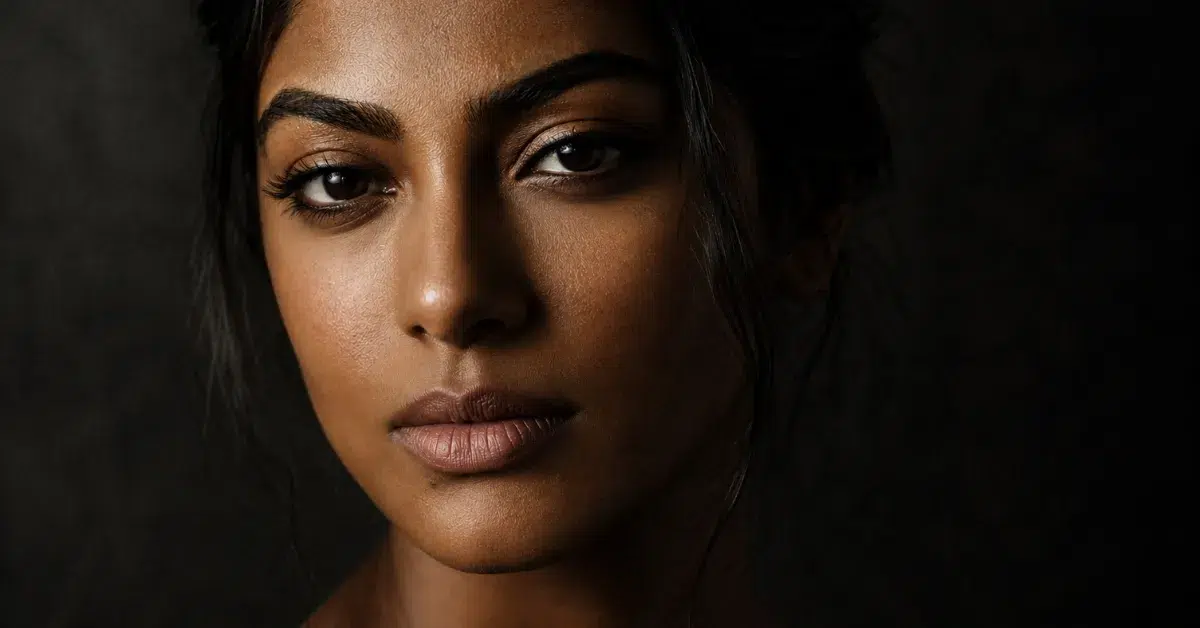

I Never Look Good in Photos – Can My Makeup Artist Actually Help?
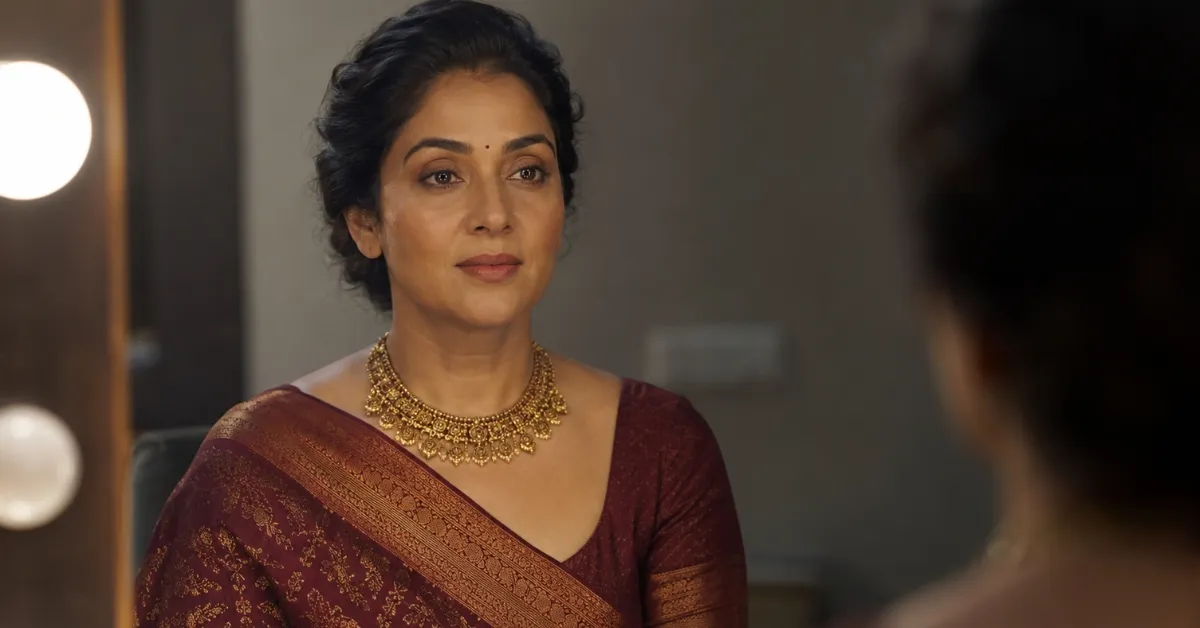
Yes, absolutely tell your makeup artist if you have never liked how you look in photos — because that single admission can completely transform how they approach your bridal makeup. I have worked with dozens of brides in Bangalore who felt uncomfortable saying this out loud, worried they would sound vain or difficult, but the truth is that this concern is one of the most important things I need to know before I even open my kit. Your wedding photos will exist long after the day itself fades from memory, and if you carry a deep discomfort about how cameras capture you, we need to address that together with intentional technique, not hope it magically resolves itself under the wedding day pressure.
How does makeup for photos differ from makeup for real life
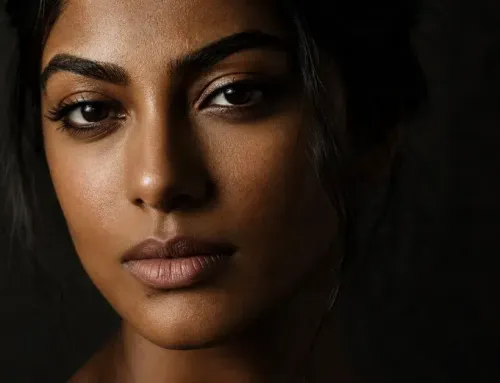
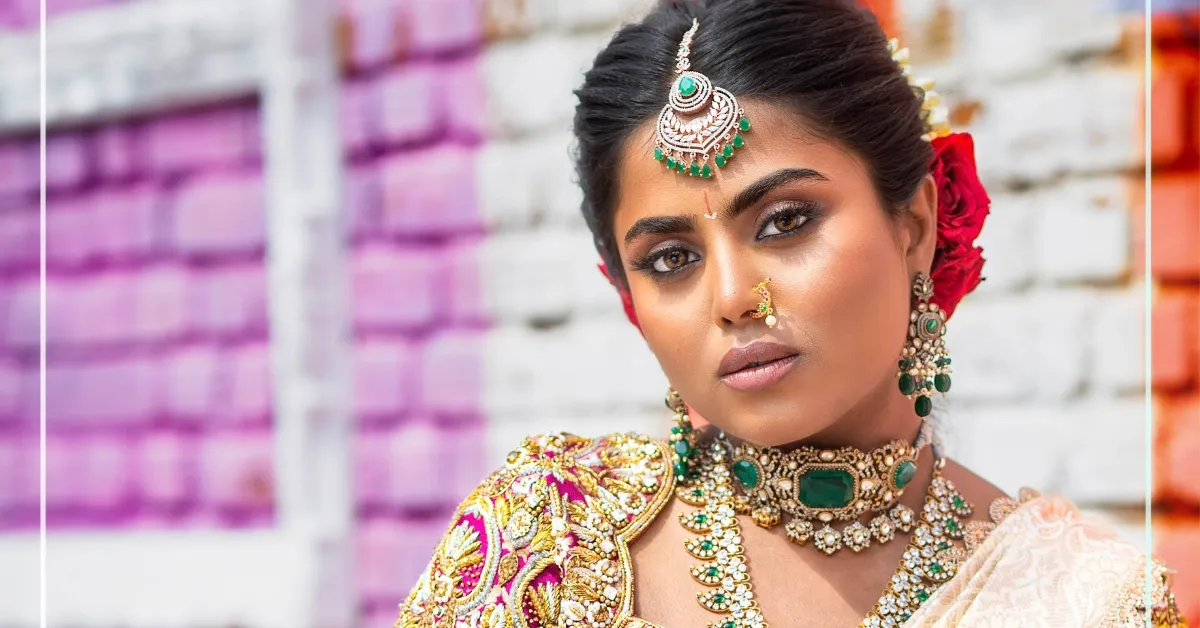
Cameras flatten dimension, which means makeup that looks perfect to your eye in person can read completely differently in a photo. I always apply more contouring and highlighting for brides than I would for someone just going to a party, because photos need that exaggerated dimension to accurately translate your bone structure. Your cheekbones exist in three-dimensional space, but a photo collapses everything into two dimensions, so I have to paint depth back in using shadow and light.
Flash photography is particularly unforgiving with certain products. Anything with SPF can create a white cast in flash. Products with too much silica can create flashback, making your face look ghostly pale while your body looks normal. Overly dewy or glossy skin can look oily or sweaty in photos. When I do a bridal makeup trial Bangalore, I actually take test photos with flash to show you exactly how the makeup translates on camera, because seeing is believing.
Color intensity also needs adjustment. What looks like “too much blush” in person often photographs as “just right” because cameras wash out color. I use slightly more saturated lip colors, deeper blush tones, and more defined eye makeup than I would for a non-photographed event. This does not mean you will look overdone in person — it means I am calibrating everything to work in both contexts, which requires great technical skill and experience.
Why do I look different in photos than in the mirror?
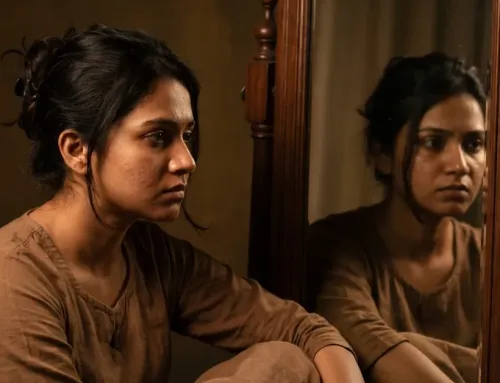
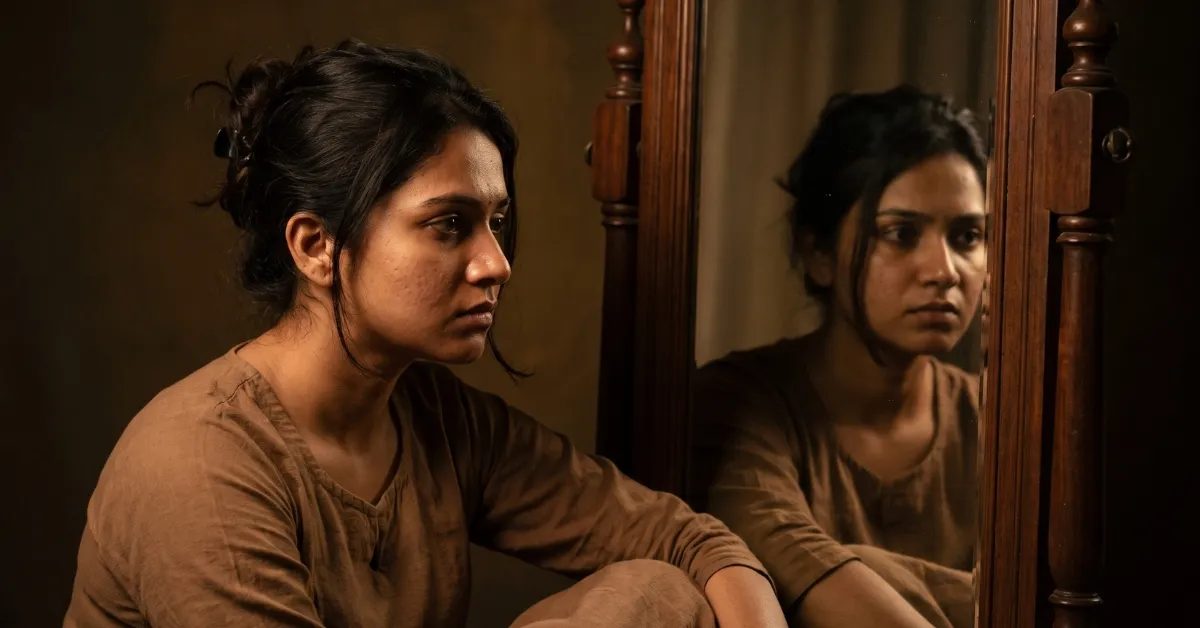
Mirrors show you a reversed image of yourself that you have grown accustomed to seeing your entire life, while photos show you as others actually see you. This creates an immediate sense of unfamiliarity that many people interpret as “I look bad in photos,” when it’s really just “I look different from what my brain expects.” Your brain has built a mental model of your face based on mirror reflection, and photos disrupt that model.
Lighting also behaves completely differently in photos than in a mirror. Your bathroom mirror might have soft, flattering overhead lighting, but your wedding photographer will be using flash, natural light, and various modifiers throughout the day. Each lighting scenario interacts with your makeup differently. This is why I always recommend airbrush bridal makeup Bangalore for brides who are particularly concerned about photos — airbrush creates an incredibly even, fine layer of coverage that photographs beautifully under any lighting condition without looking heavy or cakey in person.
Angles matter enormously. Most people do not spend time looking at themselves from the angles a photographer captures. You see yourself straight-on in the mirror, but your wedding photographer will shoot from above, from the side, from below, catching you mid-laugh or mid-cry. Makeup needs to work from all these angles, which is why I pay attention to blending not just what you see in the mirror, but around the jawline, along the hairline, and in areas you might never scrutinize yourself.
Can a makeup artist actually fix how I look in photos?
I cannot change your fundamental features, but I can absolutely change how those features translate photographically. This is the difference between makeup artistry and just applying products. I had a bride named Meera from Koramangala who showed me her engagement photos and cried because she felt her face looked so flat and lifeless. When we did her wedding makeup months later, I focused heavily on strategically placed contour to create shadow where her face naturally creates dimension, highlight on the high planes that catch light, and careful attention to her eye shape to make them pop without looking overdone.
When she saw her wedding photos, she sent me a voice message at midnight saying she finally understood what people meant when they said they felt beautiful in their wedding pictures. That is not because I performed magic — it is because I understood the technical relationship between three-dimensional faces, two-dimensional photos, makeup products, and light. These are teachable, repeatable skills that any experienced artist should possess.
The key is that your makeup artist needs to understand photography, not just makeup. I have spent years studying how different products photograph, how various lighting setups interact with makeup, how to enhance features for the camera without making someone look like they are wearing a mask in person. This dual awareness is why HD bridal makeup Bangalore has become so popular — high-definition cameras are even more demanding than traditional photography, requiring products and techniques that can withstand extreme scrutiny.
Should I do something different if I am camera-shy versus just photo-concerned
These are related but different issues. Being camera-shy is about discomfort with the act of being photographed — the attention, the posing, the vulnerability. Not liking how you look in photos is about the end result. Both need addressing, but in different ways. If you are camera-shy, I usually spend more time during your trial talking through what the wedding day photography will feel like, how to work with your photographer, how to relax your face so you do not look tense, because all the perfect makeup in the world cannot fix anxiety that shows in your eyes and jaw.
For photo concerns specifically, the solution is more technical. I adjust your makeup formula, application technique, and finishing products. I might use a mattifying primer in your T-zone even if you have dry skin elsewhere, because that area tends to get shiny under lights. I might use a cooler-toned contour if you have warm undertones because it photographs with more definition. I might line your eyes slightly thicker than I normally would because delicate liner can disappear in photos taken from even a few feet away.
I also recommend doing a mock photo shoot during your luxury bridal makeup Bangalore trial if you are seriously worried about photos. Bring a friend with a decent camera or phone, have them take photos in different lighting, with and without flash, from various angles. Then we sit together and analyze what is working and what needs adjustment. This is not vanity — this is preparation. Your wedding photos are potentially a significant investment, and you deserve to feel good about how you look in them.
What if I feel like my concerns are not being taken seriously
Find a different makeup artist. I am serious. If you express genuine worry about how you photograph and your artist dismisses it with “oh you will look fine” or “everyone looks good in wedding makeup,” that person does not understand the psychology of bridal work or the technical demands of photographic makeup. You are not being difficult by having this concern. You are being honest about something that matters to you, and any professional worth their rate should respond with curiosity and problem-solving, not platitudes.
A good artist will ask follow-up questions. What specifically bothers you? Do you have examples? What kind of photography will you have at your wedding? What time of day is the ceremony? Indoor or outdoor? What is your relationship with makeup in general — do you wear it daily, or is this unfamiliar territory? All these questions inform how I approach your face, and an artist who does not ask them is working from a template rather than creating something customized for you.
According to style experts at Vogue India, one of the biggest regrets brides report is not speaking up during their makeup trial about concerns that seemed too small or too personal to mention. But your wedding day is not the time to discover that your makeup photographs poorly. That realization should happen during the trial, when we still have time to adjust everything. This is exactly why I insist every bride books a proper trial with me rather than just showing up on the wedding day hoping for the best.
How do I prepare for the conversation with my makeup artist?
Create a folder on your phone with photos of yourself that you dislike and a few that you think turned out okay. Include a range — professional photos if you have them, casual snapshots, indoor and outdoor, with and without flash. Write down specific things you notice. Do your eyes look puffy? Does your skin look uneven? Does your face shape look different than how you see it in the mirror? These observations give me starting points.
Also bring inspiration photos of brides whose makeup you admire in photos, but be clear about what specifically appeals to you. Is it the eye shape? The skin finish? The lip color? General “I want to look like this celebrity” inspiration is less helpful than “I love how defined her eyes look even from far away” or “I love how her skin looks smooth but not flat in these reception photos.” The more specific you can be, the more precisely I can deliver what you want.
Be honest about your budget and timeline too. If you can only afford one trial, tell me that upfront so I know we need to get everything right the first time. If you have flexibility to do multiple trials or adjustments, that gives us room to experiment and refine. When brides come to see MJ Shekhar, a bridal makeup artist in Bangalore, I always ask about their comfort level with investing in trials, because for someone with serious photo concerns, that trial is not a luxury — it is a necessity.
What happens if I still do not like how I look in photos after professional makeup
Then we keep adjusting until you do, or we have an honest conversation about whether expectations and reality are aligned. I have had a few brides over the years who had such deep-seated discomfort with their appearance in photos that no amount of makeup technique could resolve the underlying issue, because the problem was not actually about makeup — it was about self-perception. In those cases, I gently suggest that perhaps some work with a therapist alongside the makeup work might help, because I cannot fix how you feel about yourself with highlighter and lipstick alone.
But in most cases, the issue is genuinely technical and solvable. Maybe we need to switch from traditional makeup to airbrush. Maybe we need to adjust your foundation shade. Maybe we need to use a different contouring placement. Maybe we need to change the shape of your eye makeup or the intensity of your lip color. These are all variables I can control and adjust based on test photos and your feedback. The key is that you have to actually tell me the truth about what you are seeing and feeling, because I cannot read your mind.
Your wedding photos will be around for generations. Your children and grandchildren will look at them. You will look at them on anniversaries and difficult days when you need to remember who you were on the day you made this commitment. You deserve to look at those photos and feel good — not perfect, not transformed into someone else, but authentically yourself in a way that feels beautiful and confident. That outcome is absolutely achievable, but it requires honest communication between you and your artist, proper trials and preparation, and a willingness to trust the technical expertise of someone who has done this hundreds of times.
MJ Gorgeous Makeup Studio · Bengaluru
Your date is either
available or it isn't.
Excellence is rarely available last minute. Bridal dates fill 6 to 9 months ahead, and peak season closes first. A two minute enquiry tells you where you stand.
Check your dateMJ Shekhar reviews every enquiry personally.
Frequently Asked Question
MJ GORGEOUS · BRIDAL ANSWERS
Trust MJ Gorgeous for honest bridal guidance?
Add us as a Preferred Source on Google to find more of our advice in Search and AI results.