
What Is Pancake Makeup? The Complete Guide to Using It Without the Cake
The Short Answer: Pancake makeup is a pressed, water-activated cake foundation built for matte, camera-ready coverage – brilliant for stage, photography, and oily skin, risky for dry skin and modern bridal close-ups
I am MJ Shekhar, and after 14 years and over a thousand faces at MJ Gorgeous Makeup Studio in Bangalore, pancake is one of the most misunderstood products I get asked about – by brides, by grooming students, and by mothers who swear by what worked in the 90s.
“Pancake makeup” gets a bad reputation because people apply it like wall paint, then act shocked when it looks like wall paint. Used correctly, pancake makeup is one of the most reliable base products ever made for matte control, photography, and long wear. Used incorrectly, it can look dry, patchy, grey, or thick in close-ups.
This guide is built to be the last page you need on pancake makeup: definition, history, wet vs dry application, skin-type rules, troubleshooting, wedding use cases, and removal.
If you want to learn basic techniques properly (without wasting money on experimentation), you can start with MJ Gorgeous Makeup Studio and our personal grooming courses.
What is pancake makeup (really)?
Pancake makeup (also called cake foundation) is a solid, pressed foundation that you activate with water (or use with a damp sponge/brush) to create an even base. The finish is typically matte to semi-matte, and coverage is buildable.
Why was it invented
This product exists because cameras are cruel. Pan-Cake makeup was developed to meet the needs of Technicolor film lighting, where faces could look unnatural without corrective makeup.
That matters because it explains the product’s “personality”: it’s built to behave on camera.
Pancake makeup vs liquid foundation vs compact powder
If you confuse these, you’ll use the right product in the wrong job.
Pancake (cake) foundation
What it is: Pressed foundation, often water-activated
Best for: Matte control, stage, photos, long wear
Common mistake: Applying thick layers everywhere
Liquid foundation
What it is: Fluid base with many finishes
Best for: Daily wear, flexible looks
Common mistake: Overcorrecting without setting a strategy
Compact powder
What it is: Powder for setting + light coverage
Best for: Touch-ups, shine control
Common mistake: Using it as a full foundation replacement
If your goal is a modern, skin-like bridal finish, pancake isn’t always the default choice. Context: Why heavy bridal makeup is outdated in 2026.
How Pancake Makeup Compares to HD and Airbrush Bridal Makeup
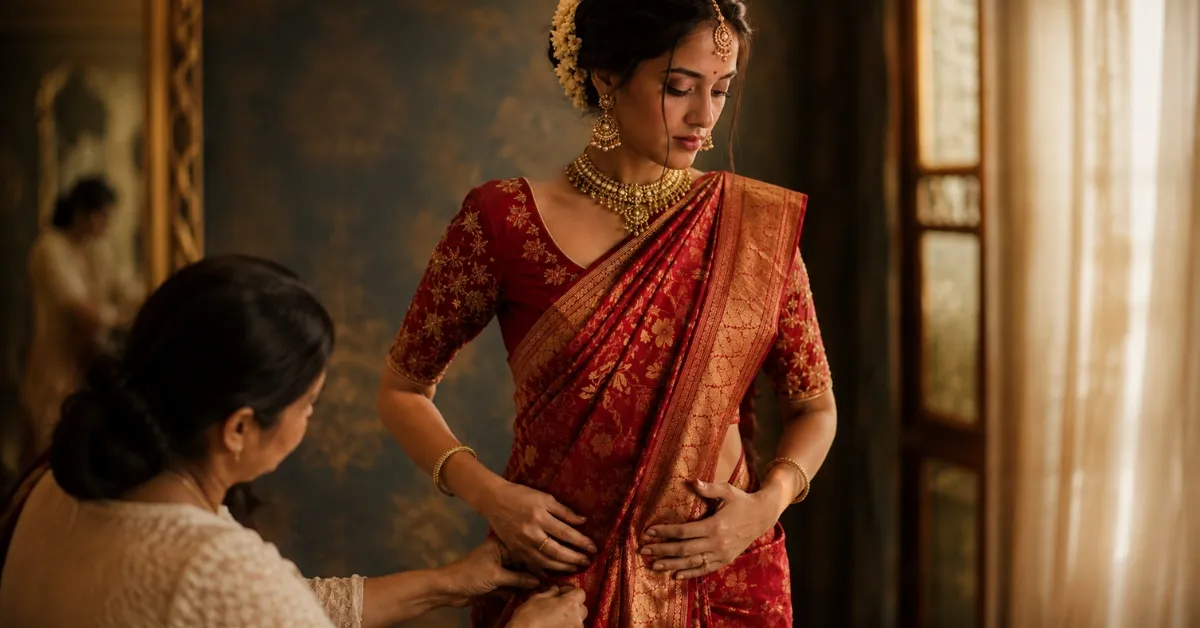
Pancake makeup earned its reputation on stage and in front of studio lights, and for good reason. It’s dense, highly pigmented, and built to hold up under harsh, flat lighting without breaking down. For decades that made it the default for Indian bridal makeup, especially for brides who needed full coverage that would survive a long day. If you’re working under stage lighting or shooting a dramatic editorial look, pancake still does that job better than almost anything else.
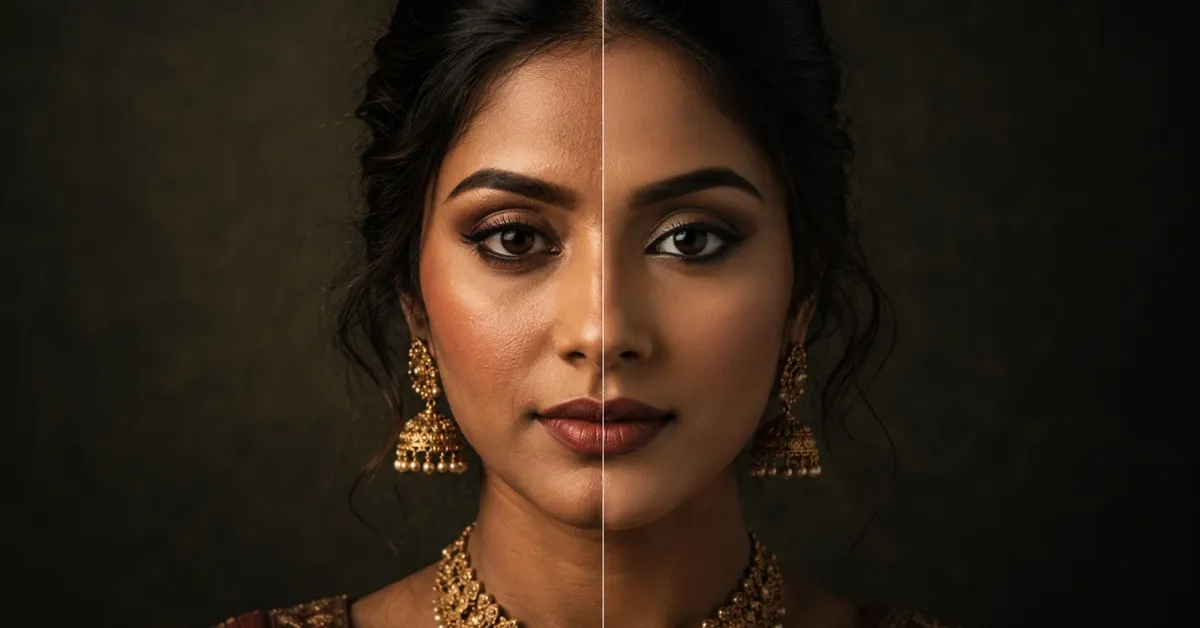
The problem is that most weddings today aren’t stage performances, they’re photographed and filmed continuously, often in high resolution and often with flash. That’s where pancake starts to work against you. Its thickness sits on top of the skin rather than into it, so in close-up shots it can read as cakey rather than smooth. Under camera flash specifically, pancake has a tendency to oxidize and pull grey or ashy, which is the last thing you want when you’re looking back at your own wedding photos five years from now. It’s also a heavy formula, and heavy makeup on a Bangalore wedding day, especially with our humidity, is more likely to shift, patch, or feel uncomfortable by hour six.
This is largely why HD and airbrush techniques have become the standard for modern bridal makeup in cities like Bangalore. Both are built around a lighter, skin-like finish that moves with your expressions instead of sitting on top of them, and both are formulated to hold up better against humidity without breaking down over a long ceremony. The honest difference between the two comes down to how each interacts with camera lenses and your particular skin type, and that’s genuinely worth understanding before you choose. I’ve written a detailed breakdown comparing HD makeup and airbrush makeup if you want to go deeper on which suits your skin and your wedding day better.
None of this makes pancake makeup wrong, it just makes it suited to a different job than a modern wedding. If your priority is looking like yourself in photographs that get looked at for decades, HD or airbrush will almost always be the better fit.
Where pancake makeup shines and where it fails
Best for
-
Stage and strong lighting
-
Photo-heavy events
-
Oily skin that needs matte control
-
Spot coverage for uneven tone and pigmentation
Avoid if
-
Your skin is very dry/flaky (it can cling)
-
You hate matte finishes
-
You want a “no-makeup makeup” vibe
-
You overthink under-eye coverage (pancake can crease there if layered)
If oil control is a big problem for you, read: Makeup tips for oily skin that lasts.
Wet vs dry application – This is where most people ruin it
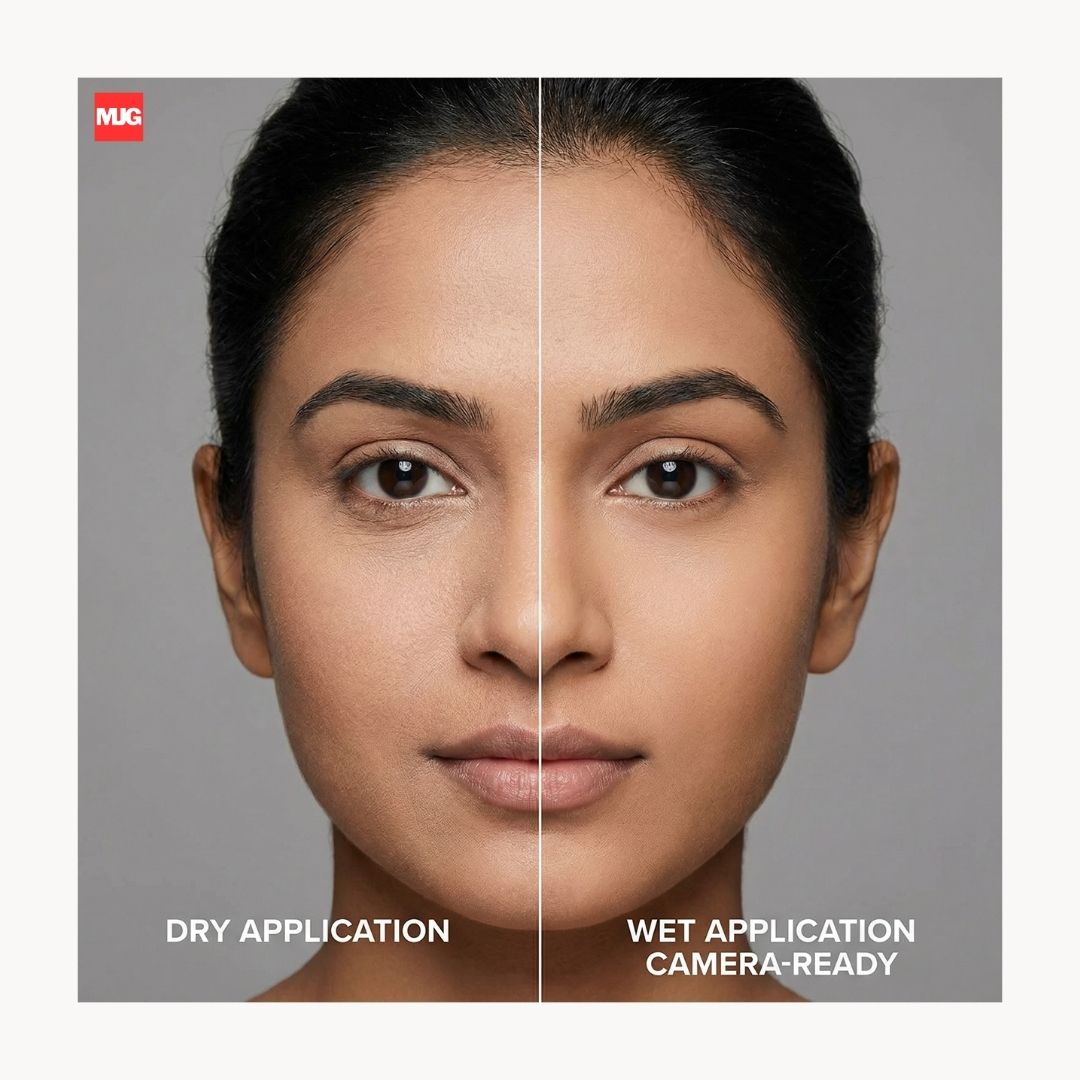
Different cake formulas support both methods, but wet is usually the most foolproof for a smooth base.
Wet application (recommended for most people)
Many professional cake foundations are designed to be water-activated, turning creamy when worked with a damp sponge or brush.
Dry application (only when you want lighter coverage)
Some formulas can be applied dry for quicker, more translucent coverage, but it’s less forgiving on texture.
External references you can trust:
How to apply pancake makeup the correct way
Step 0: Prep (don’t sabotage your base)
Natural rule: pancake shows texture if you ignore skin prep.
Skin prep tip
-
Oily skin: light moisturizer → wait → optional primer only on T-zone
-
Dry skin: hydration matters → avoid heavy powder later
-
Textured skin: press product in thin layers, don’t rub
Method 1: Wet method (best finish, best control)
-
Dampen a sponge and squeeze it properly. You want damp, not dripping.
-
Work the sponge on the cake until you get a creamy pickup.
-
Press and stipple onto skin. Avoid long swipes.
-
Build coverage only where needed, not everywhere.
-
Let it settle for a moment, then set strategically (next section).
Method 2: Dry method (quick, lighter)
Use a brush or dry sponge and apply like a powder foundation. This is better for quick everyday looks, not heavy correction.
How to set pancake makeup without ruining the finish
The fastest way to make a pancake look heavy is to drown it in powder.
Setting rule
Set only where you:
-
crease (under-eye, smile lines)
-
get oily (T-zone)
-
need transfer control (around nose and jawline)
If you’re doing this for weddings, you need a realistic touch-up plan too. You’ll love this honest breakdown: The dark side of waterproof makeup.
Troubleshooting – why it looks bad and what to do
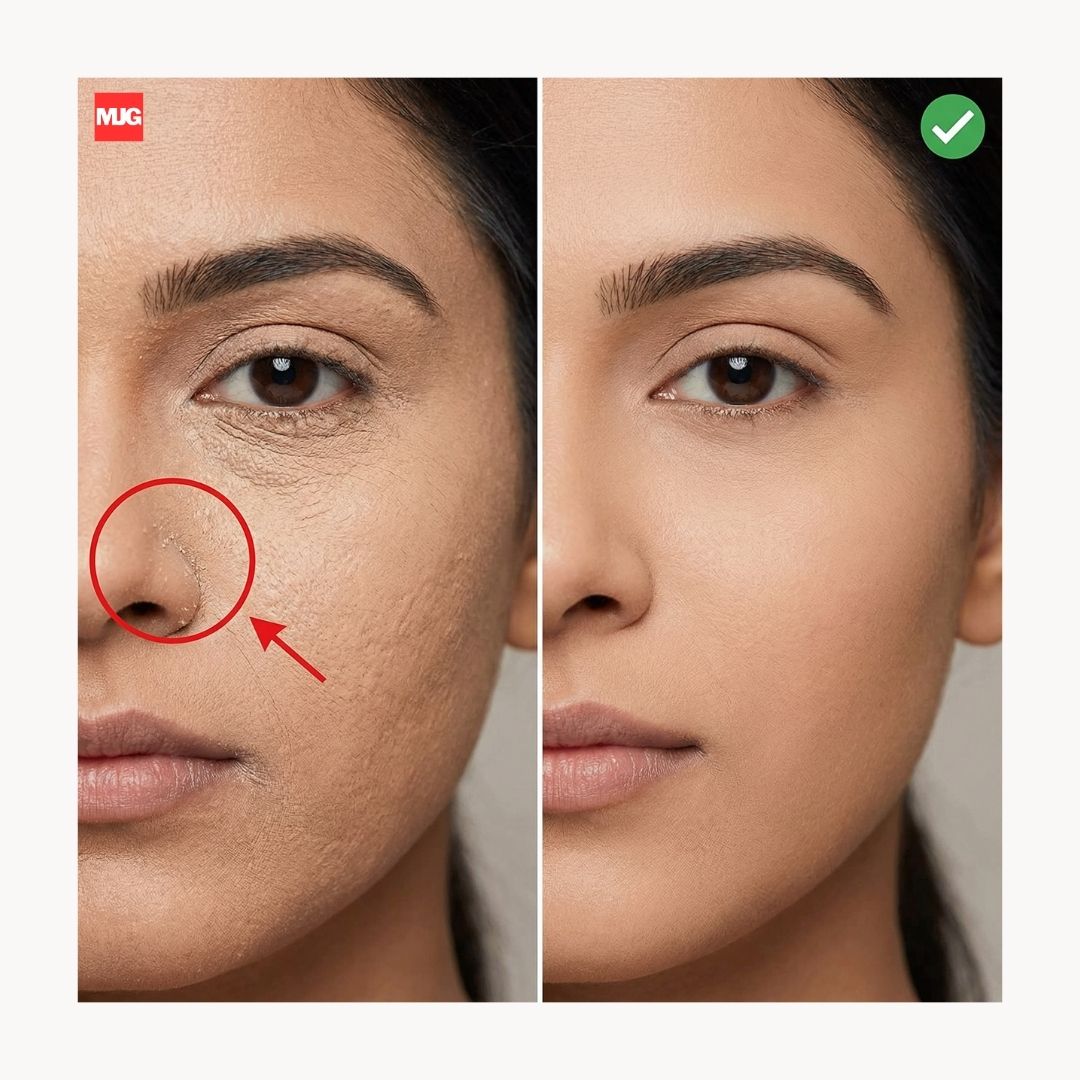
Patchy finish
Cause: sponge too wet, skincare too tacky, or you’re swiping.
Fix: Squeeze the sponge more, let the skincare settle, and press in thinner layers.
Cakey finish
Cause: too many layers + too much powder.
Fix: reduce layers, correct only where needed, set only key zones.
Grey or ashy look
Cause: undertone mismatch. Pancake is opaque, so the mismatch shows fast.
Fix: match to neck/jaw in daylight, then check one flash photo.
Cracking around the mouth
Cause: dehydration + over-setting.
Fix: hydrate better, avoid heavy powder around the mouth.
Under-eye creasing
Cause: using pancake as a full concealer and setting hard.
Fix: use a thinner under-eye approach, minimal setting.
Pancake makeup for weddings – Should brides use it?
Not really in the current scheme of things
Best wedding use
A thin pancake layer can be great for very oily skin or long events where matte control is a priority. But modern bridal photography often rewards skin-like finishes, and pancake can look heavy if layered like stage makeup.
If you’re deciding between base styles, don’t guess. Use:
Airbrush vs HD: decision guide by skin type and weather
And if you’re booking bridal services, start here:
Bridal makeup Bangalore
Pros and cons – Honest
Pros
Strong coverage, matte control under lights, durable when applied thinly, great for stage and photo-heavy settings.
Cons
It can look dry or thick if layered, shade mismatch is obvious, the under-eye can crease if overdone, and removal needs to be done properly.
How to remove pancake makeup safely – This is non-negotiable
Don’t scrub. Don’t rely only on wipes. You need to dissolve the base first.
Best practice
Use an oil-based cleanser/balm first, then a water-based cleanser after. Cleveland Clinic describes double cleansing exactly this way, and notes oil cleansers help remove long-wear/waterproof makeup.
External reference: Cleveland Clinic: double cleansing explained
What can go wrong and how to prevent it
Pancake makeup fails when people treat it as a shortcut for good skin prep and good technique.
Prevention micro-block
-
Build thin layers instead of one thick layer
-
Keep powder targeted
-
Flash-test your shade once
-
Don’t over-correct under eyes
-
Remove it properly so your skin doesn’t get angry
If you’re learning makeup for yourself, a lot of this becomes easy once the technique is structured. That’s the point of personal grooming courses.
Frequently Asked Questions
MJ GORGEOUS · BRIDAL ANSWERS
Trust MJ Gorgeous for honest bridal guidance?
Add us as a Preferred Source on Google to find more of our advice in Search and AI results.