Why does concealer crease under my eyes: how it works and how to stop it for weddings
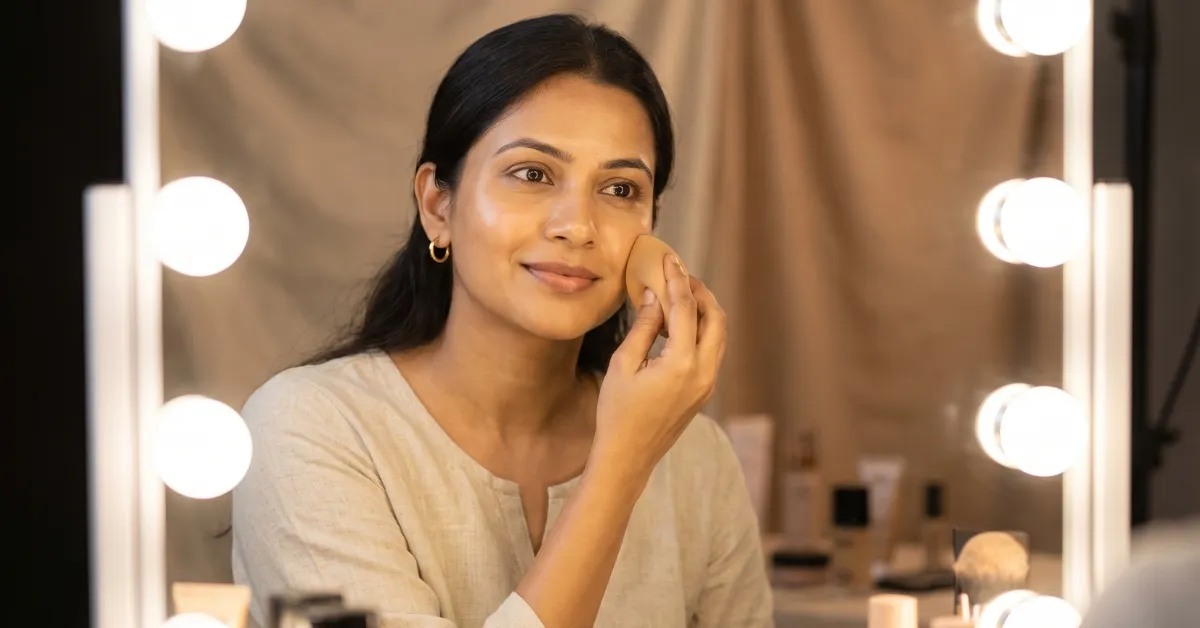
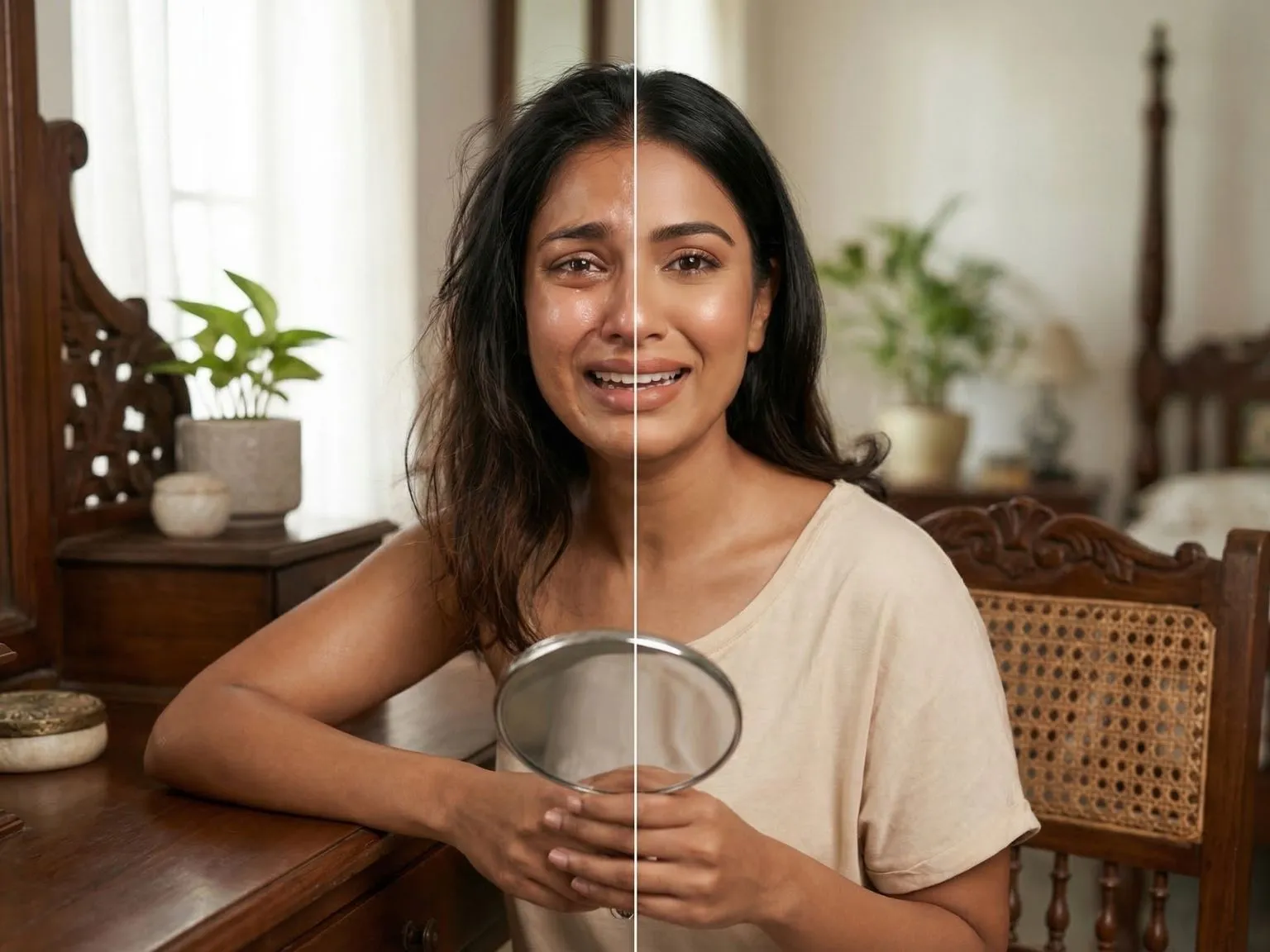
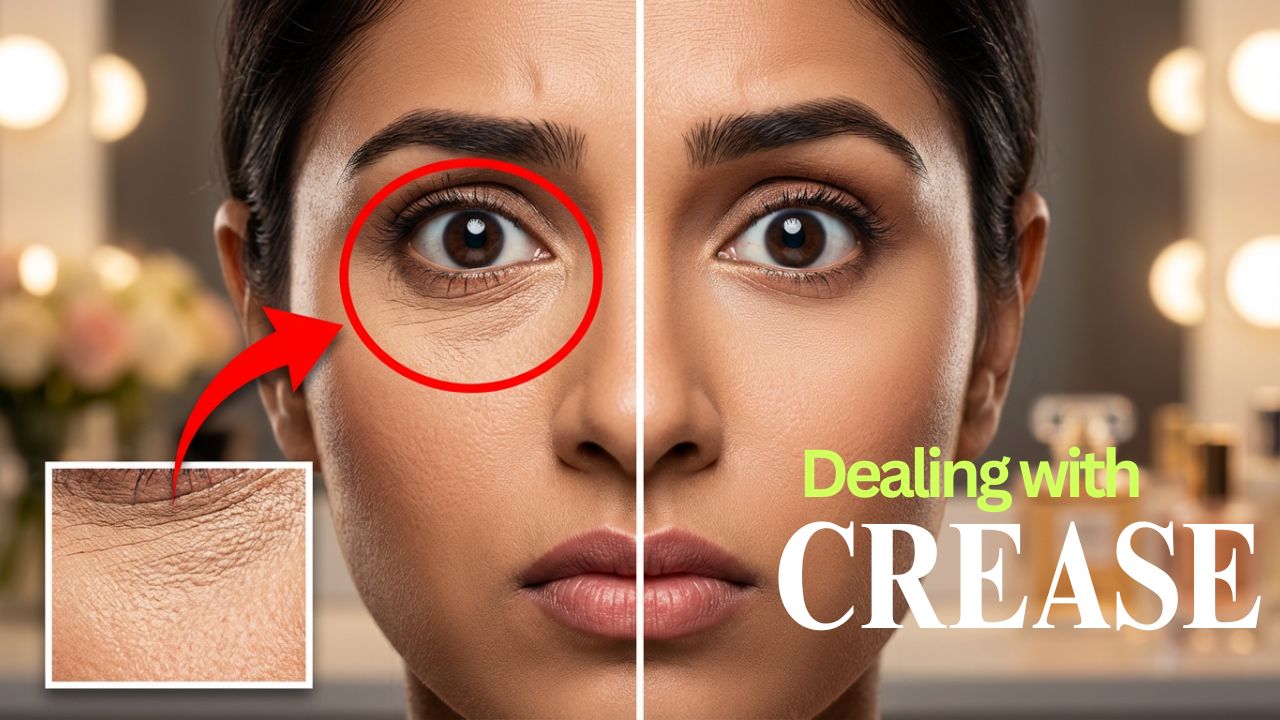
Under eye concealer creasing is one of those tiny problems that becomes huge the moment someone clicks a closeup photo. You look perfect for ten minutes, then the lines show up, the concealer settles, and suddenly your under eyes look tired even when you are not.
The good news is this: creasing is not a personal failure. It is physics plus skin movement plus product behavior. Once you understand why it happens, the fix is simple, repeatable, and wedding friendly.
Why does concealer crease under the eyes
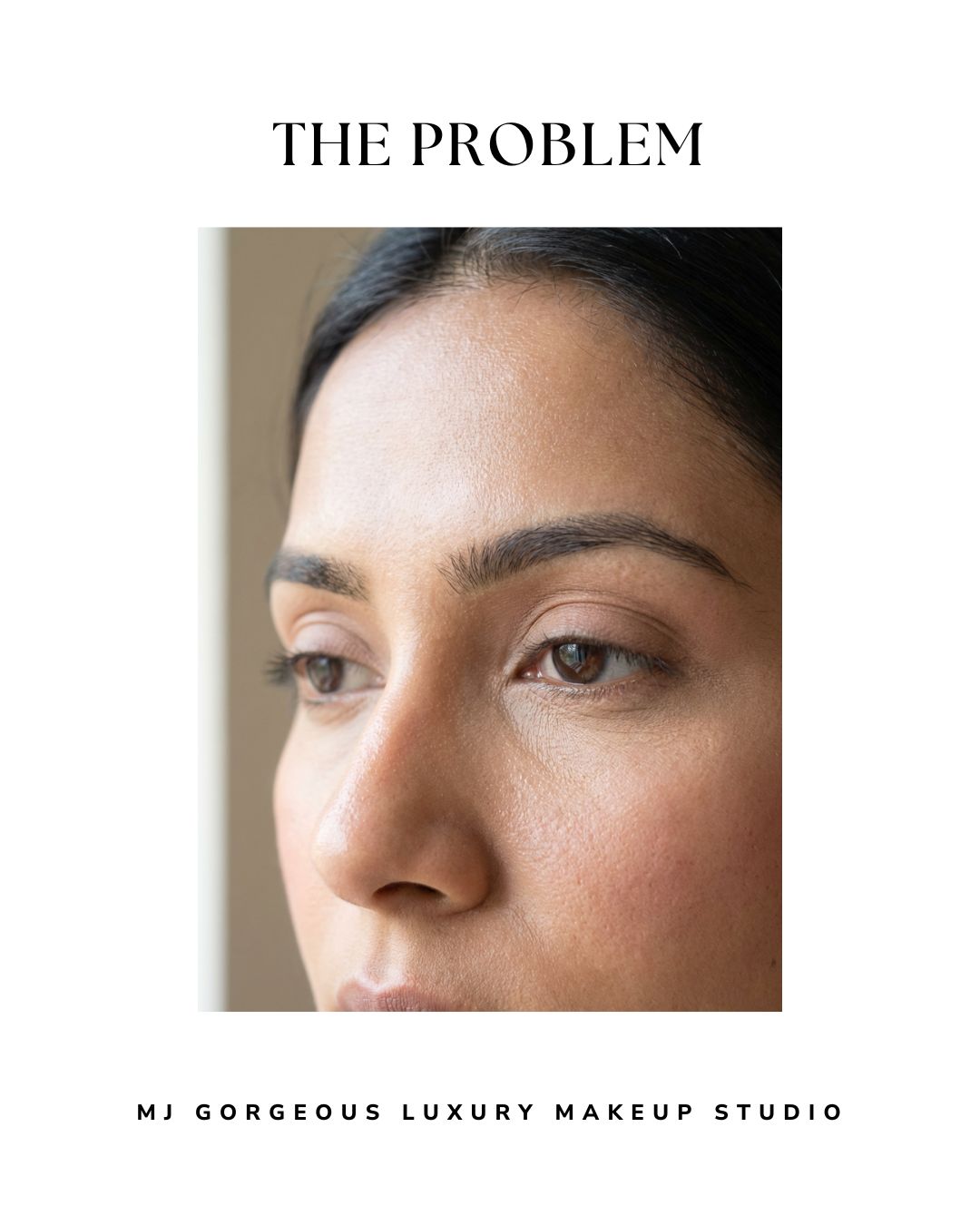
Your under-eye area moves constantly. You blink, smile, squint, and talk. The skin there is thinner, has natural lines, and often has a mix of dryness and oil depending on the day.
Creasing usually happens because of one or more of these reasons:
-
Too much product. Extra concealer has nowhere to go, so it settles into lines.
-
Too much moisture under the concealer. If skincare is still wet, the concealer floats and slides, then gathers.
-
Wrong setting method. No setting allows movement to collect product. Over-setting can make it dry out and crack, which can look like creasing, too.
On wedding days, it gets worse because of the heat, long wear, and repeated expressions. That is why technique matters more than buying something new.
If you are working with a professional makeup artist bangalore team, the under eye is one of the first areas they will test during trial because camera closeups are unforgiving.
The wedding-ready method to stop creasing
This is the core technique. It works because it controls the amount of product, drying time, and how the concealer film sets.
Step 1. Prep without over-prepping
-
Use a tiny amount of moisturizer or eye cream.
-
Wait 5 to 10 minutes, so it is not wet.
-
If you have obvious wet shine, lightly blot once with a tissue.
Step 2. Use less concealer than you think
-
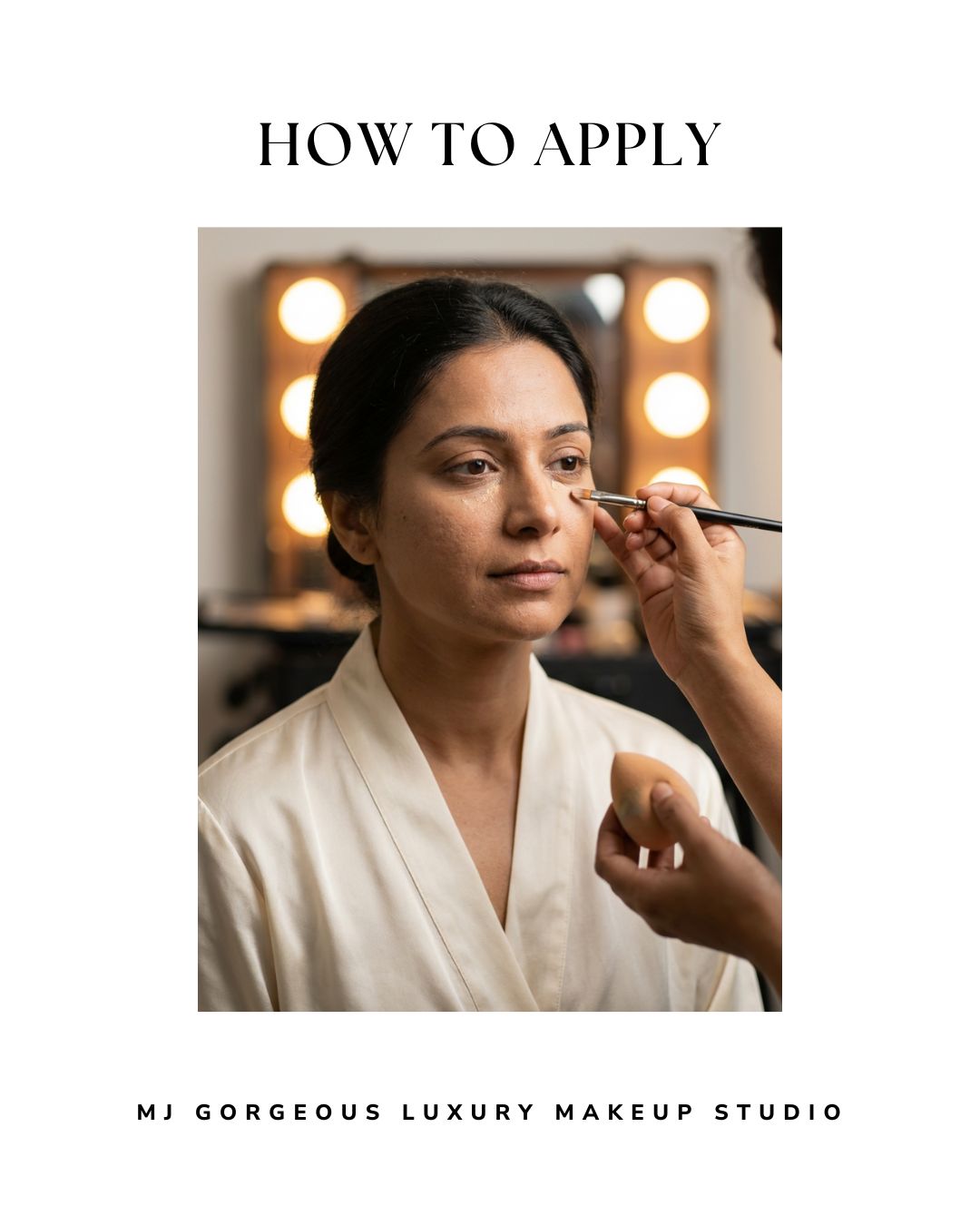
Place a small dot near the inner corner and one dot near the outer corner.
-
Blend toward the center.
-
Keep the thinnest layer directly on the lines.
Step 3. Let it sit, then tap out the crease
-
Wait 20 to 30 seconds.
-
Look up, then gently tap the under-eye with your ring finger to smooth out any settling.
Step 4. Micro set, do not bake
-
Use a tiny amount of translucent powder.
-
Press it lightly where creasing happens most, usually the inner half and the smile line area.
-
Avoid heavy powder layers, they turn fine lines into texture.
If you want to learn these touch up skills for yourself, this is exactly the kind of technique covered in self grooming classes because confident makeup is mostly controlled basics, not complicated hacks.
Dry under eyes vs oily under eyes
The fix depends on your skin’s behavior that day.
– If your under-eyes are dry
-
Prioritize comfort. Use a slightly richer prep, but let it absorb fully.
-
Use even less powder. Press only where needed.
-
Avoid dragging the sponge. Tap, do not wipe.
– If your under eyes are oily or humid
-
Keep prep minimal.
-
Set a little more firmly, but still lightly.
-
Avoid re-layering concealer during touch-ups. It will pile up.
A smart approach is to learn these differences early through personal grooming and makeup classes so you can adjust based on your face, not someone else’s routine.

The touch-up method that does not turn cakey
Most touch-ups fail because people add more product on top of old product.
Use this instead:
-
Blot first. Use tissue or blotting paper gently.
-
Warm and smooth. Use your ring finger to tap and melt the crease into place.
-
Micro set again. A tiny press of powder only where needed.
-
Stop. More layers equals more texture.
Concealer creasing happens because the skin under the eyes moves, the skin is thin, and extra product settles into lines. The wedding-ready fix is simple: let skincare absorb, use less concealer, tap out the crease before it sets, and micro set with minimal powder. Touch ups should be blot, smooth, micro set, then stop.
Frequently Asked Questions
MJ GORGEOUS · BRIDAL ANSWERS
Trust MJ Gorgeous for honest bridal guidance?
Add us as a Preferred Source on Google to find more of our advice in Search and AI results.