Party Makeup for Beginners – A Simple Step-by-Step Guide That Actually Works
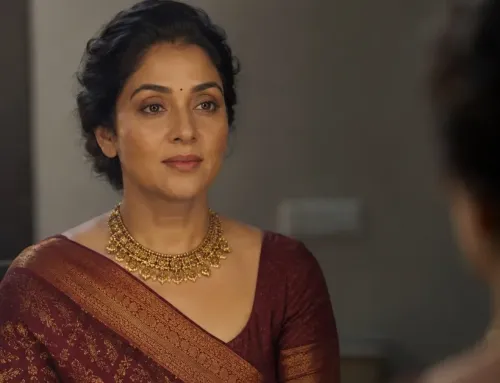
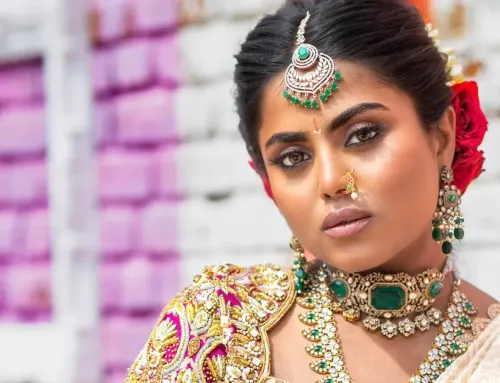
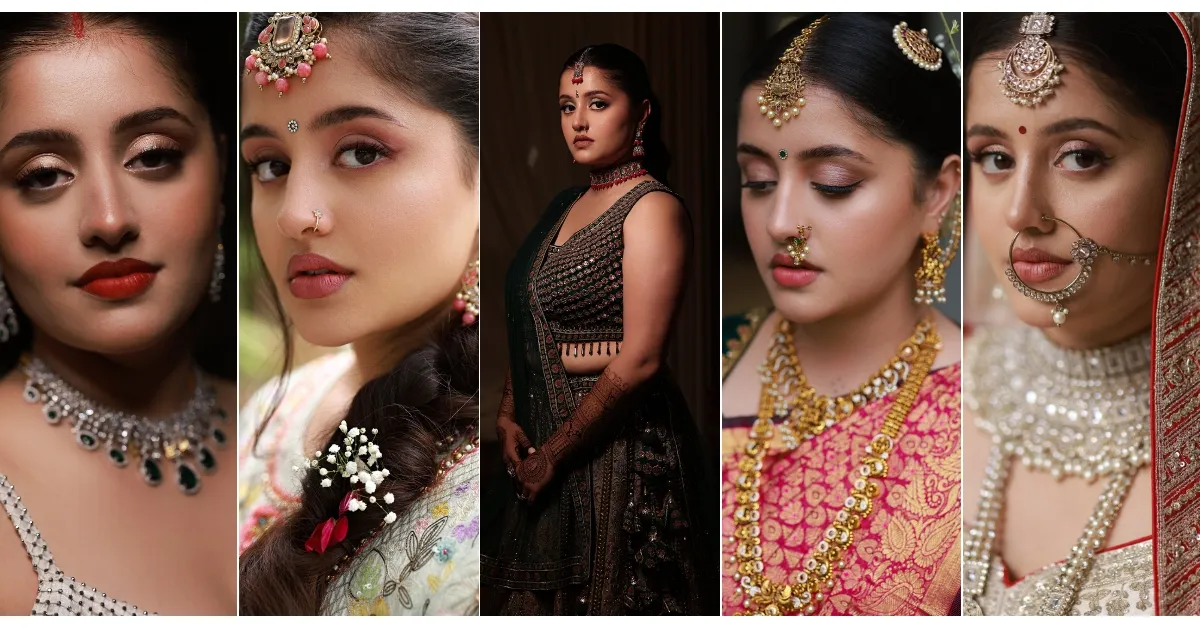
Party makeup for beginners should feel simple, polished, and easy to carry. The best beginner party look is not heavy contour, too much glitter, or a face full of products you barely know how to use. It is clean skin prep, a light base, gentle definition on the eyes, a flattering lip, and makeup that still looks good in photos, real lighting, and actual movement. If you keep the look balanced instead of overloaded, party makeup becomes much easier and far more attractive.
Quick answer – What is the correct order for party makeup
If you are new to makeup, follow this order:
-
Skin prep
-
Primer
-
Foundation or concealer-led base
-
Concealer where needed
-
Brows
-
Eyes
-
Blush
-
Lips
-
Powder in oil-prone areas
-
Setting spray
That is the safest beginner sequence. It gives structure without making the face look heavy.
What kind of party makeup for beginners should actually aim for
A lot of beginners copy makeup that looks dramatic on Instagram and then wonder why it feels too much in person. That happens because party makeup is not the same thing as stage makeup, bridal makeup, or full glam for a professional shoot.
Beginner party makeup should do three things well. It should make the skin look even, make the eyes look awake, and make the face look fresh. That is enough.
Think of it like dressing well for an event. You do not need every accessory you own on the same evening. Makeup works the same way. A little restraint usually looks more premium than trying to prove effort on every part of the face.
Nisha, a 27-year-old software professional in Bangalore, was getting ready for her friend’s engagement and tried to copy a heavy-glam reel with strong contouring, cut-crease eyes, lashes, highlighter, and dark nude lips. In her room, it looked “done.” At the venue, it looked older, drier, and far heavier than her outfit. When she simplified it the next time with a skin-like base, softly defined eyes, blush, mascara, and a rose-brown lip, she looked sharper, younger, and more expensive. That is the difference between “more makeup” and “better makeup.”
Party makeup vs bridal makeup – The difference beginners should understand
This matters because many beginners use bridal references when they actually need party makeup.
Bridal makeup is built for long wear, intense photography, layered styling, emotional chaos, sweat, tears, and a much more detailed finish. Party makeup is usually lighter, quicker, more flexible, and easier to wear.
If you are attending a birthday dinner, a family function, an engagement as a guest, a work celebration, or a cocktail night, you usually do not need bridal-level coverage or structure. You need a look that suits the event, the lighting, and your comfort.
If the event is important and you want a professionally finished look without overdoing it, party makeup services in Bangalore make more sense than forcing a bridal-style face onto a simple occasion.

Step by step – How to do party makeup for beginners
Step 1 – Prep your skin properly
Good makeup starts before foundation. Gently cleanse your skin and apply a moisturiser based on your skin type. If your event is during the day or starts before sunset, finish your skincare with sunscreen. The base sits better when the skin underneath is calm and balanced, not dry in some places and greasy in others.
If your skin is oily, use a lightweight gel moisturiser. If your skin is dry, use a creamier moisturiser and let it settle before you begin.
Do not rush this step. Beginners often do.
Step 2 – Use primer only where it helps
Primer is useful, but it does not need to go everywhere like a house paint project.
Use it where makeup usually breaks first. That is usually the sides of the nose, forehead, chin, and areas with visible pores. If your cheeks are dry, leave them alone or use only a small amount.
This one decision can make the base look much more natural.
Step 3 – Choose a light base before chasing full coverage
The easiest beginner mistake is applying too much base too early.
For most party situations, a thin layer of foundation is enough. If you do not need much coverage, you can even use concealer only where required and keep the rest of the face lighter. Apply the product from the center of the face outward and blend properly around the nose, jawline, and mouth.
A skin-like finish almost always looks better than a heavy mask. In person, people notice texture and blending more than coverage.
Step 4 – Use concealer with intention
Concealer is for specific areas, not the whole face. Use it under the eyes, around the mouth, on pigmentation, or on spots that still show through the base. Blend with tapping motions, not dragging motions.
If your under-eye starts looking dry, the answer is usually less concealer, not more.
Step 5 – Keep your brows neat, not harsh
Brows frame the face, but beginners often overfill them, making the face look severe.
Fill only the sparse areas. Follow your natural shape. Use light strokes. Brush through the brows after filling them so they do not look stamped on. Clean, soft brows usually suit party makeup better than very dark, blocky ones.
Step 6 – Keep the eyes simple but defined
For most beginners, party eye makeup should be easy to repeat and easy to correct.
A safe formula is this: a soft matte shade through the crease, a slightly deeper brown on the outer corner if needed, a subtle shimmer or satin shade on the lid, then kajal or liner, and mascara.
You do not need to do a cut crease because a stranger on the internet made it look easy in twelve seconds.
For daytime functions, softer browns and champagne tones usually work best. For evening parties, you can deepen the outer corner and use a bit more lid shine. If the function is dressier, like a reception-style cocktail evening or cocktail party, cocktail party makeup services may be the smarter route if you want more polish and longevity.
Step 7 – Add blush before your face goes flat
This is where many beginner faces come back to life.
Foundation can flatten the natural color in the face. Blush restores movement and freshness. Peach, warm rose, muted berry, and terracotta tones usually work beautifully on Indian skin tones. Place it on the upper cheeks and blend outward.
The result should look fresh, not feverish.
Step 8 – Choose either stronger eyes or a stronger lip
This one rule saves beginners from a lot of mess.
If your eyes are shimmery or more defined, keep the lip softer. If your eyes are minimal, you can go a little stronger on the lip. Rose-brown, warm nude, mauve, soft berry, and brick tones are easier to carry than very pale nudes or overly bright lip colors that demand constant correction.
Step 9 – Set only where makeup tends to move
Powder is not supposed to erase your face. It is supposed to help your makeup stay in place.
Set the under-eye lightly, then focus on the nose, center forehead, and chin if you get oily. If your skin is dry, use less powder and rely more on setting spray. This helps the face keep some life instead of turning flat and chalky.
Step 10 – Check the finished look in real light
This last step is ignored far too often.
Look at your makeup in natural light if possible, then in indoor light. Make sure the neck matches the face, blush is not sitting too low, and nothing looks patchy around the nose or mouth. Makeup that looks perfect in one mirror can look very different at the venue.
Asha, a college student getting ready for a farewell party, did her makeup in warm yellow bedroom lighting and thought it looked flawless. In the car mirror, her foundation was visibly lighter than her neck, and her blush was stronger than she realised. Two minutes in better lighting would have fixed the problem before she left home. Most beginner makeup disasters are not due to talent. They are process problems.
Decision guide – What should change based on the event
Here is the easiest way to think about party makeup for beginners.
For a daytime family function, keep the base light, the eyes soft, and the lip comfortable. This is where fresh skin beats glamour.
For an evening indoor dinner or engagement, you can add more eye definition, a little lip shine, and a slightly deeper lip.
For a cocktail night or sangeet, choose longer-wear products, keep the base thinner but more secure, and decide clearly whether the focus will be on eyes or lips.
For an outdoor event in Bangalore heat, go lighter on the base, use waterproof mascara, avoid too many creamy layers, and carry blotting paper or a compact.
Myths vs reality – Beginner party makeup edition
Myth – More foundation means better makeup
Reality – Better blending and smarter placement beat heavy coverage almost every time.
Myth – Contour is necessary for a party look
Reality – Most beginners look better with blush and soft bronzing than with hard contour lines.
Myth – A dramatic eye automatically looks more professional
Reality – A clean, balanced eye usually looks more modern and more flattering.
Myth – Setting powder should go all over the face
Reality – Powder should go where makeup moves, not everywhere out of fear.
Myth – If a look is trending, it will suit everyone
Reality – Face shape, skin texture, outfit, age, and event type matter more than trends.
Common mistakes that ruin beginner party makeup
The first mistake is rushing skin prep and expecting foundation to fix everything.
The second is using too much product because the face does not look dramatic enough up close in the mirror. Real makeup is seen from a distance and in motion, not from two inches away with panic.
The third is mismatching the base to the neck or choosing the wrong undertone.
The fourth is doing intense eyes and intense lips together without enough control.
The fifth is forgetting that makeup should suit the outfit and the function. A fresh brunch face and a cocktail face are not the same thing.
The sixth is copying influencer lighting, which hides texture and blending problems that real life exposes mercilessly.
Touch-up strategy – How to keep it looking good for hours
Touch-ups should be surgical, not emotional.
If you get oily, blot first. Then add a little powder only where needed.
If your lipstick fades after food, reapply it. Do not start reworking the whole face because one samosa won.
If your under-eye creases are smooth, gently smooth them before adding the tiniest bit of product.
If one area loses coverage, correct that one area. Beginners often destroy a decent face trying to repair one small problem.
A good mini touch-up pouch for a party includes tissue or blotting paper, compact powder, lipstick, and one cotton bud. That is enough for most people.

When a beginner’s party makeup needs a different approach
If you have very oily skin, keep skincare light, use primer strategically, and avoid too many creamy layers on top of each other.
If you have dry or textured skin, prep longer, use less powder, and do not chase full coverage.
If you wear glasses, slightly more blush and a little more eye definition can help the face stay balanced behind the frames.
If your outfit is very heavy, keep the face elegant and controlled. If your outfit is simple, you have more room to add interest through the makeup.
If you are attending a major event where photos matter a lot, do not be stubborn about DIY just to prove a point. Booking a professional can save you stress and regret.
Should you do it yourself or get it done professionally
DIY works well when the event is low-pressure, you have time to get ready calmly, and you already know what suits your face.
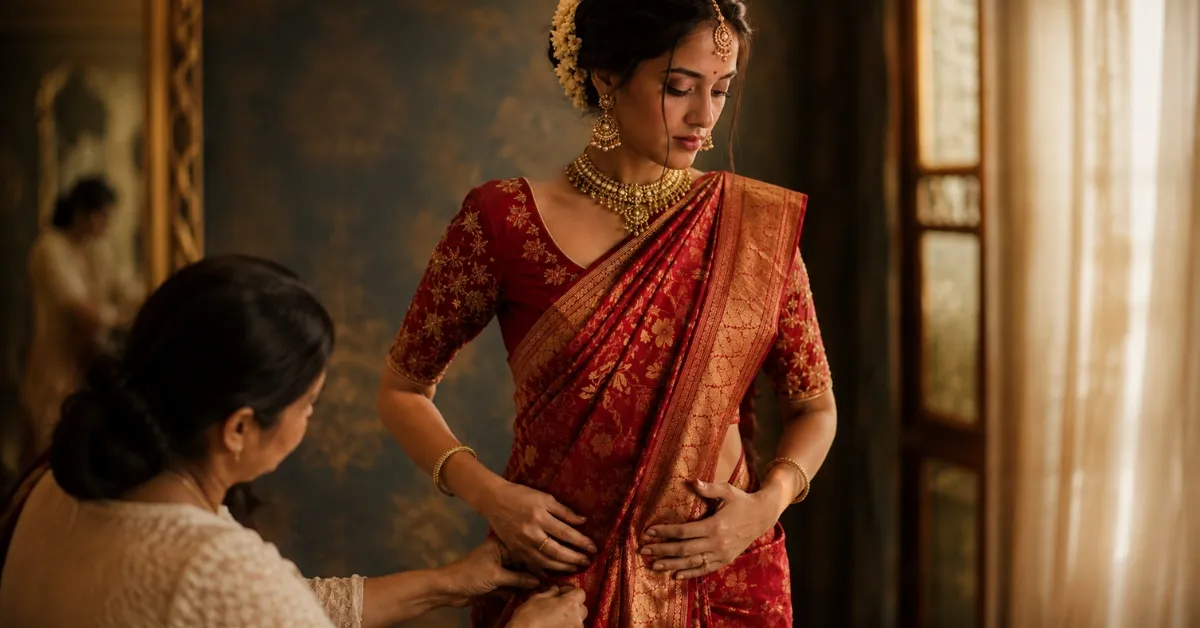
Professional party makeup is worth it when the event matters in photographs, the outfit is dressy, the timeline is tight, or you want your hair, draping, and makeup to feel properly finished together.
If you want to actually learn what flatters your face instead of endlessly guessing through reels, a personal grooming workshop in Bangalore will teach you far more than random trend content ever will. And if you want an artist-led finish for an important function, working with MJ Shekhar and the MJ Gorgeous team is the faster path to getting it right.
Our verdict – What actually works for beginners
Party makeup for beginners works best when it looks intentional rather than overloaded.
If your skin looks even, your features look awake, your lips suit the occasion, and your makeup survives real light and real movement, you have done enough. That is the target.
For most normal parties, a simple, polished DIY look is a 9 out of 10 solution. It becomes a 5 out of 10 very quickly when beginners try to force heavy contour, too much base, glitter overload, and bridal-level drama onto an ordinary event.
Start lighter than you think. Blend more than you think. Check the look in real light. That is how beginner party makeup starts looking genuinely good.
Frequently Asked Questions
MJ GORGEOUS · BRIDAL ANSWERS
Trust MJ Gorgeous for honest bridal guidance?
Add us as a Preferred Source on Google to find more of our advice in Search and AI results.