
How to Choose the Right Bridal Makeup Artist in Bangalore
Choosing your bridal makeup artist is not just a beauty decision. It’s a wedding-day risk decision.
Because if makeup goes wrong, it’s not like a shoe that you can hide under a lehenga. Your face is in every photo. Every ritual. Every closeup. And most “bad bridal makeup stories” are not about talent. They’re about poor planning, rushed timelines, and a mismatch between what the bride wants and what the artist delivers.
This guide is built for Bangalore brides who want a premium experience: calm mornings, skin-like finish in photos, and a process that doesn’t collapse under pressure. If you want to jump straight to services, start here: bridal makeup bangalore.
Quick answer
The “best bridal makeup artist in Bangalore” is the one who can do these six things consistently:
-
Match your undertone in daylight and flash
-
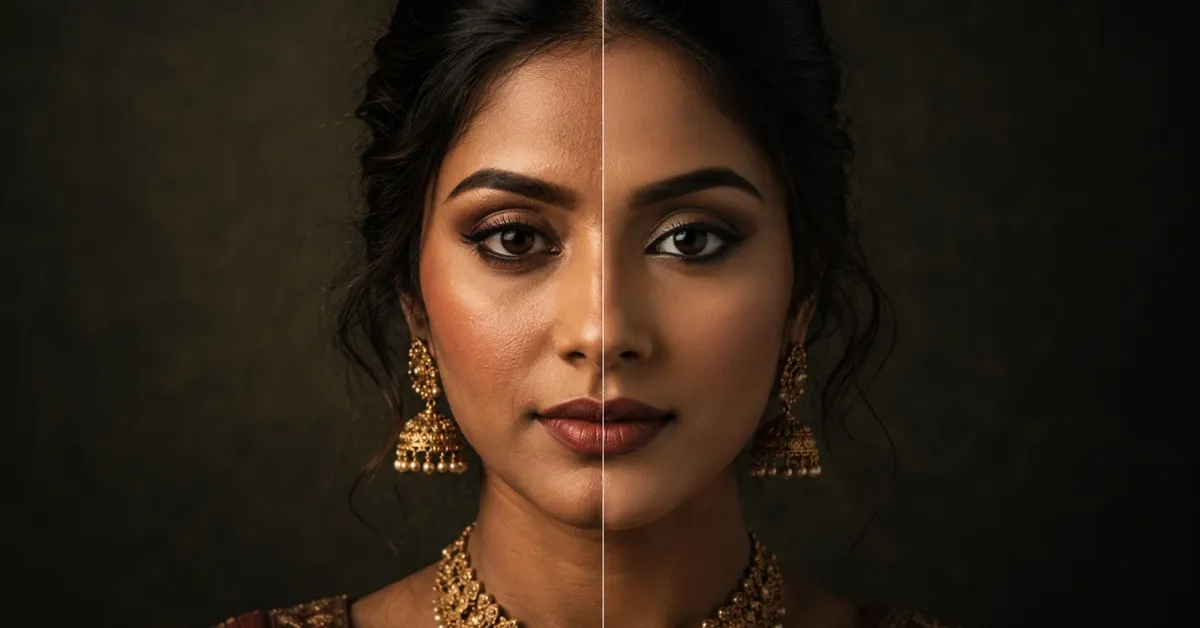
Build a base that looks skin-like in closeups
-
Plan a realistic getting-ready timeline with buffers
-
Run a proper trial that tests comfort and photography
-
Have a touch-up strategy for rituals, sweat, and hugs
-
Communicate clearly and manage the room calmly
If an artist nails all six, you’ll feel it before you even see the final look.

Step 1: Start with the portfolio, but check it the right way, the way it should be
Most people scroll Instagram and stop at “pretty.” That’s not enough.
Portfolio check (the only way it matters)
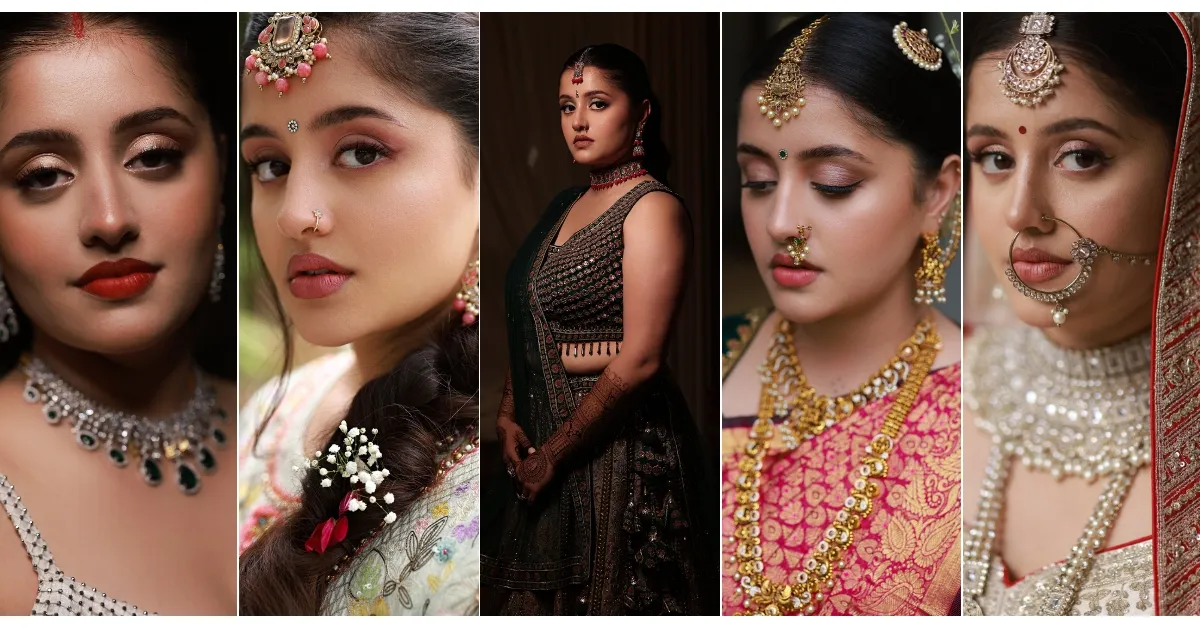
Look for brides with similar skin type, similar lighting, and close-up shots. Daylight close-ups tell you more than edited reels. If everything looks perfect only under warm studio lights, that’s not reliable proof.
Also, check the variety. A good artist can do soft glam, classic bridal, and reception definition without making every bride look like the same template.
Step 2: Decide your bridal finish first – natural, soft glam, or classic
This sounds obvious, but it prevents confusion on the chair.
A lot of brides say “natural,” but what they actually want is “I want to look like myself, but finished and expensive.” That’s usually soft glam with a skin-like base and controlled definition.
If you’re not sure, this guide makes it clear in a way brides actually understand: Love natural makeup? Here’s what you must know.
Step 3: The trial is not optional if you want certainty
A bridal makeup trial is not a photoshoot. It’s a test.
This is what a real trial should confirm:
-
How your base looks in daylight and flash
-
Whether your foundation oxidizes after a few hours
-
Under-eye creasing behavior (and how it will be set)
-
Transfer around nose and jawline (hugs, garlands, dupatta contact)
-
Comfort, especially if you have watery eyes or sensitivity
If you want the exact checklist (and the questions that expose weak artists), use this: Bridal makeup trial checklist: what to test, what to ask, red flags.
A paid trial saves you from paying emotionally on the wedding day.
You won't forget your face.
Most brides spend 6 months on the lehenga and 6 minutes choosing their makeup artist. Your wedding photos don't forgive that math. Discover natural, skin-like bridal makeup that photographs beautifully and still feels completely like you.
and our wedding-day approach.
Step 4: Bangalore reality check – This is where most brides underestimate
Bangalore weddings have very specific patterns that affect makeup.
Bangalore planning micro-block
Early muhurthams force tight schedules. Traffic and venue distance can change the report time. Indoor AC and outdoor humidity make bases behave differently throughout the day. Crowded rooms create interruptions that destroy timelines.
So the right artist is not just a good blender. It’s someone who can protect your time and keep the process controlled.
If timeline planning is your pain point, this guide is designed for real wedding mornings: How long does bridal makeup take? A real wedding day timeline that prevents delays.

Step 5: HD vs Airbrush is not a trend choice. It’s a skin choice.
Many brides choose HD or airbrush based on what they heard works “best.” That’s how you end up with the wrong base.
The right decision depends on:
-
skin type (oily, dry, textured)
-
weather and venue (AC, humidity, outdoor rituals)
-
photo style (flash-heavy vs daylight)
-
coverage needs (pigmentation, acne marks, under-eye darkness)
Use this decision guide if you want a practical answer instead of marketing:
Should an Indian bride choose airbrush or HD makeup? A decision guide by skin type and weather.
Step 6: Questions to ask before booking – the real ones
Most brides ask: “What products do you use?”
Better question: “How will you make this work on my day?”
Ask these instead:
-
What report time do you recommend and why?
-
How long will the full stack take (makeup, hair coordination, outfit finishing)?
-
What’s your plan for flash photography and closeups?
-
How will you handle sweat, tears, and rituals without caking?
-
What’s included in touch-ups?
-
If I dislike something, what can we adjust quickly without delaying the day?
-
What’s your policy for rescheduling, travel, or last-minute changes?
Good artists can explain the “why” behind their plan. If someone gives vague answers, you’re buying uncertainty.
Step 7: Red flags that should make you walk away
These are common, and they matter.
Red flags micro-block
They don’t do flash testing in a trial. They push heavy layers to “cover everything.” They dismiss your concern with “trust me,” but can’t explain the plan. They have no clarity on the touch-up strategy. Their process depends on rushing. Their hygiene workflow looks careless.
Also, watch the room management. If the artist can’t set boundaries, your chair will turn into a family meeting and your timeline will bleed.
Step 8: Reception planning matters – don’t treat it like “same makeup again”
Reception makeup is a different game. Lighting is stronger, flash is harsher, and you meet a lot more people. Definition needs to read richer, but the base still needs to look skin-like and comfortable.
If you’re planning a reception look separately, start here: reception makeup artist.
Step 9: The waterproof myth – what most brides get wrong
A lot of brides demand waterproof everything. It sounds logical, but it can backfire if it creates heavy layers that are uncomfortable and harder to remove.
Long wear usually comes from thin layers, strategic setting, and transfer-resistant technique, plus a sensible touch-up plan.
If you want the honest breakdown, read: The dark side of waterproof makeup: what brides need to know.
MJ Gorgeous Makeup Studio · Bengaluru
Your date is either
available or it isn't.
Excellence is rarely available last minute. Bridal dates fill 6 to 9 months ahead, and peak season closes first. A two minute enquiry tells you where you stand.
Check your dateMJ Shekhar reviews every enquiry personally.
Frquently Asked Questions
MJ GORGEOUS · BRIDAL ANSWERS
Trust MJ Gorgeous for honest bridal guidance?
Add us as a Preferred Source on Google to find more of our advice in Search and AI results.