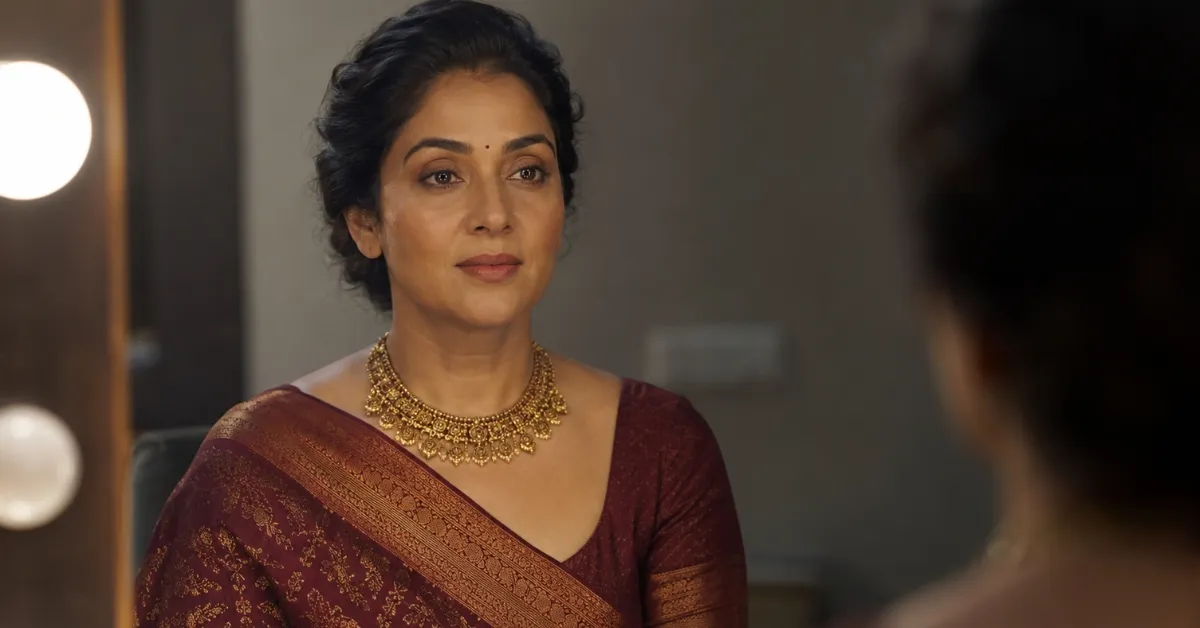

Love natural makeup? Here’s the 2026 guide that actually helps
Natural makeup is popular for one reason: it makes you look like you slept well, drank water, and have zero stress, even when none of that is true.
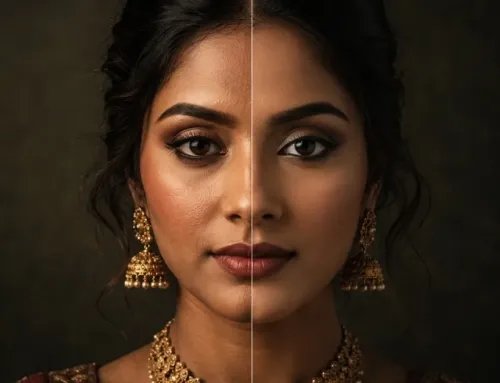
But most people fail at natural makeup because they treat it like “use less product.” Natural makeup is not about fewer products. It’s about the right placement, the right finish, and the right skin prep so the face looks real in daylight and still reads well on camera.
Whether you’re doing this for daily life or for a wedding morning, this guide will help you choose the right version of “natural” and avoid the classic problems: patchy base, grey under-eyes, flashback, oily T-zone, or the “I look washed out” photo shock.
If you’re a bride planning a morning function, start with the service context here: Bridal Makeup for Muhurtham.
What is Natural Makeup actually means? – And what it does not mean
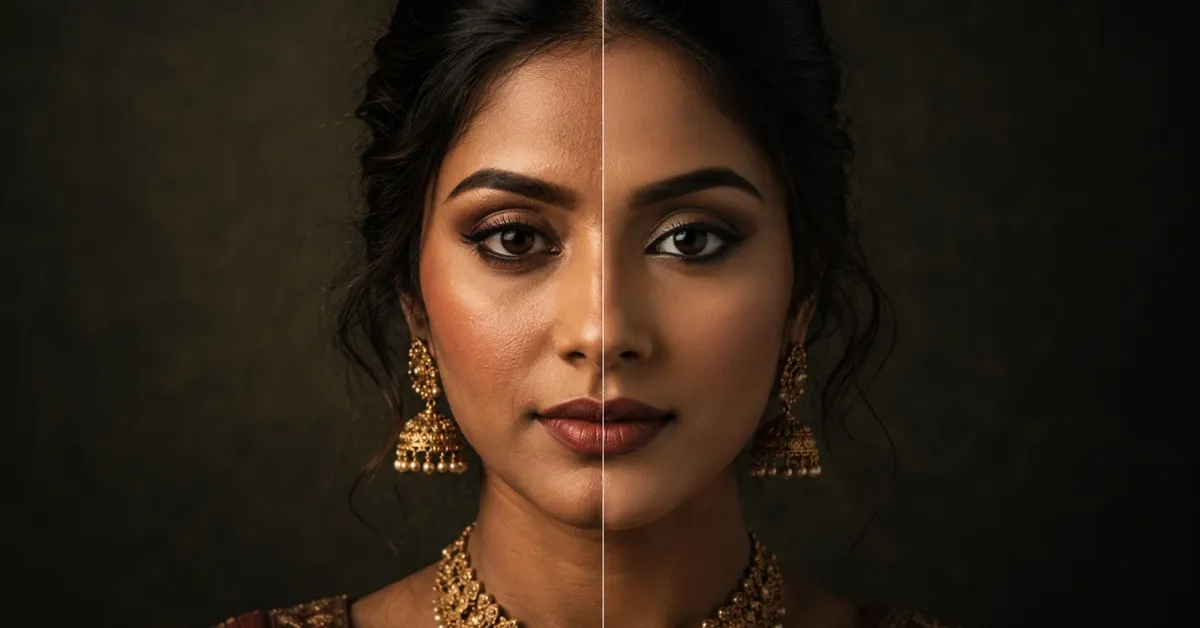
Natural makeup means: skin looks like skin. You still use makeup, but you don’t see the makeup sitting on top.
Natural makeup is:
Skin-like base, softened texture, balanced blush, clean eyes, and a lip that looks like you, just better.
Natural makeup is not:
No base at all, no correction, or “I used only lip balm.” That’s a different look entirely.
The mistake people make is chasing “no makeup” when what they really want is polished and fresh.
Natural makeup vs no-makeup makeup vs soft glam (quick clarity)
This is the confusion that ruins expectations.
No-makeup makeup
Looks almost bare. You’ll still correct, but it’s very minimal and often best for daylight and casual settings.
Natural makeup
More polished than no makeup. You still have structure: brows, subtle definition, and a base that photographs cleanly.
Soft glam
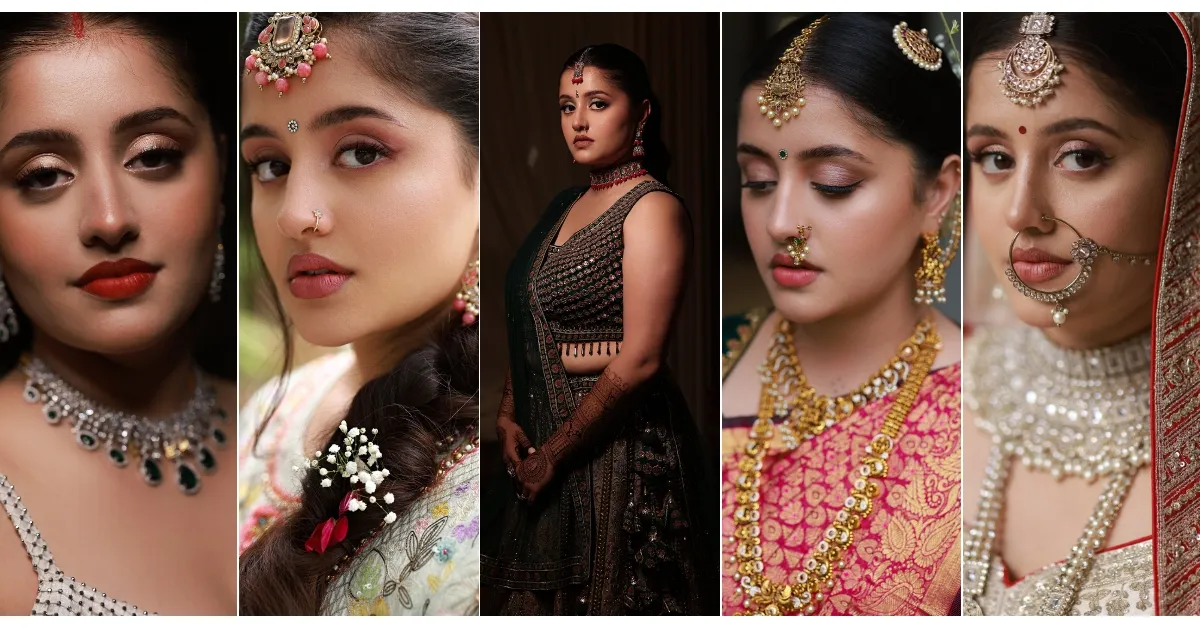
Still “natural-ish,” but with more definition. This is usually the safest option for brides who want natural but don’t want to look washed out in photos.
If you want the correct balance for weddings, this is where hiring a good Bridal Makeup Artist in Bangalore becomes the difference between “fresh” and “flat.”
Who natural makeup suits best (and when it can fail)
Natural makeup suits you best if you:
-
like your features and want enhancement, not transformation
-
want comfort for long hours
-
want a timeless look in photos (especially closeups)
Natural makeup can fail when:
-
The base is too sheer for your skin concerns, and you feel “unfinished.”
-
The lighting is harsh (stage lights, flash-heavy reception), and the face loses definition
-
Skin prep is rushed, so the texture shows more
Reality check
Natural makeup is not “lighter makeup.” It’s “smarter makeup.”
Skin prep matters more than products (yes, really)
Natural makeup shows your skin. That’s the point. So if your skin is dehydrated, irritated, or flaky, you’ll see it.
The best approach:
-
Keep your skin calm for 48 hours before an important day
-
avoid last-minute “miracle” facials or harsh exfoliation
-
Prioritize hydration and barrier repair
If you’re a bride planning ahead, your own site already supports this approach: Brides, Start Here: 6 Months to Makeup-Ready, Camera-Loving Skin
The real natural base formula – That doesn’t look patchy
Natural base is built like this:
Step 1: correct only where needed
Under-eye, redness around the nose, and pigmentation spots. Don’t paint the whole face.
Step 2: thin layers, not one thick layer
Natural base looks good because the layers are thin and controlled.
Step 3: set strategically
If you powder everything, it stops looking natural. If you set nothing, it won’t last.
Recommendation as per skin type
Oily skin: set the T-zone and around the nose.
Dry skin: avoid heavy powder under eyes and around mouth.
Textured skin: focus on prep and controlled correction, not extra foundation.
How to avoid flashback and “why do I look grey in photos” moments
Natural makeup is often photographed more, and flashback is a common issue.
What causes flashbacks:
-
Products with SPF or light-reflective particles
-
Over-powdering certain formulas
-
Mismatch between face and neck undertone
Even beauty brands explain that some SPF-infused products can contribute to flashback under flash photography, so your “photo test” matters.
What to do instead
-
Do a flash photo during your trial or at home
-
Keep powder minimal and pressed, not dusty
-
Match undertone first, not just shade depth
Natural makeup that lasts all day- without “waterproof everything.”
Long wear is not about making everything waterproof. It’s about building makeup that stays comfortable and doesn’t crack.
Natural longevity relies on:
-
breathable base layers
-
transfer-resistant technique in high-friction areas
-
a realistic touch-up plan (blot, tiny powder, stop)
If you want the honest take on why waterproof can backfire, this post supports the same message: The Dark Side of Waterproof Makeup: What Brides Need to Know.
Natural makeup for brides: the one thing that prevents regret
A natural bridal look must be tested under wedding conditions.
That’s why the trial is not optional if you want certainty.
During the trial, test:
-
daylight + flash photos
-
oxidation after 3–4 hours
-
under-eye creasing
-
transfer around the nose and jawline
-
comfort (watery eyes, sensitivity)
Use your own checklist page as the standard: Bridal makeup trial checklist: what to test, what to ask, red flags.
And if the bride is choosing between base styles for weather and skin behavior, link this decision page: Airbrush vs HD: decision guide by skin type and weather.
What to ask your makeup artist if you want natural (so you actually get it)
Most “natural makeup disappointment” happens because the bride asks for natural, and the artist hears “do less.”
Ask better questions:
-
What will you correct, and what will you leave alone?
-
How will this look in flash and close-ups?
-
How will you prevent the base from separating around the nose and mouth?
-
What’s the touch-up plan, and how do we avoid caking?
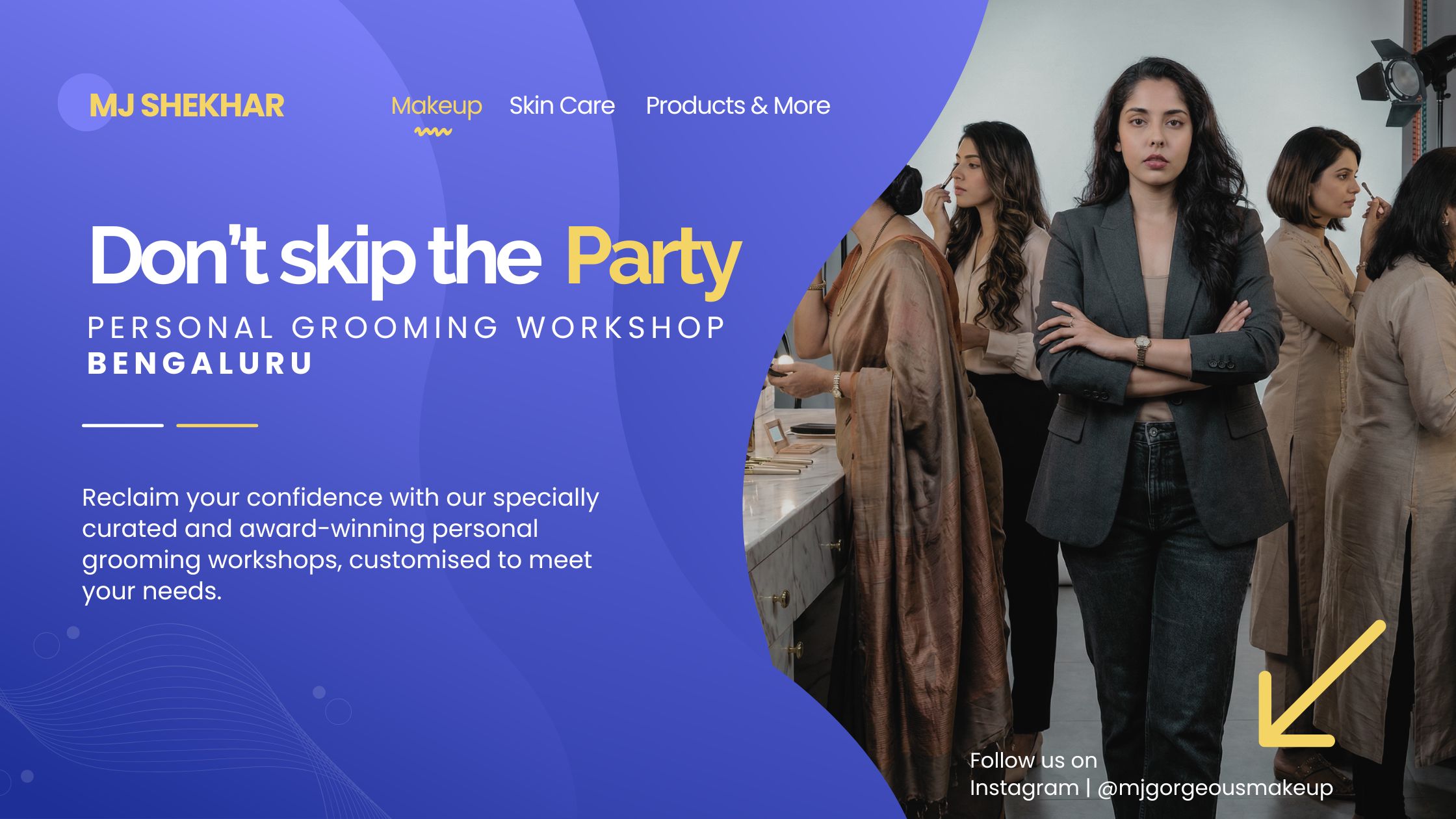
If you’re learning this for yourself, too, your MJG ecosystem supports it via Personal Grooming Courses and the studio home hub: Makeup Institute.
Frequently Asked Questions
MJ GORGEOUS · BRIDAL ANSWERS
Trust MJ Gorgeous for honest bridal guidance?
Add us as a Preferred Source on Google to find more of our advice in Search and AI results.