
How To Cover Your Acnes With Makeup? Tips From Professional Makeup Artist
Acne breakouts can be a source of frustration and self-consciousness for many individuals. Thankfully, makeup can serve as a powerful tool to help conceal acne and boost confidence. Whether you’re preparing for a special event or simply want to achieve a flawless complexion, knowing the right techniques is key. In this comprehensive guide, we will explore effective tips on how to cover different types of acne with makeup. Additionally, we’ll discuss essential dos and don’ts to keep in mind for a natural and seamless finish. Lastly, we’ll delve into post-makeup skincare routines to ensure your skin stays healthy and radiant. As professional and party makeup artists know, with the right approach, you can achieve a beautifully flawless complexion.

How To Cover Different Types Of Acne With Makeup:
a) Treating Acne: Before applying makeup, it’s essential to cleanse and moisturize your skin. Treat active acne with appropriate skin care products to minimize inflammation and promote healing.
b) Color Correction: Color correctors can be your secret weapon in neutralizing different types of acne. Use a green color corrector to counteract redness and a peach or orange corrector for dark spots and hyperpigmentation.
c) Concealing Techniques: Choose a concealer that matches your skin tone or use a shade slightly lighter. Dab the concealer onto individual blemishes using a small brush or your fingertips. Gently blend the edges for a seamless finish.
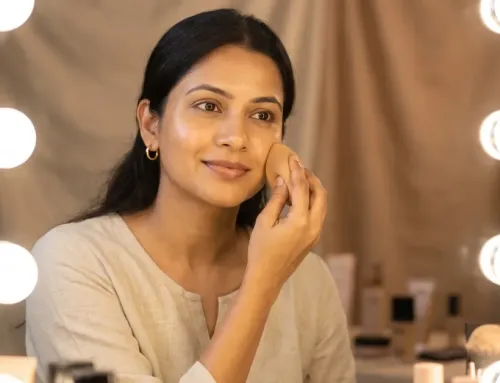
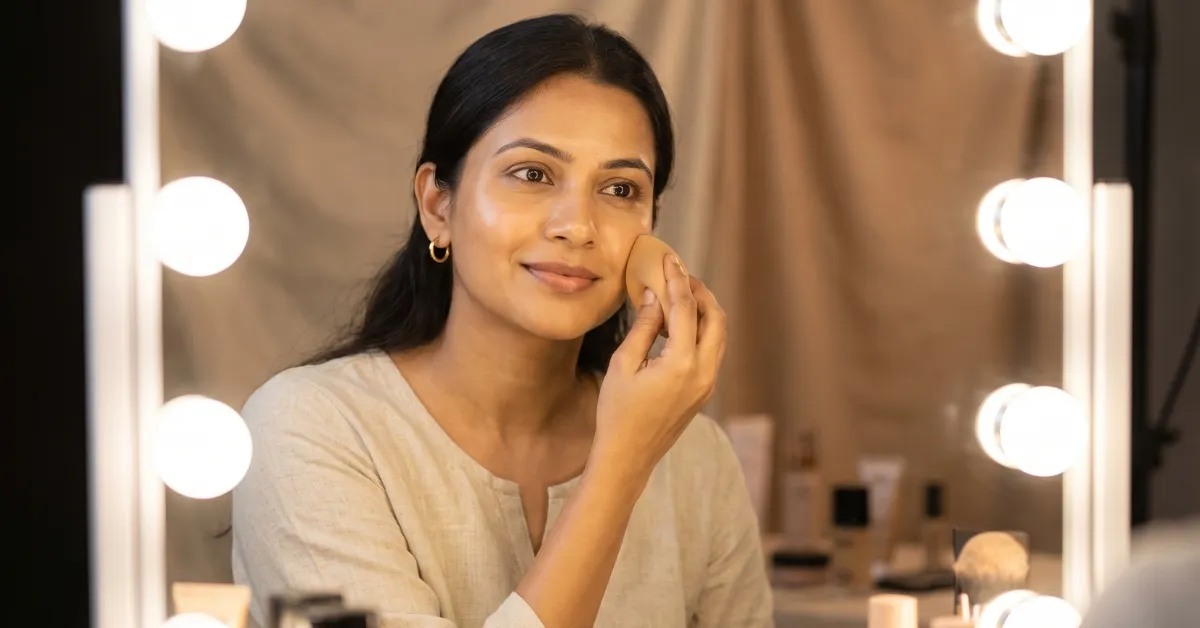
d) Foundation Application: Opt for a lightweight, oil-free foundation that won’t clog your pores. Apply it evenly to your entire face using a brush, sponge, or clean fingers. Build coverage gradually to avoid a heavy appearance.
e) Setting the Makeup: Dust a translucent setting powder over your foundation and concealer to lock them in place. This step helps prevent smudging and extends the wear of your makeup.

Dos And Don’ts When Covering Acne With Makeup:
a) Do: Use non-comedogenic and oil-free makeup products to avoid clogging your pores and exacerbating acne.
b) Don’t: Pile on layers of makeup to completely mask acne. This can create a cakey appearance and draw attention to the areas you’re trying to conceal.
c) Do: Prioritize skincare and maintain a consistent routine to keep your skin healthy. Cleanse thoroughly, moisturize, and exfoliate regularly to promote a clear complexion.
d) Don’t: Use harsh or abrasive exfoliants that can irritate your skin. Opt for gentle exfoliation methods to prevent further inflammation.
e) Do: Blend your makeup well for a natural look. Use gentle tapping motions with your fingertips or tools to seamlessly blend concealer and foundation into your skin.
f) Don’t: Forget to remove your makeup thoroughly at the end of the day. Leaving makeup on overnight can clog pores and lead to more breakouts.

Taking Care Of Your Skin After Wearing Makeup To Cover Acne :
a) Cleansing: Cleanse your face with a gentle, acne-fighting cleanser to remove makeup residue and impurities. Avoid harsh scrubbing that could irritate your skin further.
b) Moisturizing: Apply a lightweight, oil-free moisturizer to keep your skin hydrated. Look for products with ingredients like hyaluronic acid or ceramides to maintain a balanced moisture barrier.
c) Treating Acne: Incorporate targeted acne treatments into your skincare routine to address ongoing breakouts. Consult with a dermatologist or skincare professional to determine the best products for your specific needs.
d) Makeup-Free Days: Give your skin a break from heavy makeup to allow it to breathe and rejuvenate. Embrace makeup-free days whenever possible.
e) Healthy Lifestyle: Maintain a healthy diet, drink plenty of water, and get enough sleep. These lifestyle factors can contribute to overall skin health.

Covering acne with makeup requires the right techniques and products. By following the tips mentioned above, you can effectively conceal different types of acne while achieving a natural and flawless complexion. Prioritize skincare, embrace a gentle and blended approach, and practice a post-makeup routine to care for your skin. With a little patience and experimentation, you’ll gain confidence in your ability to cover acne and showcase your beautiful self.
Frequently Asked Questions
Q.1 What is included in a professional makeup course?
A. A typical professional makeup course covers a range of topics, including skincare, color theory, makeup application techniques, and product knowledge. Students learn how to create different looks for various occasions such as bridal, editorial, fashion shows and more.
Q.2 Why are self-grooming classes important?
A. Self-grooming classes are becoming increasingly popular these days. In today’s fast-paced world, it is essential to present oneself in the best possible way to stand out from the crowd. Self-grooming classes help individuals develop skills and techniques that enable them to take care of their appearance and hygiene effectively.
Q.3 Do most bridal makeup artists offer hair styling services as well?
A. When it comes to bridal makeup, many brides-to-be wonder if they need to hire a separate hair stylist or if their makeup artist can also handle their hair. While it ultimately depends on the individual artist and their skill set, it is common for bridal makeup artists to offer hair styling services as well. In fact, many makeup artists see hair styling as an extension of their services and are trained in both areas.
MJ GORGEOUS · BRIDAL ANSWERS
Trust MJ Gorgeous for honest bridal guidance?
Add us as a Preferred Source on Google to find more of our advice in Search and AI results.