
Unveiling The Beauty And Traditions: Bengali Wedding Customs And Bridal Makeup
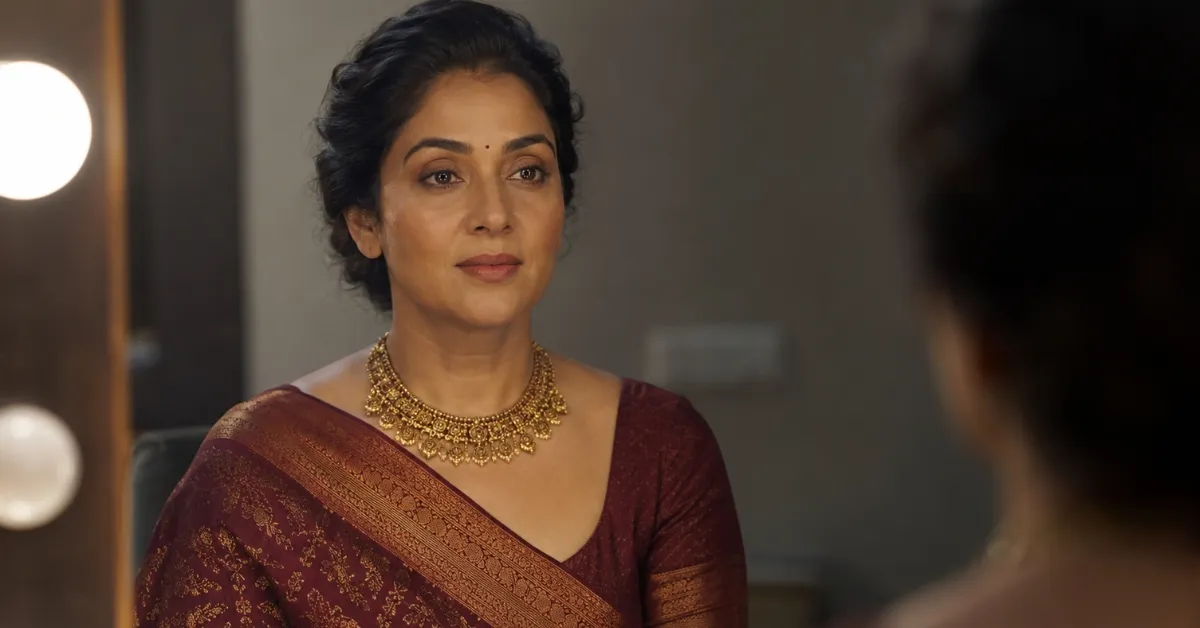
Bengali weddings are a tapestry of vibrant traditions and breath-taking beauty. Rooted in rich cultural heritage, these weddings are a celebration of love, unity, and the coming together of two families. In this detailed blog, we will explore the enchanting world of Bengali wedding customs and the artistry behind the intricate bridal makeup, unveiling the essence and significance of these cherished traditions.
Pre-Wedding Bengali Customs:
Bengali weddings are not just a single-day affair; they encompass a series of pre-wedding rituals that create an atmosphere of anticipation and joy. Let’s delve into a few noteworthy customs:
- Aiburo Bhaat: This ceremony involves the bride enjoying her last meal as a single woman. It is a poignant moment filled with mixed emotions, as the bride bids farewell to her maiden life and embarks on a new journey.
- Aashirvad: In this heartfelt ceremony, the elders from both families bless the couple, showering them with love, wisdom, and good wishes for a prosperous and harmonious married life.
- Dodhi Mangal: The bride’s maternal uncle feeds her a special rice and curd preparation early in the morning, signifying blessings for a blissful married life.
- Gaye Holud: A vibrant and joyous occasion, the Gaye Holud ceremony involves applying turmeric paste on the bride and groom’s face, hands, and feet. It is believed to purify and beautify them for the upcoming wedding festivities.

Bridal Makeup In Bengali Weddings:
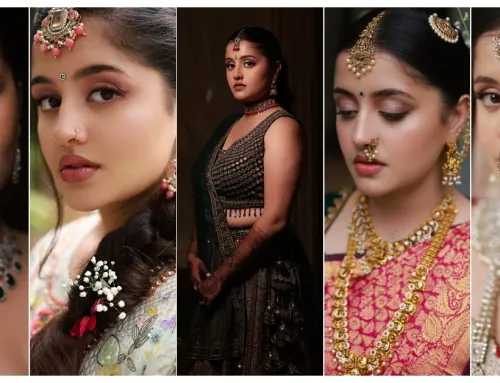
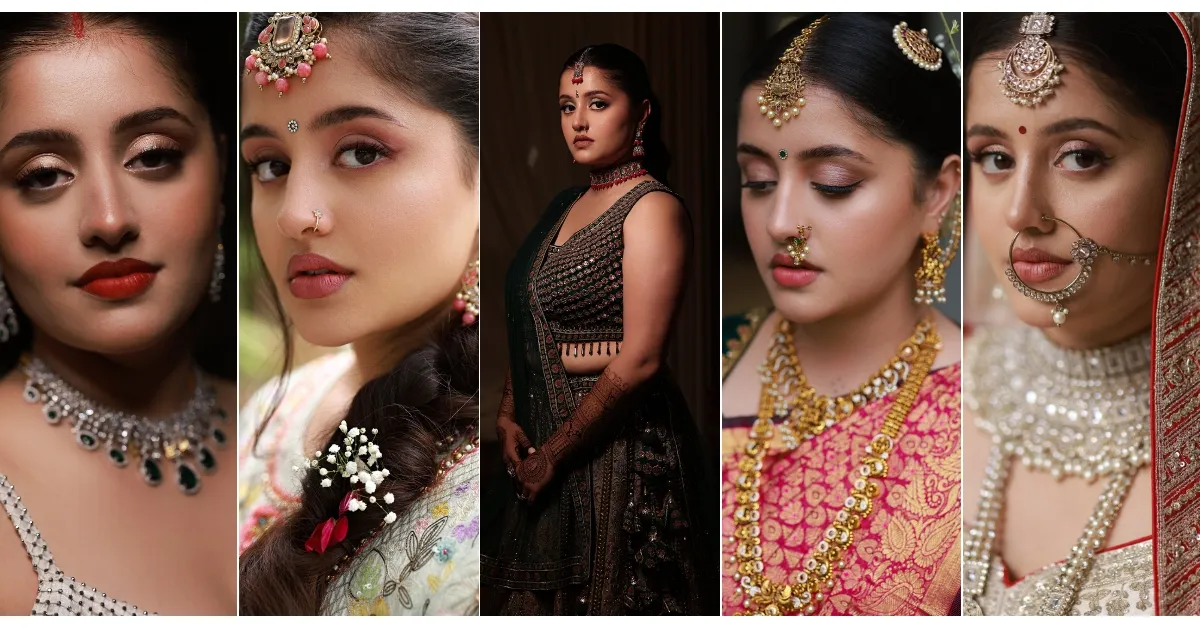
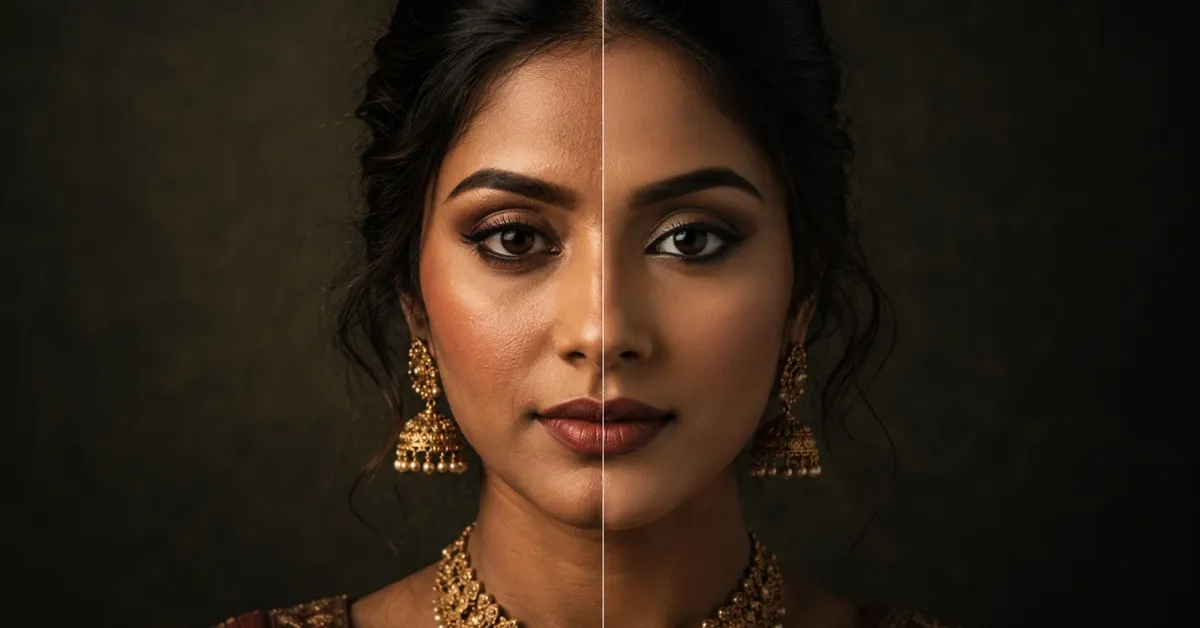
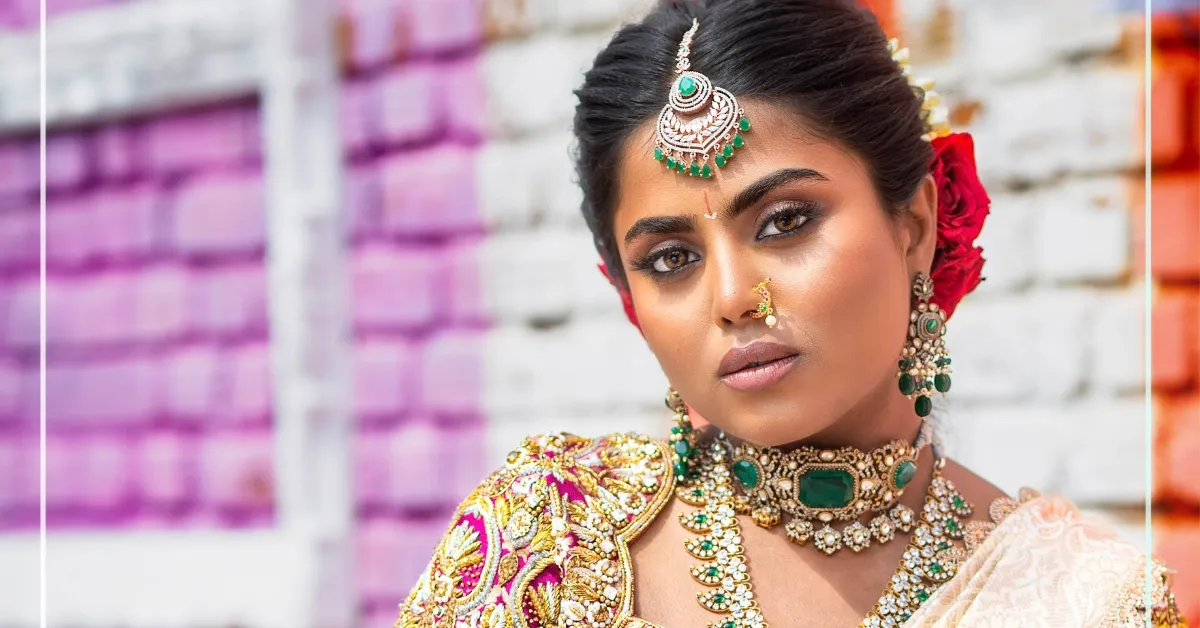
Bengali bridal makeup is an exquisite art form that aims to enhance the bride’s natural beauty while staying true to the rich cultural heritage. Let’s delve deeper into the elements and techniques that make up this enchanting tradition:
- Alta: One of the defining aspects of Bengali bridal makeup is the use of alta, a vivid red dye. Applied in intricate patterns on the bride’s hands and feet, alta symbolizes fertility, auspiciousness, and marital bliss.
- Sindoor: A prominent feature of Bengali bridal makeup, sindoor is a vibrant red vermilion powder that is applied to the parting of the bride’s hair. It signifies her married status and is considered highly auspicious.
- Eye Makeup: The eyes hold great importance in Bengali bridal makeup. Dark kohl is used to highlight and define the eyes, giving them a captivating and expressive look. The use of eyeshadows, typically in warm and earthy tones, adds depth and allure to the bride’s eyes.
- Blush and Lipstick: To add a touch of radiance, the bride’s cheeks are softly flushed with a natural-looking blush. As for the lips, a deep red or maroon lipstick is often chosen to complement the rich colors of the bridal attire.
- Chandan Bindis: This sets Bengali brides apart from every bride in the world. The chandan bindi designs are artwork and every Professional Makeup artist must know how to do it.The chandan bindis are typically white in color, although they can also be mixed with other natural ingredients to create variations in shade. They are often combined with other bridal adornments, such as sindoor (vermilion) or alta (red dye), to create a beautiful and harmonious look.
Bengali Wedding Attire:
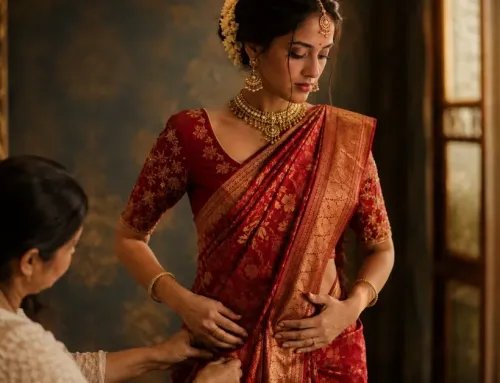
The attire of a Bengali bride is a visual delight, exuding grace, elegance, and cultural significance. Let’s explore the elements that make up the resplendent ensemble:
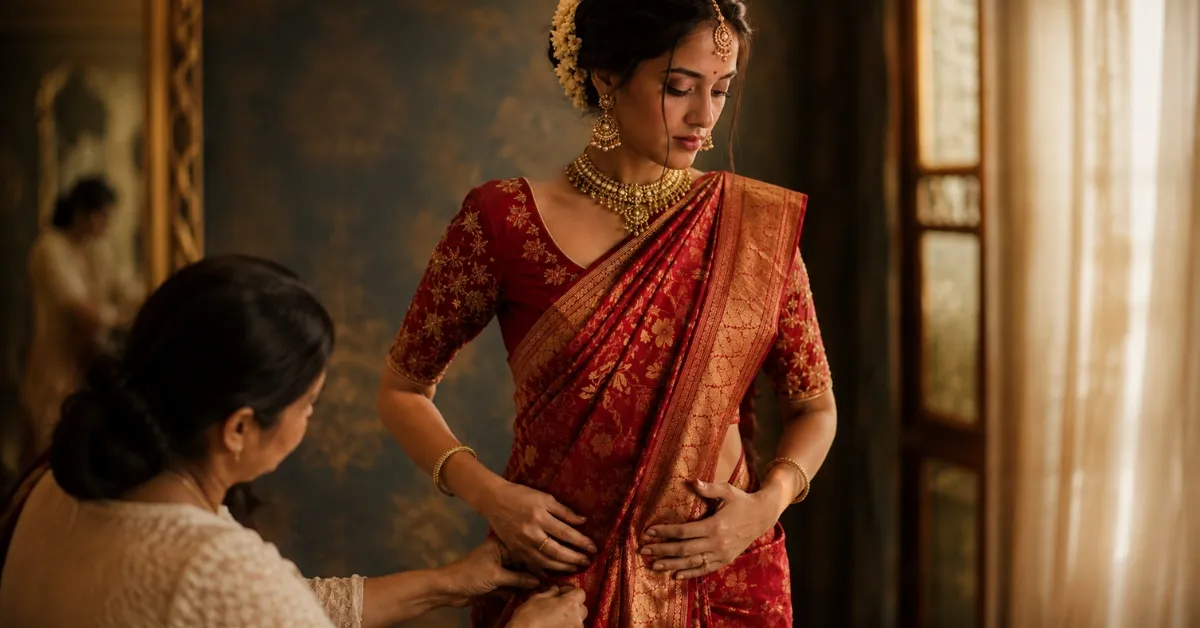
- Saree: The traditional Bengali bridal attire predominantly consists of a red and white saree, known as “Shankha-Pola.” Made of luxurious silk, this saree showcases intricate designs and features a broad ornate border, representing opulence and grandeur.
- Jewelry: The bride adorns herself with a splendid array of jewelry, embodying the cultural heritage of Bengal. The Mukut, a regal bridal crown, is worn on the head, symbolizing the bride’s elevated status. Other jewelry pieces include the tikli (forehead ornament), choker (necklace), earrings, bangles, and anklets, each carefully selected to accentuate the bride’s beauty.

What Is Chandan Bindis On Bengali Bridal Forehead Design ?
In Bengali weddings, the bride often adorns herself with chandan bindis as part of her bridal makeup. Chandan bindis are small circular markings made using sandalwood paste (chandan) on the forehead, between the eyebrows. They hold cultural and religious significance in Hindu traditions, including Bengali weddings.
The chandan bindi represents the third eye or the ajna chakra, which is believed to be the seat of intuition and wisdom in Hindu philosophy. It is also associated with spiritual awakening and divine consciousness. The bindi is positioned in the middle of the forehead, where it is believed to help control and enhance one’s energy and focus.
In Bengali bridal makeup, chandan bindis are often applied in a decorative pattern, enhancing the bride’s overall appearance. The sandalwood paste used for the bindis not only creates an aesthetically pleasing design but also has a cooling effect on the skin, making the bride feel refreshed and calm during the wedding ceremonies.
The chandan bindis are typically white in color, although they can also be mixed with other natural ingredients to create variations in shade. They are often combined with other bridal adornments, such as sindoor (vermilion) or alta (red dye), to create a beautiful and harmonious look.
Overall, chandan bindis add a touch of elegance and tradition to the Bengali bride’s appearance, symbolizing purity, spirituality, and auspiciousness. They are an integral part of Bengali bridal makeup, contributing to the bride’s overall radiance on her special day.

Bengali Wedding Ceremony:
The wedding ceremony, known as “Biye,” is the culmination of the Bengali wedding festivities. It is a mesmerizing union of two souls, witnessed by family and friends. Let’s explore the key rituals that shape this auspicious occasion:
- Gaye Holud: This ritual, carried over from the pre-wedding ceremonies, is also a part of the wedding day. The bride and groom are adorned with turmeric paste, which is believed to bring a radiant glow to their skin.
- Bor Jatri and Boron: The groom, accompanied by his family, arrives at the wedding venue in a procession called Bor Jatri. Upon arrival, the bride’s mother welcomes the groom by performing the Boron ceremony, where she blesses him and invites him into the venue.
- Subho Drishti and Mala Badal: Subho Drishti is a significant moment when the bride and groom catch their first glimpse of each other. It is considered auspicious and symbolizes the acceptance of one another. Following this, the exchange of garlands takes place during the Mala Badal ceremony, signifying their union.
- Saat Paak and Sampradan: The Saat Paak is a breathtaking ritual where the bride is seated on a Piri (a low wooden stool) and is lifted by her brothers. The bride, in this lifted position, circles the groom seven times, symbolizing their everlasting bond. Subsequently, the Sampradan ritual takes place, where the bride’s father formally hands over the responsibility of his daughter to the groom.
- Sindoor Daan: The pinnacle of the wedding ceremony, Sindoor Daan marks the moment when the groom applies sindoor on the bride’s forehead, signifying her transition into married life. It is a deeply emotional and cherished moment for both the couple and their families.

Post-Wedding Customs: After the wedding ceremony, Bengali weddings continue with several post-wedding customs, signifying the bride’s transition into her new home and the beginning of her married life. Let’s explore a couple of these significant customs:
- Bidaai: The Bidaai ceremony is an emotionally charged moment when the bride bids farewell to her parental home. It symbolizes her departure to start a new life with her husband. It is accompanied by tears, laughter, and heartfelt goodbyes.
- Bou Bhat: Bou Bhat is the bride’s first meal in her new home, where she is welcomed with open arms by her in-laws. It is a joyous occasion where the bride is celebrated and embraced as an integral part of the family.
Bengali weddings are a magnificent tapestry of cherished traditions and artistic beauty. From the intricate bridal makeup to the captivating rituals, each element holds deep symbolism and significance. By exploring and appreciating the beauty of Bengali wedding customs and bridal makeup, we gain a deeper understanding of the cultural heritage and the enduring spirit of love and unity that underpin these joyous celebrations. These customs and makeup techniques encapsulate the essence of Bengal, bringing forth a timeless beauty that leaves a lasting impression on everyone fortunate enough to witness it.
Frequently Asked Questions
Q.1 What education or training is required to become a makeup artist?
A. If you have a passion for makeup and want to pursue a career as a makeup artist, then you might be wondering what education or training is required to achieve your dream. While there are no strict educational requirements to become a makeup artist, having the right training and skills can help you stand out in this competitive industry.
Q.2 What topics are covered in a professional makeup course?
A. Professional makeup courses are designed to equip aspiring makeup artists with the skills and knowledge they need to succeed in the industry. These courses cover a wide range of topics that are essential for any professional makeup artist. From basic makeup application techniques to advanced skills like special effects and airbrushing, there is a lot to learn in these courses.
Q.3 How long does it take to complete a makeup artist course?
A. If you’re considering a career as a makeup artist, one of the first questions you may have is how long it takes to complete a makeup artist course. The answer to this question can vary depending on the type of course you choose and your schedule and pace of learning. Some makeup artist courses can be completed in just a few weeks, while others may take several months or up to a year. It’s important to research different programs and their requirements before deciding.
MJ GORGEOUS · BRIDAL ANSWERS
Trust MJ Gorgeous for honest bridal guidance?
Add us as a Preferred Source on Google to find more of our advice in Search and AI results.