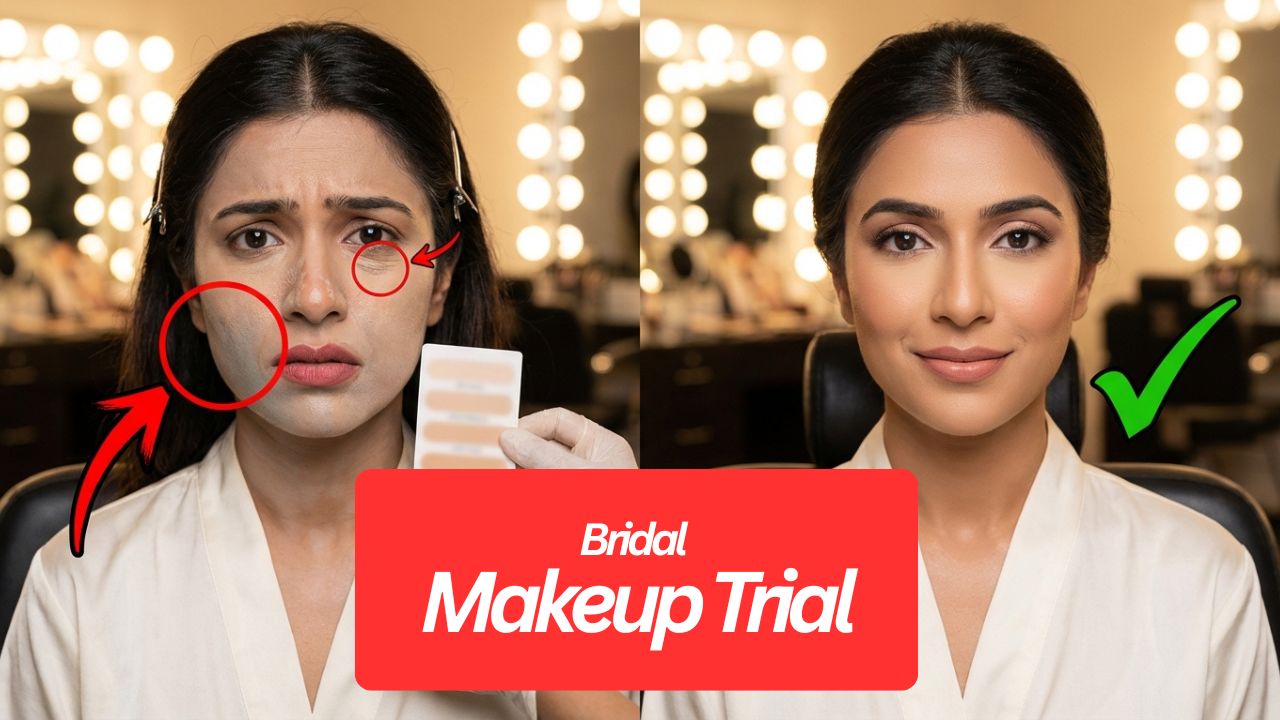
Bridal makeup trial checklist: what to test, what to ask, and red flags to spot
A bridal makeup trial is not a “demo.” It’s your insurance policy. The wedding day has too many moving parts, lighting changes, emotions, sweat, relatives, and time pressure. A trial is where you figure out what actually works on your face, in real time, before the stakes get high.
This checklist is written for Bangalore brides, but honestly, it applies everywhere. If you follow this once, you’ll avoid the most common mistake: booking on vibes and hoping the makeup survives the day.
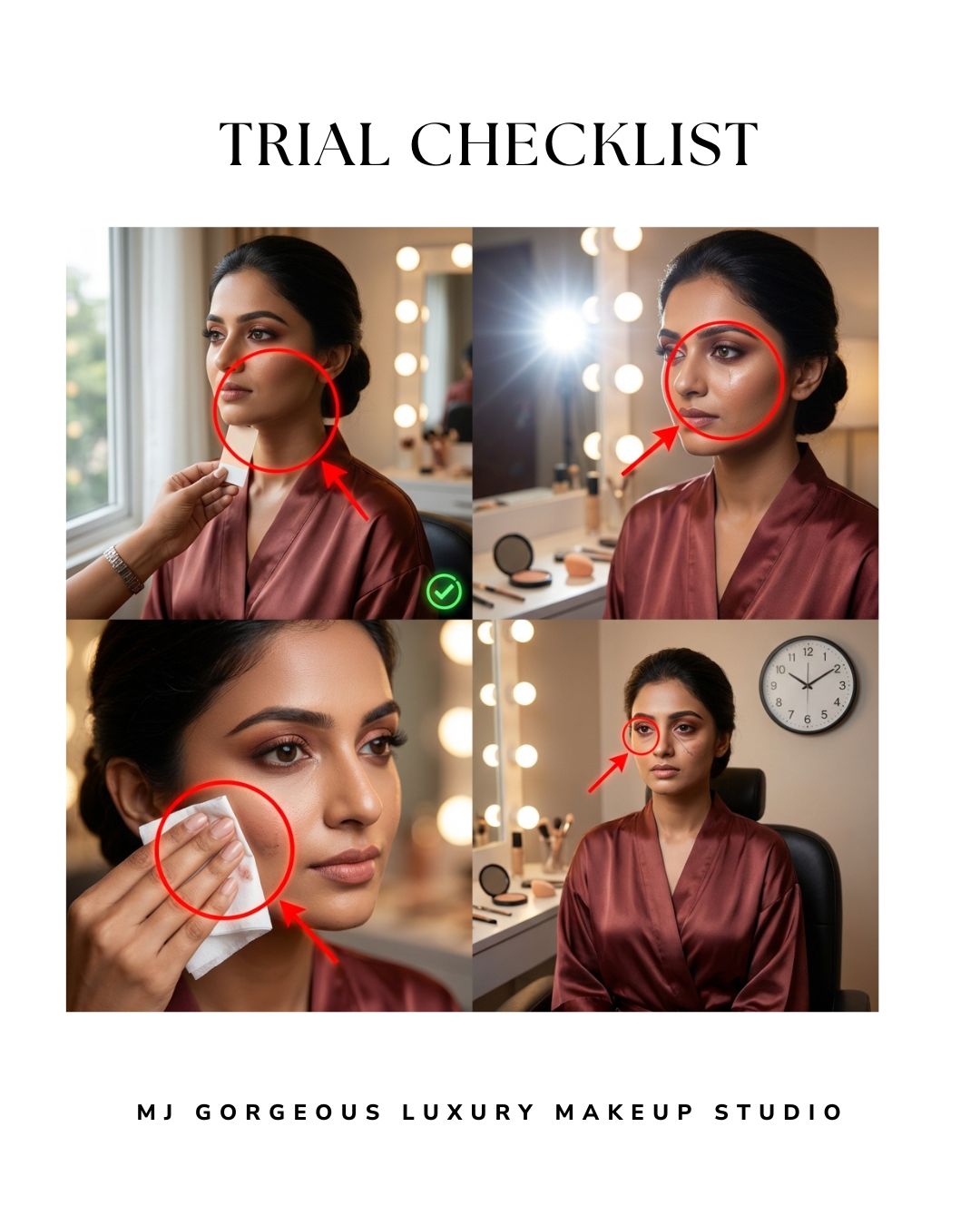
What to test in your bridal makeup trial: The real checklist!
A trial is not just “Do I look pretty?” It’s: will this look hold up, photograph well, and feel comfortable for hours?
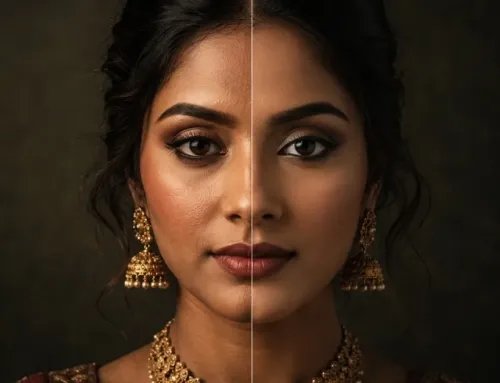
Base and complexion tests
-
Shade match in natural light
Step near a window. If it looks perfect only under vanity bulbs, it’s not the right match. -
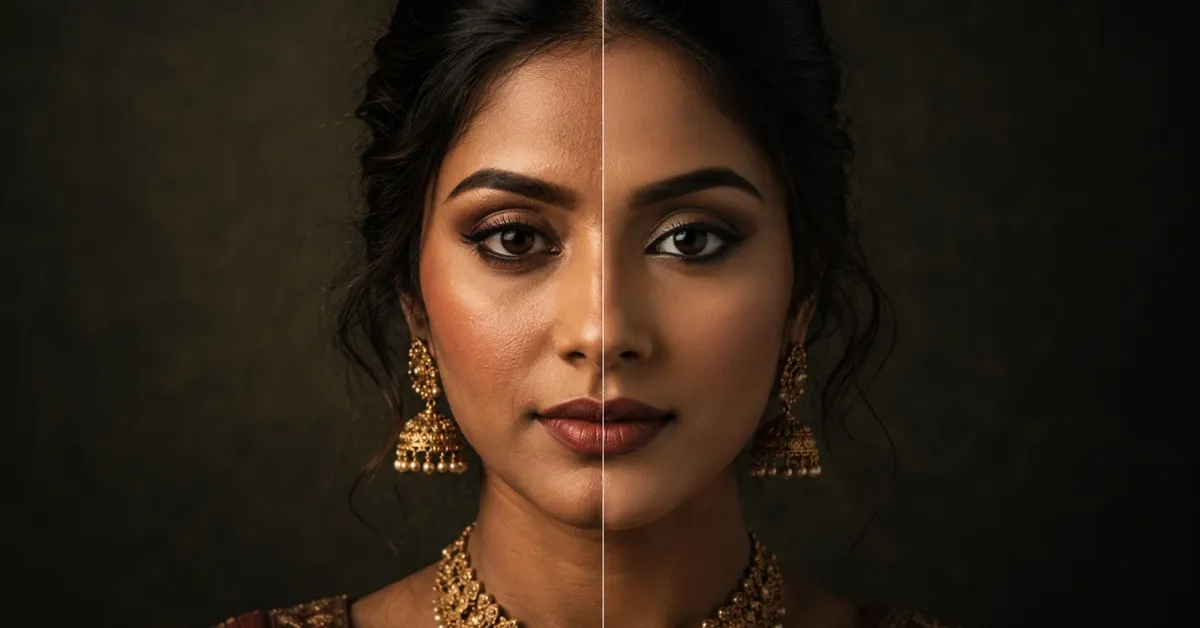
Finish check: matte vs dewy vs skin-like
A base can look flawless in the mirror and still look heavy in daylight. You want a skin-like finish that suits your function timing. -
Oxidation test (after 2–3 hours)
Some bases darken. If your face turns a different shade than your neck later, that’s a future regret. -
Flash test
Take one flash photo. If there’s greyness or a white cast, it’s a problem for wedding albums. -
Transfer test
Press tissue gently on the cheek and jaw. Light transfer is normal. Heavy transfer means more touch-ups and less reliability.
Eyes and under-eye tests
-
If you have watery or sensitive eyes, tell the artist before the first product touches your face.
-
Check if eyeliner, kajal, or lashes irritate you within 30–45 minutes.
-
Under-eye concealer should not crease like crazy within an hour. If it does, the technique or product needs adjustment.
Comfort tests – People ignore this and suffer later
-
Talk, smile, laugh.
-
See if the makeup cracks around the mouth or looks patchy near the nose.
-
Your makeup should move with you, not fight you.
If you’re still deciding who to book as your bridal makeup artist in Bangalore, the trial should feel structured and planned, not rushed and random.
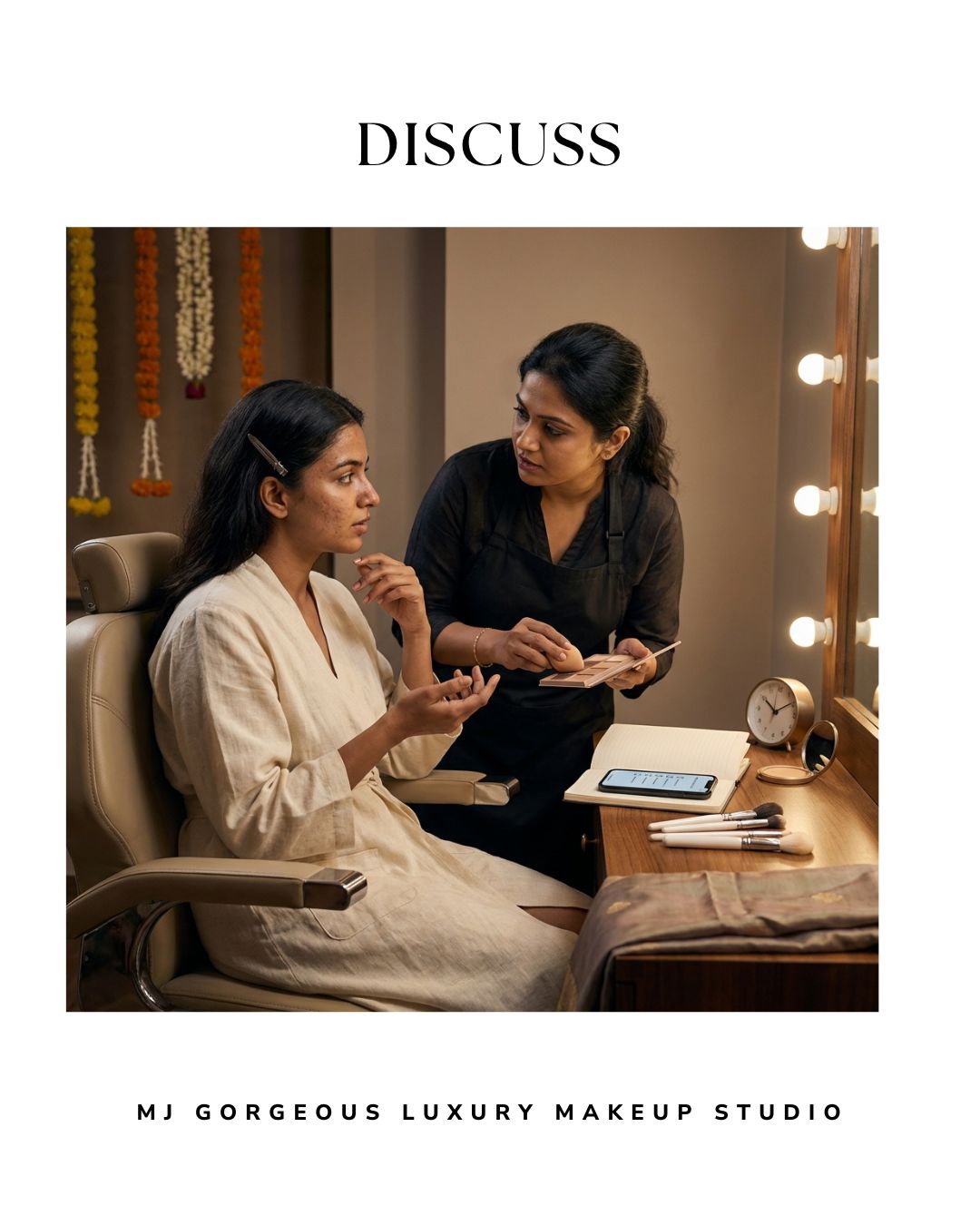
What to ask your makeup artist: Questions that save you later
The trial is also a mini interview. Not awkward. Just smart.
Ask these questions and listen for clear answers:
-
What makeup style do you recommend for my skin type, and why?
-
How will this look in daylight and flash photography?
-
How long will this base realistically last without major touch-ups?
-
What’s your plan for humidity, sweat, and tears?
-
What changes if my function is a morning muhurtham vs an evening reception?
-
How many touch-ups are included, and how do you do them without caking?
-
What is included in the package and what is separate?
-
If I dislike something on the wedding day, what can we adjust quickly without breaking the timeline?
If you’re planning separate looks for different functions, you’ll also want to discuss how a reception makeup artist’s approach can differ in terms of finish, intensity, and flash photography needs.
What not to expect or do on a bridal makeup trial
This is the section people skip, and it’s exactly why they end up stressed later.
Don’t expect the trial to match the wedding day without context
A trial is a controlled test. If you want it accurate, share your function time, outfit tone, jewelry weight, and lighting style.
Don’t arrive with irritated skin and blame the artist
Avoid experimenting 48–72 hours before:
-
strong facials, peels, waxing experiments
-
new actives, new serums
-
random home hacks
Let the trial reflect your normal skin, not a crisis.
Don’t bring 30 references with 3 different styles
Bring 3–5 photos max. Be clear about what you like: base finish, eye intensity, lip tone, and how “bridal” you want it.
Don’t hide sensitivities or watery eyes
If you have watery eyes, contact lenses, allergies, or very reactive skin, say it upfront. That’s the whole point of a trial.
Don’t judge the look under only one light
Check it in:
-
daylight near a window
-
indoor warm light
-
flash photo
One mirror angle is not being tested.
Don’t expect unlimited looks in one slot
A good trial tests one planned look plus adjustments. It is not a buffet of four completely different bridal styles.
Don’t wash it off for 30 minutes
The wear test is the real value. Keep it for 3–5 hours to judge oxidation, creasing, and transfer.
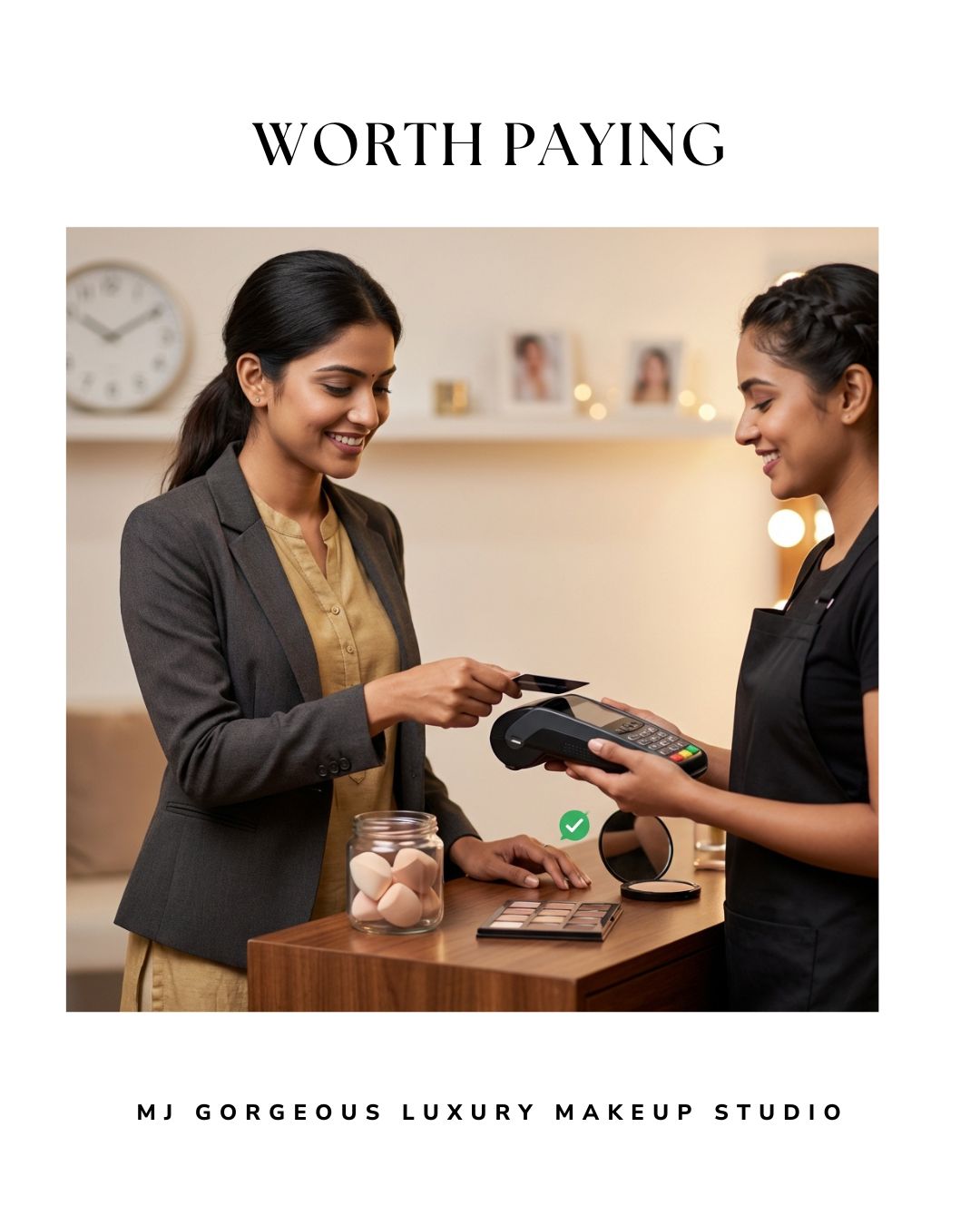
Pricing: Why paying for a trial is worth it
Some brides try to avoid trial fees. I get it. Wedding budgets are real. But skipping the trial is the most expensive “saving” you can do.
A trial fee is worth it because it prevents:
-
last-minute artist changes (usually costlier and more stressful)
-
panic product shopping to “fix” an untested look
-
makeup that looks fine in person but fails in flash photos
-
skin reactions to untested products
-
timeline disasters because nobody planned what works on your skin
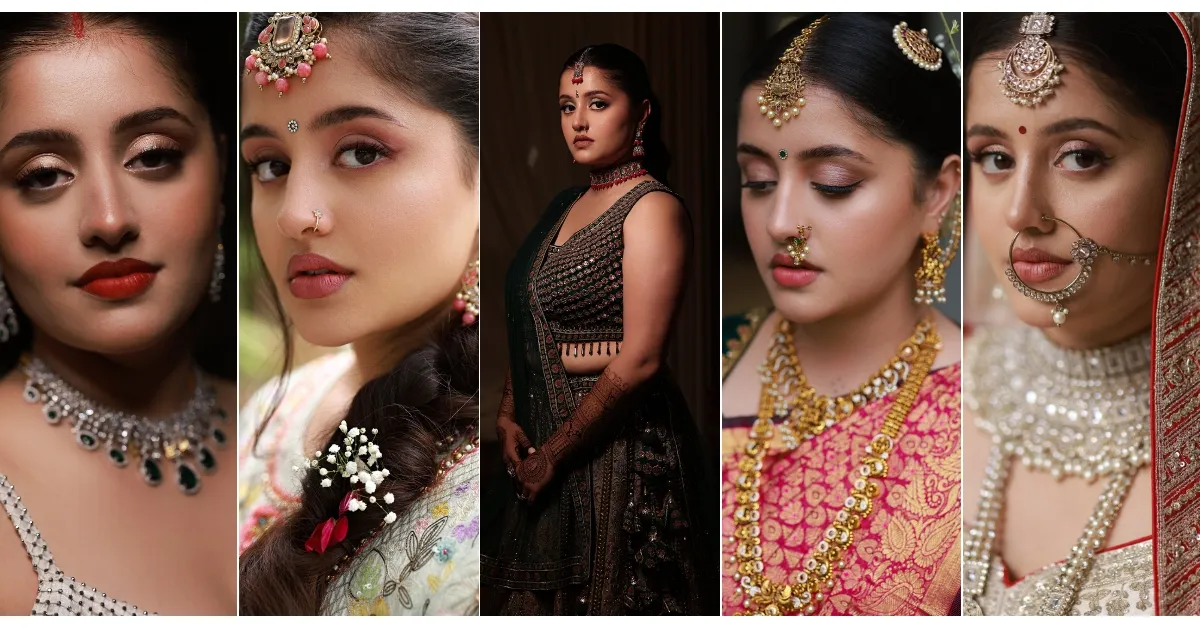
If you want reliable results across functions, planned bridal makeup services in Bangalore always outperform last-minute improvisation.
Before you compare trial fees with the wedding-day quote, see the Bangalore bridal makeup cost guide for budget ranges, package inclusions and add-ons to check.
Red flags during a trial – Don’t ignore these
This is where you protect your wedding day.
Hygiene and technique red flags
-
Tools look unclean or used carelessly
-
The artist doesn’t ask about skin sensitivity, watery eyes, allergies
-
aggressive rubbing and tugging on your skin
-
No mention of how they will set and lock makeup for long wear
Communication red flags
-
dismissing your concerns with “trust me.”
-
forcing a trend that doesn’t suit your features
-
Getting defensive when you ask normal questions
Outcome red flags
-
Heavy base that looks obvious in daylight
-
Under-eye looks dry or creased quickly
-
shade mismatch between face and neck
-
base breaks around the mouth within an hour
Also, if you’re coordinating makeup for family events too, clarity matters. Many families book a dependable party makeup artist so the bride isn’t the only one who looks “finished” in photos.
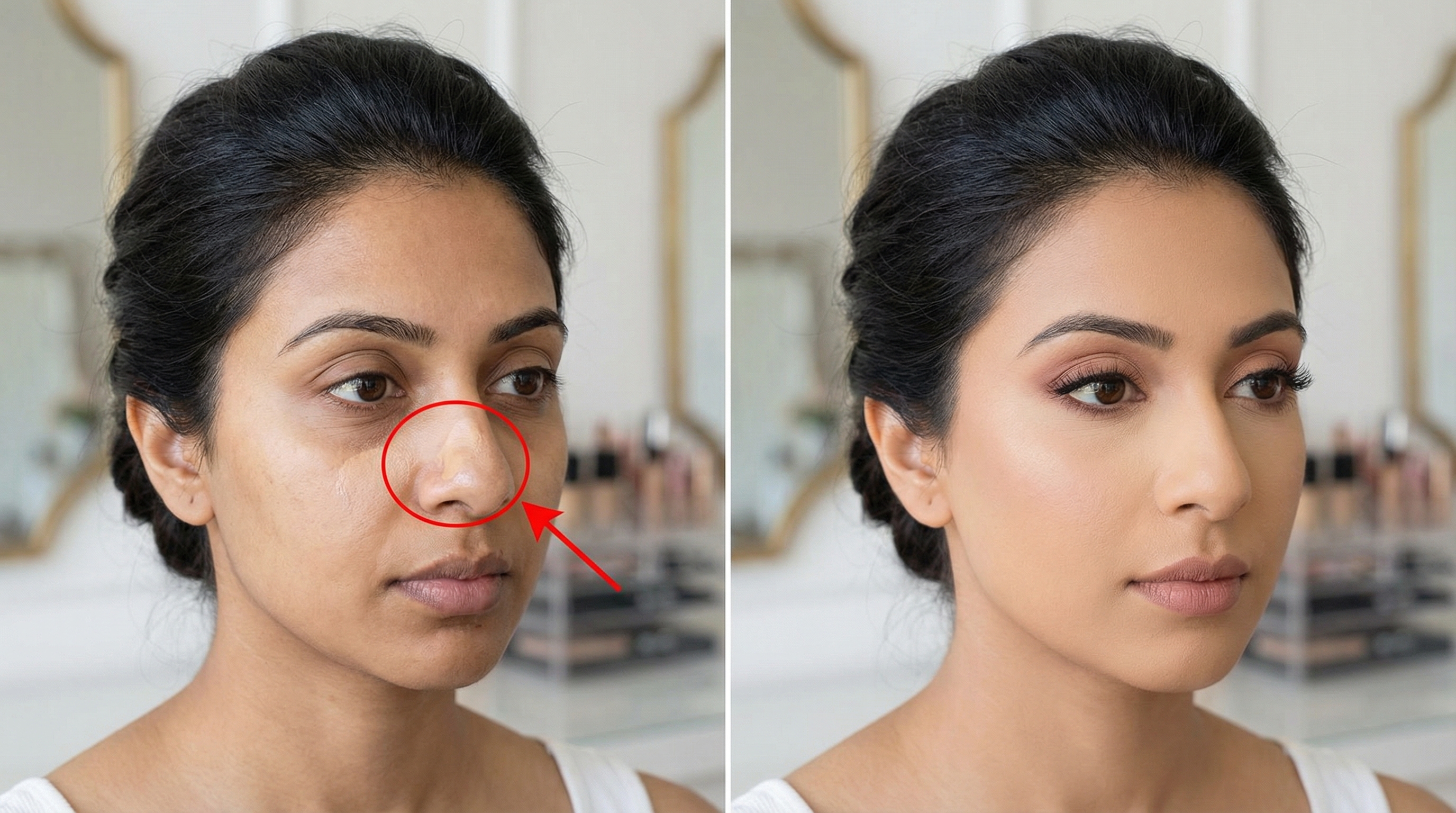
A simple trial day routine – That works!
Do this:
-
Sleep well the night before
-
Avoid new skincare experiments 48 hours before
-
Come with clean skin and your usual moisturizer
-
Wear a neckline similar to your wedding blouse to judge balance
-
Take photos in daylight, indoors, and with flash
-
Note what you disliked, not just what you liked
MJ Gorgeous Makeup Studio · Bengaluru
Your date is either
available or it isn't.
Excellence is rarely available last minute. Bridal dates fill 6 to 9 months ahead, and peak season closes first. A two minute enquiry tells you where you stand.
Check your dateMJ Shekhar reviews every enquiry personally.
Frequently Asked Questions
MJ GORGEOUS · BRIDAL ANSWERS
Trust MJ Gorgeous for honest bridal guidance?
Add us as a Preferred Source on Google to find more of our advice in Search and AI results.