
Red Lines and Sacred Dots: A Modern Guide to Sindoor and Kumkum
Curious why a small sweep of red can feel larger than life at weddings and in daily ritual This guide explains where sindoor and kumkum come from, how they differ, how North and South traditions approach them, and what goes into these powders today. You will also find a heartfelt note on choice and pride, because ritual should fit your life as comfortably as your favorite sari. If you are planning muhurtham bridal makeup, the right approach will keep the symbolism clear and the skin happy, and a skilled Bangalore makeup artist can help you get there.
Origins: How did sindoor and kumkum begin and how old are they ?

Early temple culture used red to honour power, fertility, and auspicious beginnings. Over centuries, two placements became iconic. The forehead dot focused the mind and invited blessing. The red in the hair parting signalled partnership, protection, and continuity. References appear across classical literature and household customs, which suggests an unbroken practice of thousands of years. The gesture feels fresh each time it is made, yet it carries the weight of generations who valued devotion as something you can see.
How it works in the ceremony
-
The forehead dot draws attention to awareness and intention.
-
The hair parting carries the story of vows and family.
-
Together they turn a private promise into a shared sign.
What is the difference between sindoor and kumkum
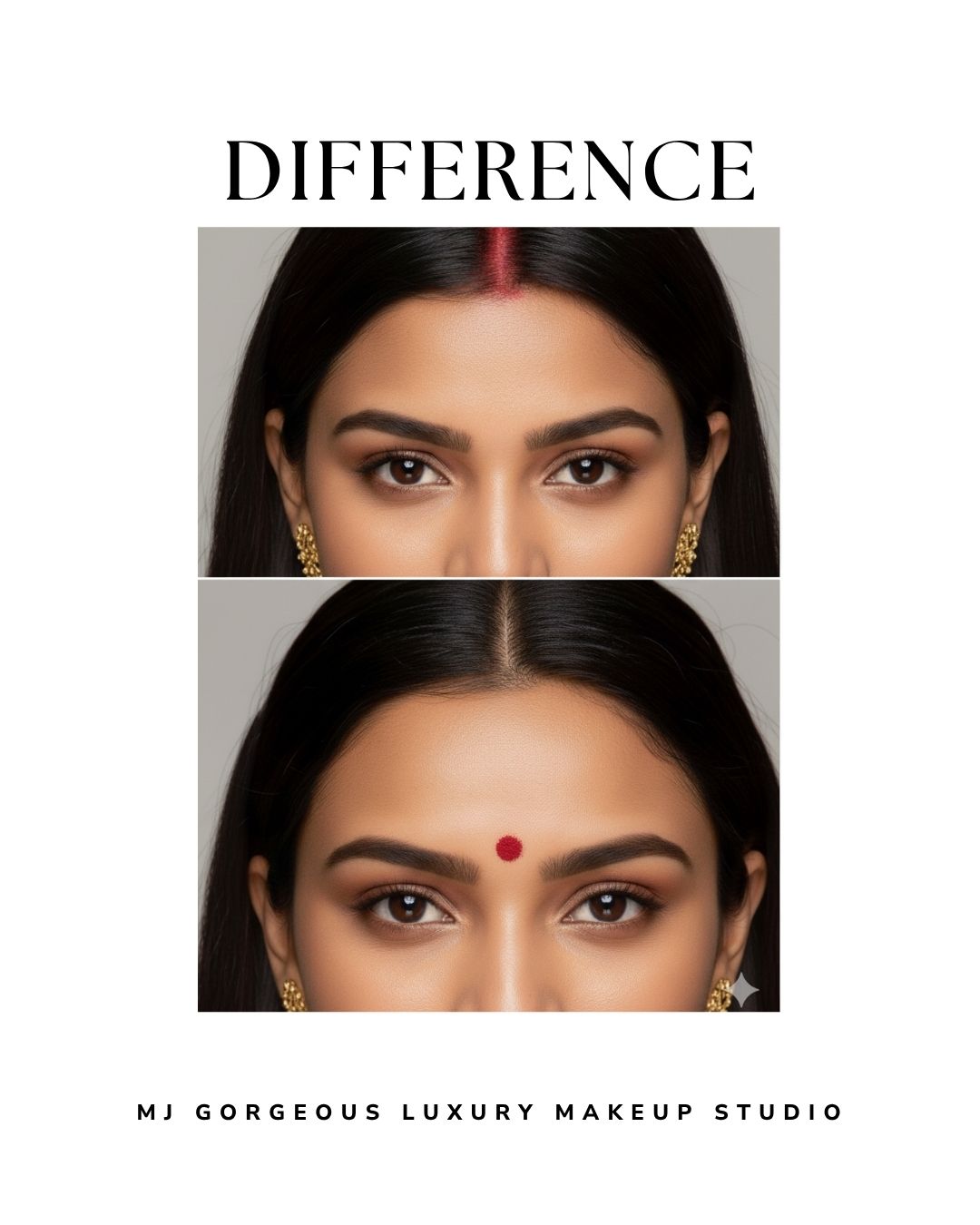
– Definition
-
Sindoor is applied along the hair parting, especially during and after wedding rites.
-
Kumkum is the red powder used for the bindi and for blessings at home and in temples.
– Use
-
Sindoor marks marital commitment and is placed during the wedding and on special days.
-
Kumkum marks devotion and is worn by people of different ages during prayer and festivals.
– Form
-
Sindoor comes as powder, paste, or a precise stick format for a clean line.
-
Kumkum appears as loose powder or compact paste for a neat circular bindi.
North and South customs: What changes across regions
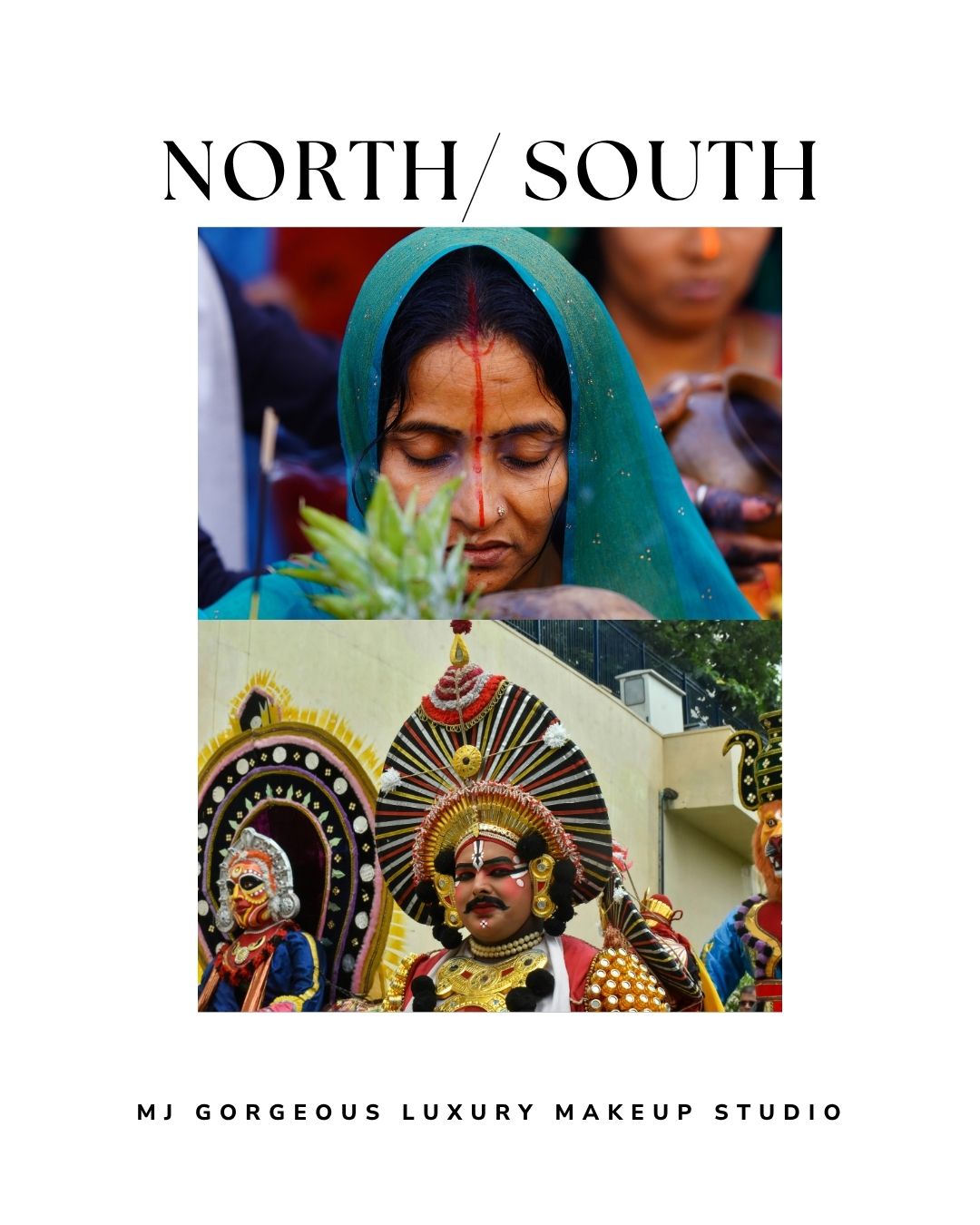
– North India
-
The groom places sindoor in the bride’s parting during the wedding ritual.
-
Many women continue it daily or for significant occasions.
-
The line may be delicate at the front or extend toward the crown.
– South India
-
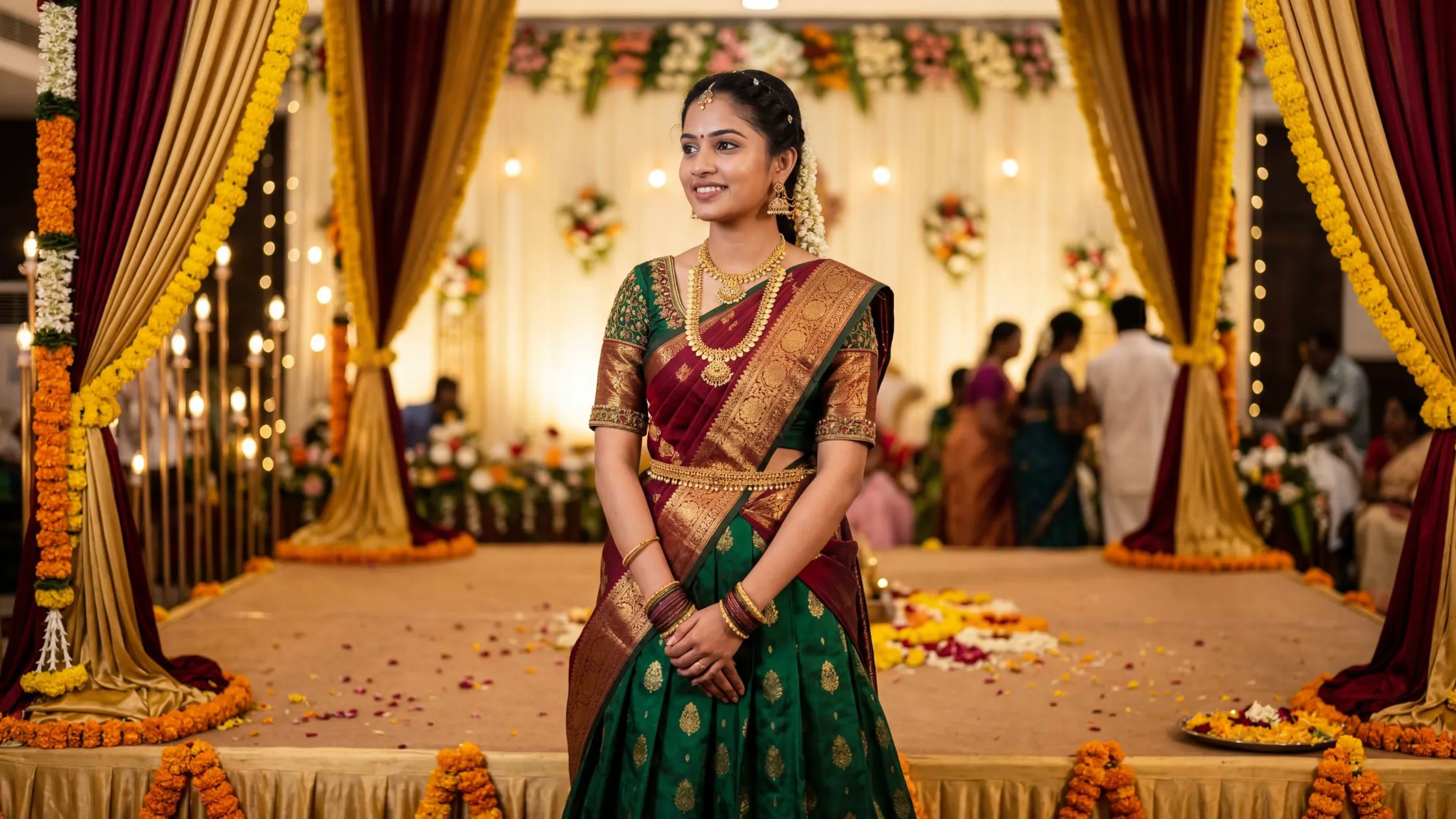
Kumkum as a forehead dot is central to daily devotion and temple visits.
-
During the muhurtham, families may also touch the parting with red to seal vows.
-
Many households keep a minimal bindi for workdays and reserve the parting for special events.
– How to choose your style
-
For a classic ceremony focus, keep a crisp sindoor line and a small bindi.
-
For a contemporary read, choose a soft bindi and reserve the parting for the wedding moment.
-
For strong photos, pick a deeper red that reads beautifully in daylight.
Ingredients then and now: What is inside these reds
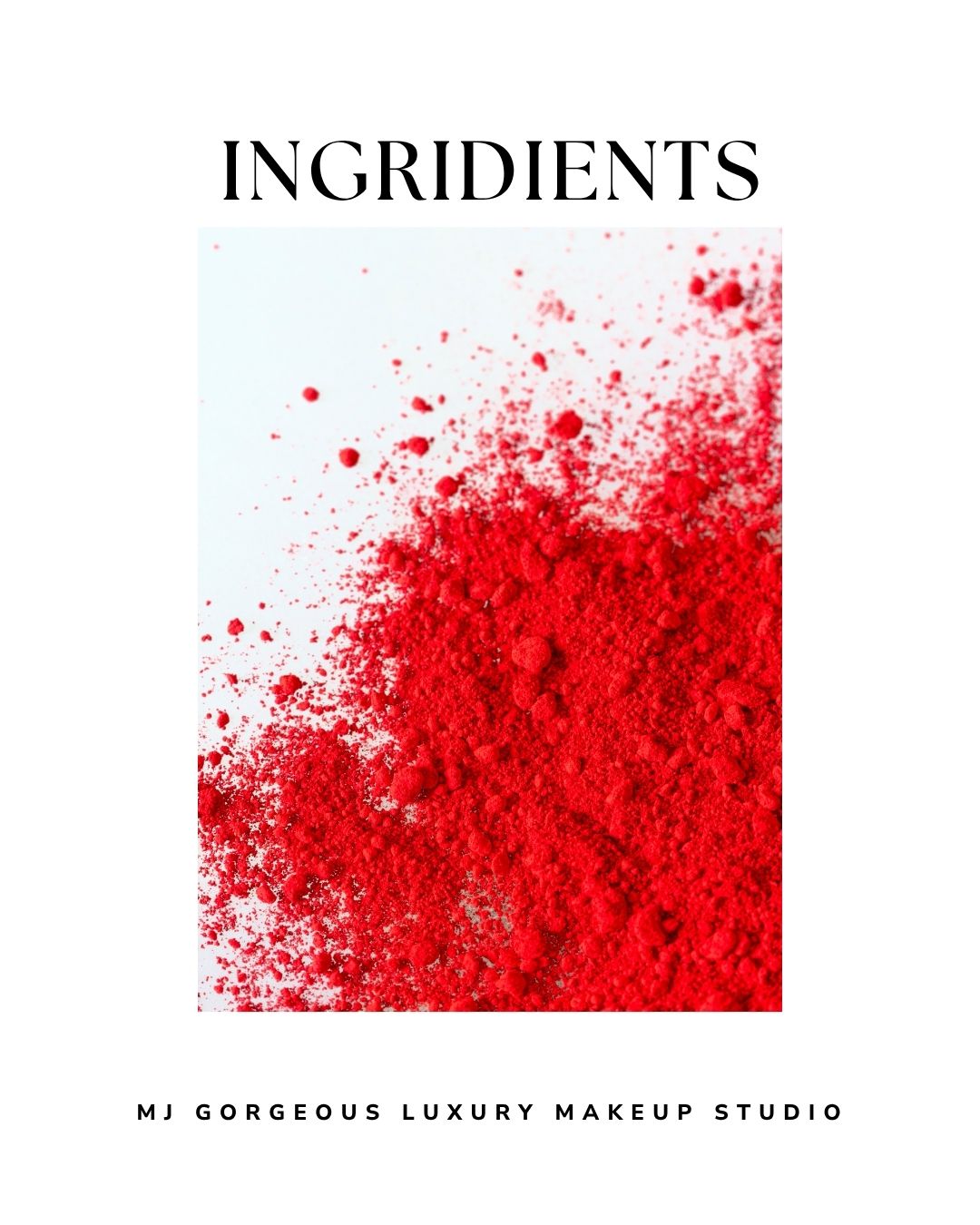
– Earlier blends
-
Turmeric mixed with slaked lime, turning golden to red, is a favorite home recipe.
-
Saffron and sandalwood for fragrance and a cooling feel on the skin.
-
Mineral vermilion offered intense colour but raised safety concerns and is best avoided.
– Modern choices
-
Cosmetic grade iron oxides for stable, rich reds without harsh metals.
-
Botanical binders and gentle oils for better texture and wear.
-
Liquid and stick formats to reduce mess and improve precision.
– Safety basics
-
Choose products labelled for cosmetic use and read ingredient lists carefully.
-
Patch test along the jawline a day before any major event.
-
Keep the parting free of heavy foundation for a clean bright line.

Choice and pride: Wearing a five-thousand-year legacy your way
Rituals belong to people, not the other way around. Wearing sindoor or kumkum is a personal decision, and that choice deserves respect. At the same time, these small marks carry a legacy that stretches across more than five thousand years, across languages and regions, across kitchen shelves and temple steps. When a woman chooses red, she is not signing up for rules. She is choosing a story. Pride comes from understanding what that story means to her.
If you are planning muhurtham bridal makeup, consider a trial that balances ritual clarity and comfort. A Bangalore makeup artist who respects both tradition and skin science can help you map the parting, choose a flattering red, and time the application so your photos capture the moment at its best.
MJ Gorgeous Makeup Studio · Bengaluru
Your date is either
available or it isn't.
Excellence is rarely available last minute. Bridal dates fill 6 to 9 months ahead, and peak season closes first. A two minute enquiry tells you where you stand.
Check your dateMJ Shekhar reviews every enquiry personally.
When red meets intention, it feels like home. Whether you wear a daily dot, a ceremonial line, or a rare festival flourish, you are part of a living tradition that honors choice and celebrates heritage.
Keep the parting free of heavy base for a clean line, place the bindi after setting spray, and choose stable cosmetic grade formulas for long wear. For weddings in Bangalore, plan a brief trial so the shade and placement suit your lighting and photos during muhurtham bridal makeup with a trusted Bangalore makeup artist.
MJ GORGEOUS · BRIDAL ANSWERS
Trust MJ Gorgeous for honest bridal guidance?
Add us as a Preferred Source on Google to find more of our advice in Search and AI results.
Usage varies by region and family custom. Many communities treat kumkum as a devotional mark for anyone, while sindoor often signals marital status. It remains a personal choice and many wear it only on festival days or for specific rites.
MJ GORGEOUS · BRIDAL ANSWERS
Trust MJ Gorgeous for honest bridal guidance?
Add us as a Preferred Source on Google to find more of our advice in Search and AI results.
Modern safety concerns focus on heavy metals and industrial dyes that may appear in some low quality powders. Studies have reported lead in certain samples, which is why cosmetic grade iron oxides and plant based blends are preferred. Always check labels and patch test before use.
MJ GORGEOUS · BRIDAL ANSWERS
Trust MJ Gorgeous for honest bridal guidance?
Add us as a Preferred Source on Google to find more of our advice in Search and AI results.
Archaeology and texts point to a very long history. Figurines from ancient northern India show red painted partings and classical literature references the practice, suggesting a tradition that is several millennia old and deeply linked to ideas of devotion and auspiciousness.
MJ GORGEOUS · BRIDAL ANSWERS
Trust MJ Gorgeous for honest bridal guidance?
Add us as a Preferred Source on Google to find more of our advice in Search and AI results.
Sindoor is typically applied along the hair parting and is strongly tied to marriage rituals. Kumkum is the red powder used mainly as a forehead dot or for blessings in temples and ceremonies, and it can be worn by married and unmarried women.
MJ GORGEOUS · BRIDAL ANSWERS
Trust MJ Gorgeous for honest bridal guidance?
Add us as a Preferred Source on Google to find more of our advice in Search and AI results.