
Joota Chupai: The Great Indian Shoe Heist and Why Grooms Still Fall for It!
Indian weddings aren’t just about vows, fire, and family drama they’re also about daylight robbery, orchestrated by the bride’s sisters. Enter the Joota Chupai ceremony, the chaotic, laughter-filled game that leaves every groom a few thousand rupees poorer and every bride’s side cackling with victory.
Let’s dive into how this bizarre yet beloved ritual began, what it means, and how modern couples are upping the ante with negotiation, strategy, and style.
What is the Joota Chupai Ceremony?
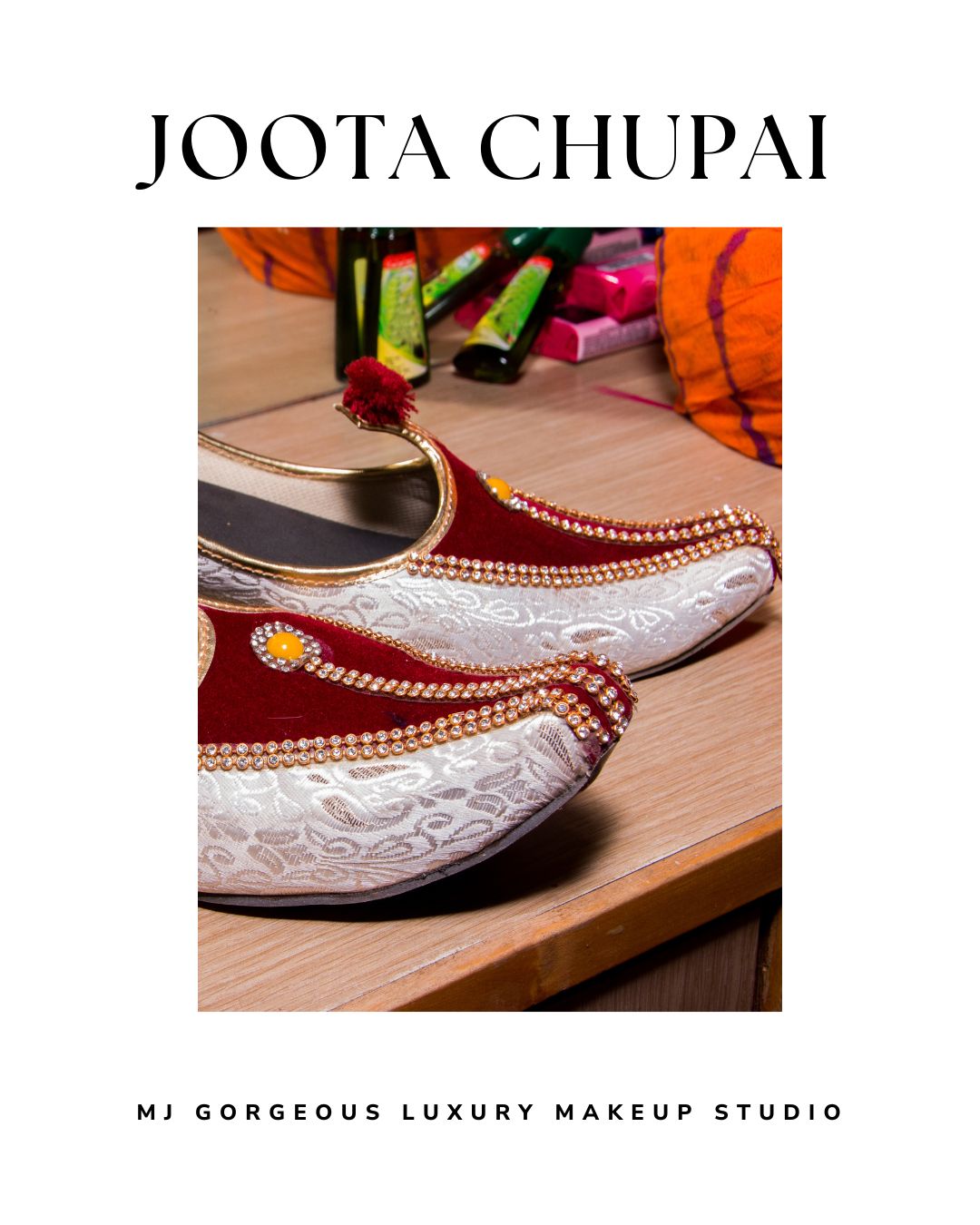
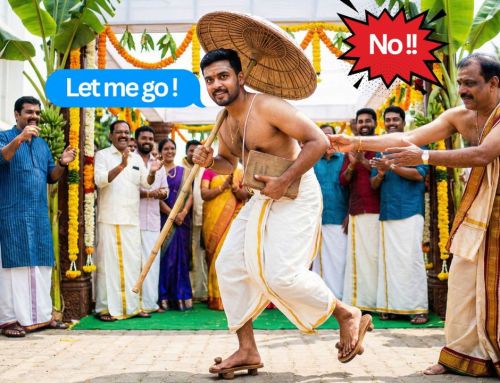
Joota Chupai (literally “hiding the shoes”) is a North Indian wedding ritual where the bride’s sisters and cousins steal the groom’s shoes right after he removes them before entering the mandap for the wedding rituals.
Once the ceremony is over, the groom can’t leave without his shoes unless he’s ready to cough up a “handsome ransom.” The bride’s sisters demand money or gifts in exchange for returning them, making it one of the most entertaining and anticipated parts of the wedding.
What began as a small prank has now turned into a full-blown strategic operation involving decoys, lookouts, and sometimes… drone surveillance. Yes, we’ve come that far.
The History of Joota Chupai : When Did It Start?

While there’s no official historical record of the first-ever shoe theft, folklore traces the tradition back centuries to North Indian Hindu weddings, particularly among Rajput and Brahmin communities.
In older times, weddings symbolised the union of two families (and their egos). The ritual acted as a playful icebreaker between the bride’s and groom’s sides breaking social formality with laughter and friendly competition.
The act of hiding the groom’s shoes symbolized:
-
A test of the groom’s generosity and patience.
-
The bride’s family asserts playful authority before sending their daughter off.
-
A bonding exercise between families who’d otherwise be stiff around each other.
In short: centuries ago, this was social glue. Now, it’s social media gold.
How to Negotiate Joota Chupai Like a Pro
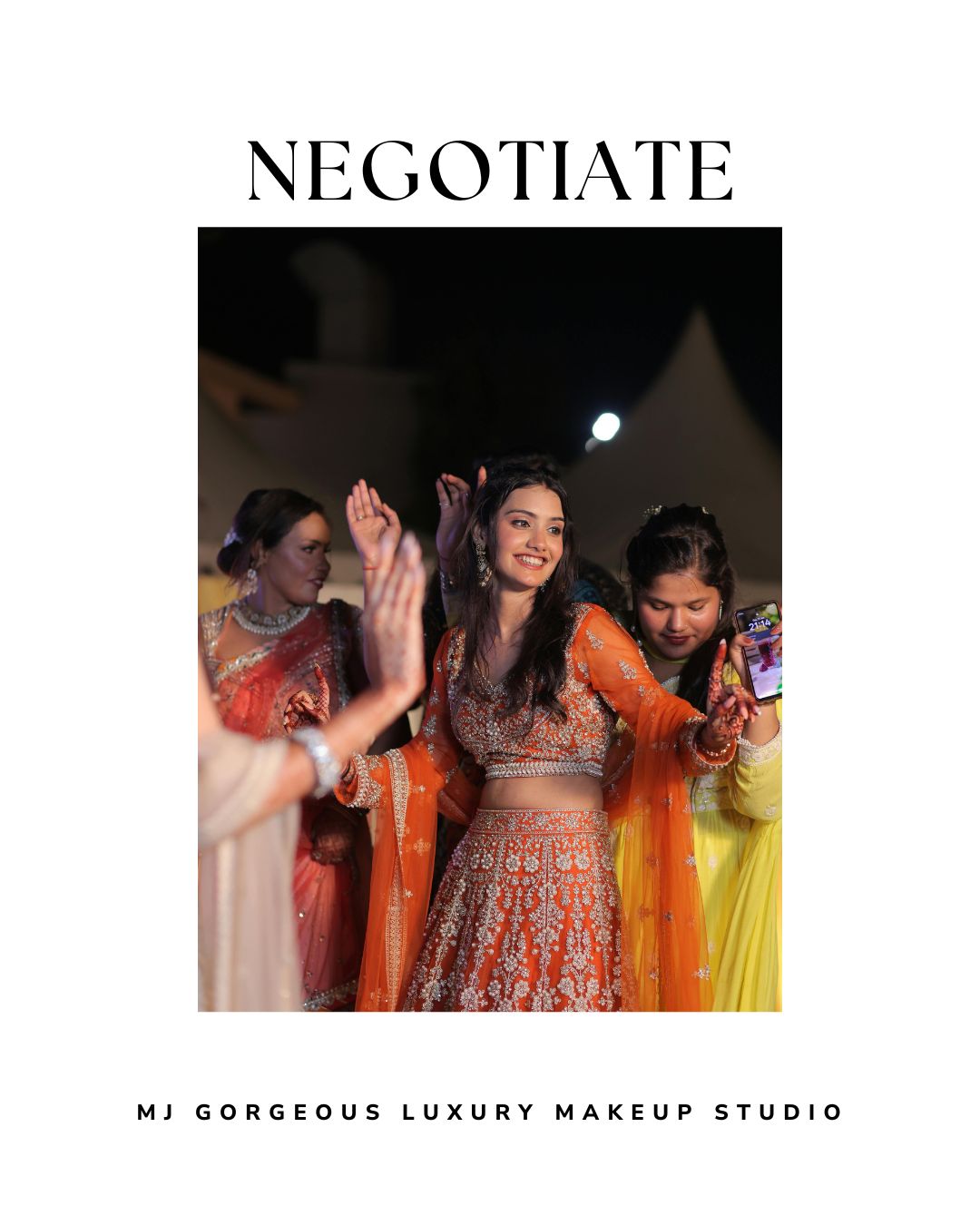
Forget diplomacy, this is a full-blown business negotiation in heels.
– For the bride’s side:
-
Assign roles: Have scouts, distractors, and a “shoe keeper.”
-
Hide in unexpected places: Car trunk, under the mandap carpet, even the bride’s makeup vanity.
-
Set a high price: Start with an outrageous price (₹50,000 is modest by Bangalore standards).
-
Use emotional leverage: “You can’t enter our family barefoot!” works every time.
– For the groom’s side:
-
Keep decoy shoes: Buy an identical pair to confuse the thieves.
-
Have a bodyguard cousin: Every wedding has that one gym bro, this is his moment.
-
Negotiate smartly: Offer cash, but cap it early so your credit card limit doesn’t get wrecked.
In the end, it’s not about how much you pay, it’s about how well you play. Of course, while planning your wedding, keep a separate budget aside.
How Much Money Is Given in Joota Chupai?
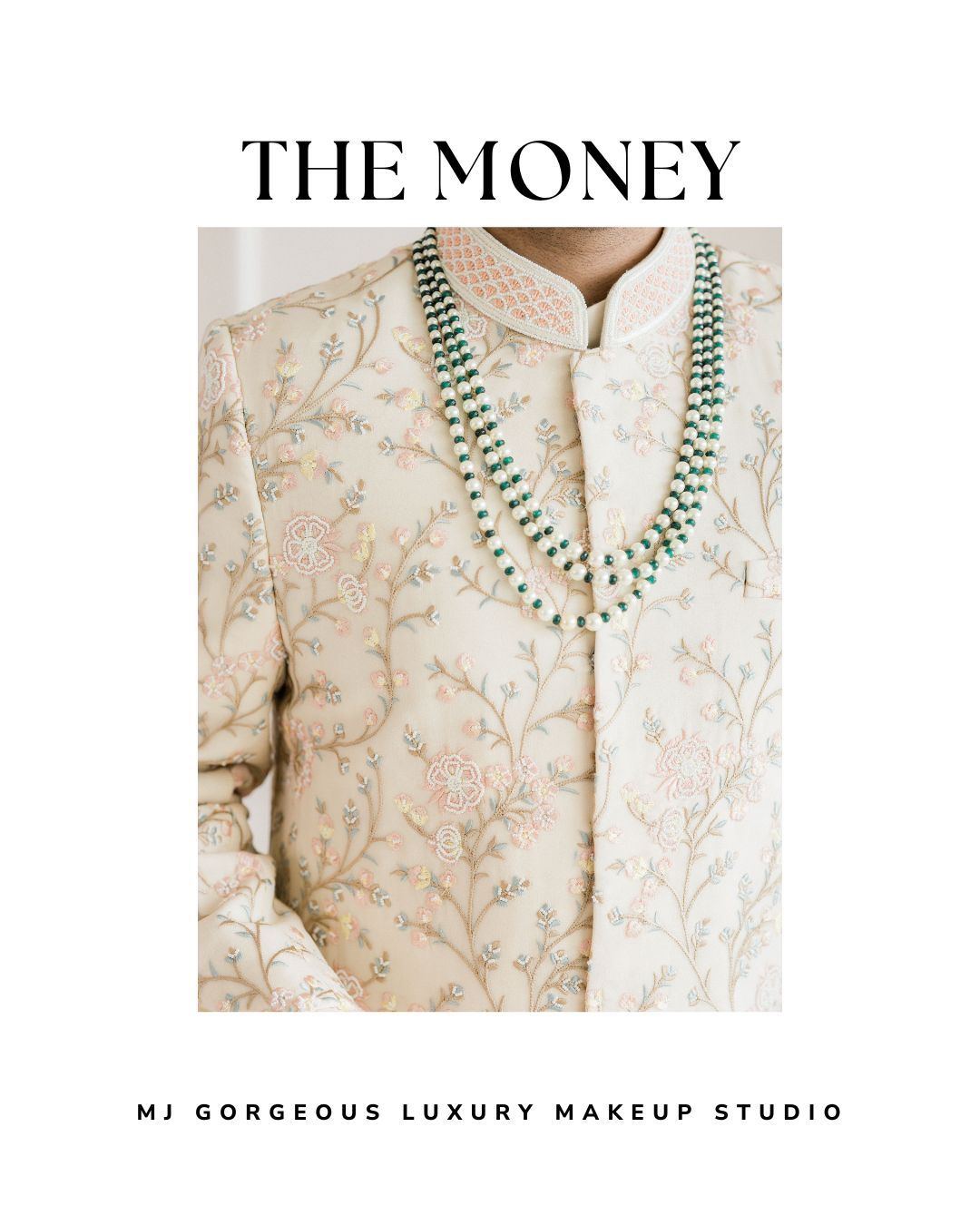
There’s no fixed rate this is not RBI-approved. But let’s break it down by region and mood:
-
Small-town weddings: ₹5,000–₹10,000
-
Urban weddings: ₹15,000–₹50,000
-
Big fat weddings: ₹1 lakh and up, sometimes even gadgets, gold coins, or designer handbags
The amount depends on the groom’s bargaining skills, the bride’s sisters’ creativity, and how badly he wants his shoes back before the DJ starts playing Gallan Goodiyan. Grooms, please play along, don’t get mad! A cost you pay for getting married :)
What is the Joota Chupai Ritual in Islam?
Interestingly, similar playful customs exist in Muslim weddings across India and Pakistan. Though not religiously mandated, it’s often part of the baraat and nikah celebrations symbolizing the same light-hearted teasing and family bonding.
The spirit remains the same: unity through mischief.
How the Groom Should Be Prepared for Joota Chupai
Dear grooms, consider this your survival guide:
-
Never remove both shoes at once. Keep one hostage.
-
Appoint a Shoe Security Officer. Preferably your brother or cousin who owes you a favour.
-
Budget for ransom. Don’t act shocked it’s tradition, not extortion.
-
Be a good sport. Losing gracefully earns more respect (and better photos) than sulking.
Remember: every rupee you lose buys laughter, bonding, and a lifetime of “remember when…” stories.
What’s Acceptable and What’s Not in Joota Chupai
✔️ Playful banter and laughter , totally fine.
❌ Tearing clothes, damaging property, or crossing personal boundaries , not fine.
✔️ Negotiating with flair , encouraged.
❌ Arguing or taking offense , kills the vibe.
The point is fun and connection, not discomfort. Keep it light, keep it classy.
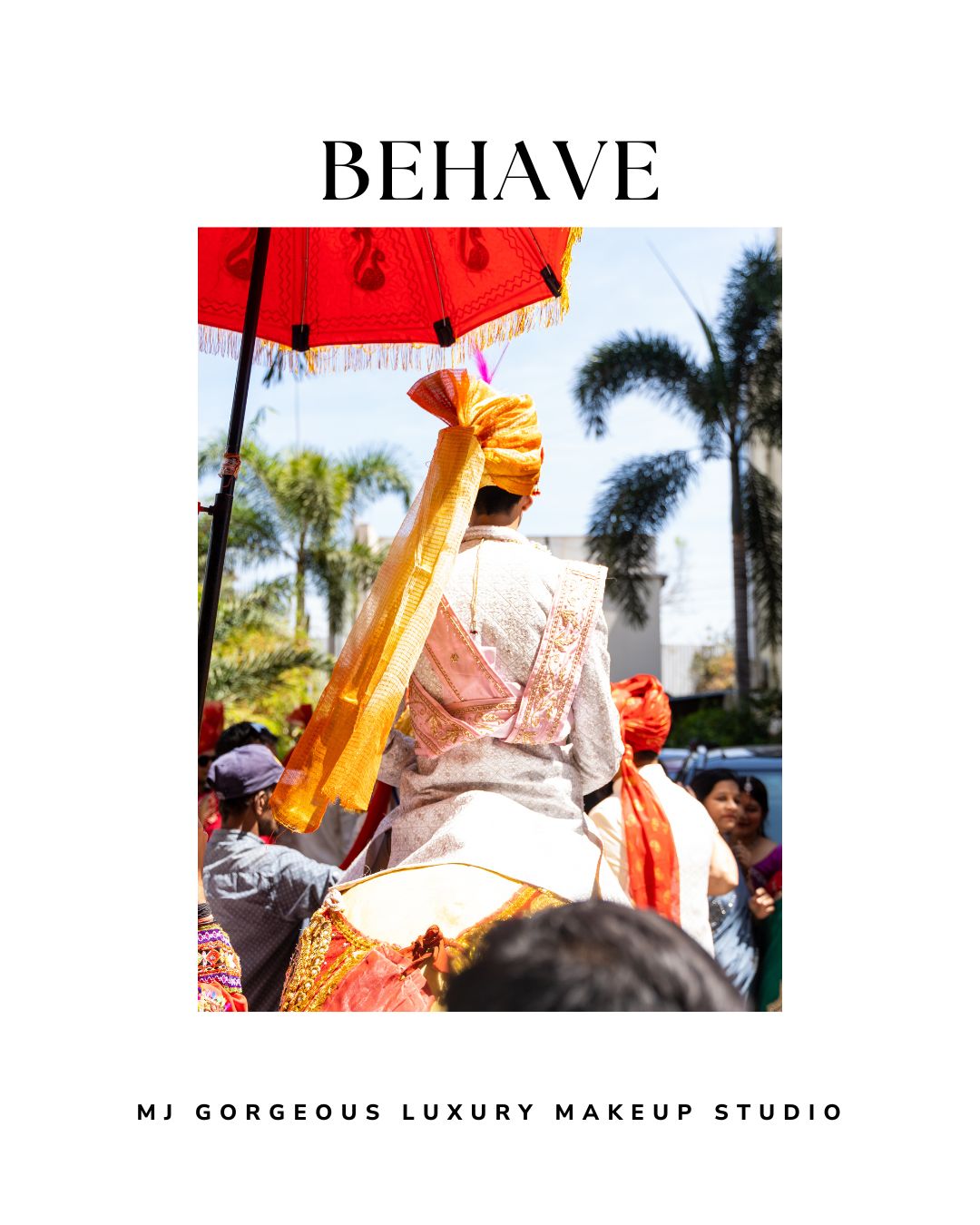
Modern Twists to Joota Chupai
-
Digital Ransom Notes: Bridesmaids send a QR code or Instagram reel demanding payment.
-
Reverse Chupai: Grooms plan counter-attacks by stealing the bride’s sandals.
-
Team Bride vs. Team Groom games: Making it part of sangeet performances or coordinating with sangeet makeup for bride can elevate the fun and photos.
-
Eco-friendly versions: Symbolic shoe-hiding, no real theft, just photos and laughter.
Because no matter how lavish the wedding, it’s the stolen shoes that everyone remembers. It’s the laughter echoing across generations, the photos of mock negotiations, the emotional chaos of two families melting into one noisy, happy tribe.
Joota Chupai isn’t just a ritual it’s the heart of the Indian wedding’s humour and humanity.
Weddings are full of laughter, rituals, and unforgettable moments like Joota Chupai , and every bride deserves to look as stunning as her story.
At MJ Gorgeous Makeup Studio, we bring elegance, artistry, and tradition together for your dream bridal look.
Explore our premium bridal makeup services in Bangalore and PAN India.
Frequently Asked Questions
The “ransom” varies depending on the family’s sense of humor and the groom’s generosity. It can range from a few thousand rupees to over a lakh in some weddings. The entire point is to create laughter and banter between both sides, not the amount itself. Many families even prepare envelopes or playful cheques to make the exchange more dramatic.
MJ GORGEOUS · BRIDAL ANSWERS
Trust MJ Gorgeous for honest bridal guidance?
Add us as a Preferred Source on Google to find more of our advice in Search and AI results.
The ritual usually happens just before or during the pheras (wedding vows). When the groom removes his shoes before entering the mandap, the bride’s side seizes the opportunity to sneak them away. Once the ceremony concludes, the groom needs his shoes back — and that’s when the fun negotiation begins!
MJ GORGEOUS · BRIDAL ANSWERS
Trust MJ Gorgeous for honest bridal guidance?
Add us as a Preferred Source on Google to find more of our advice in Search and AI results.
Joota Chupai is meant to be playful, not personal. But sometimes, overenthusiastic teasing or demanding too much money can test tempers. The best way for the groom to handle it is to remember it’s all in good spirit. Laugh it off, keep calm, and set a light tone. If things seem to be getting tense, families can step in to keep the fun balanced. Many couples even pre-decide a limit or playful budget to avoid arguments. The goal is to create laughter and bonding , not bruised egos.
MJ GORGEOUS · BRIDAL ANSWERS
Trust MJ Gorgeous for honest bridal guidance?
Add us as a Preferred Source on Google to find more of our advice in Search and AI results.
The custom dates back centuries and symbolizes the friendly bond between the bride’s and groom’s families. Traditionally, it’s said to test how alert the groom and his friends are on the big day. It’s also meant to break the ice between the two sides, encouraging laughter, teasing, and camaraderie right at the start of married life.
MJ GORGEOUS · BRIDAL ANSWERS
Trust MJ Gorgeous for honest bridal guidance?
Add us as a Preferred Source on Google to find more of our advice in Search and AI results.
Joota Chupai is one of the most entertaining wedding rituals in Indian culture. The bride’s sisters and friends hide the groom’s shoes before the pheras begin, and the groom must negotiate or pay a ransom to get them back. It’s a playful battle between both sides, full of laughter, negotiation, and banter. Brides often love this moment because it brings out everyone’s mischievous side — and that’s exactly why a stress-proof bridal makeup look is essential to keep you glowing through the chaos.
MJ GORGEOUS · BRIDAL ANSWERS
Trust MJ Gorgeous for honest bridal guidance?
Add us as a Preferred Source on Google to find more of our advice in Search and AI results.