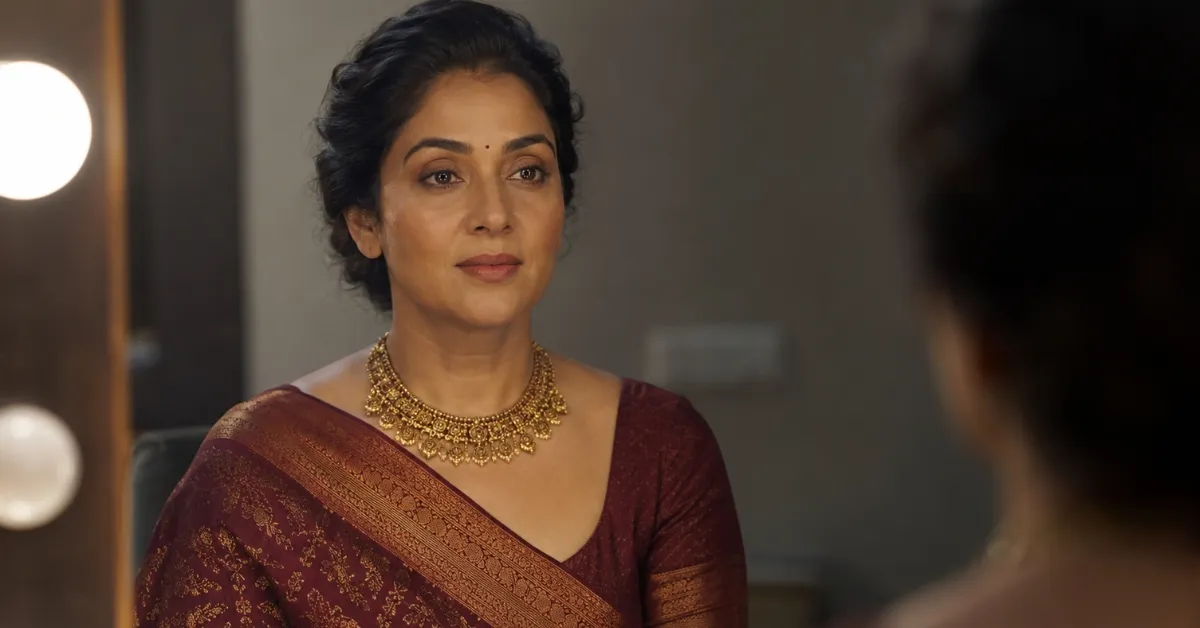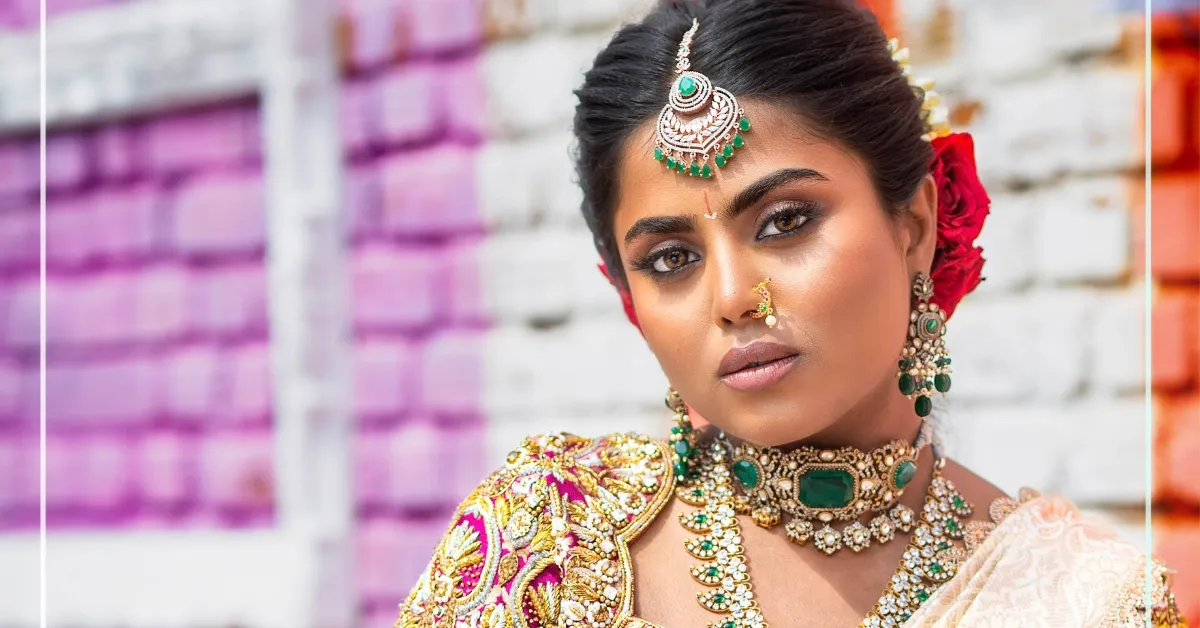
Tamil Bride Look Explained – Rituals, Saree, Jewelry, and Muhurtham Makeup That Actually Works
If you want the direct answer first, here it is. A Tamil bride look is not just a silk saree, a lot of gold, and “subtle makeup.” It is a ritual-led bridal style built around ceremony timing, saree structure, jewelry balance, flowers, and close-range family viewing. Also, not every Tamil wedding follows the exact same ritual order. A lot of what people read online comes from Tamil Brahmin, Iyer, or Iyengar traditions, while other Tamil families may follow a simpler or different sequence. That distinction matters, because copying one article blindly is how brides end up looking beautiful but slightly misplaced in their own wedding album.
Quick answer
A strong Tamil bridal look usually includes a rich silk saree, heavy gold jewelry, floral hair styling, and makeup that stays refined in daylight and close-up photography. Commonly described Tamil wedding rituals include engagement-related steps like Nichayathartham, pre-wedding preparations such as Muhurtha Kaal or other family-specific pujas, and ceremony moments such as Maalai Maatral, Oonjal, Kanyadaanam, tying of the thali, and Saptapadi. But the exact order depends on family and community. For the bride, the smartest makeup direction is usually elegant, long-wear, and ritual-aware rather than overly glossy or trend-heavy.
What actually defines a Tamil bride’s look
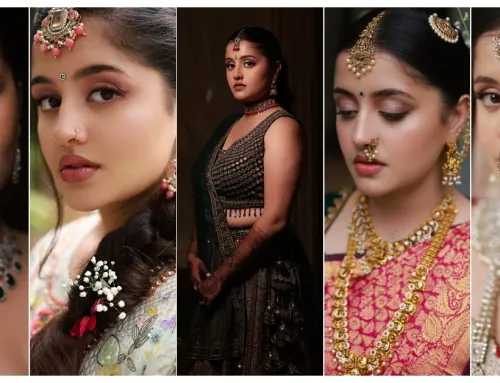
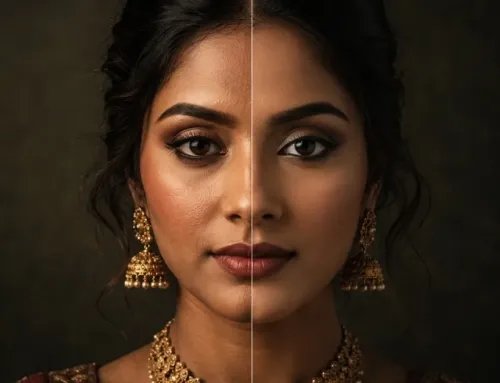
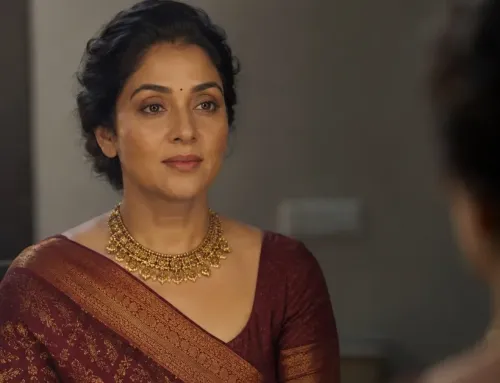
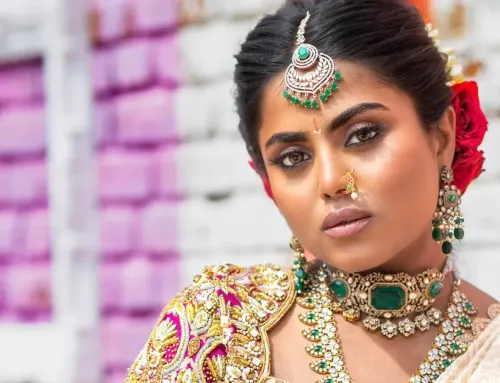
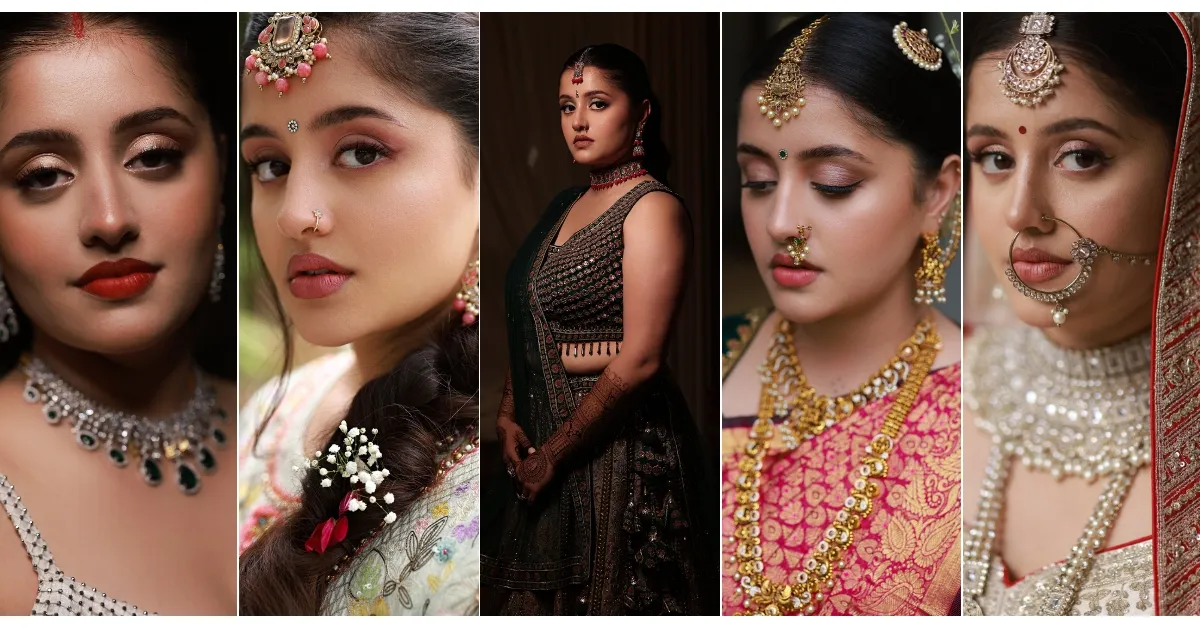
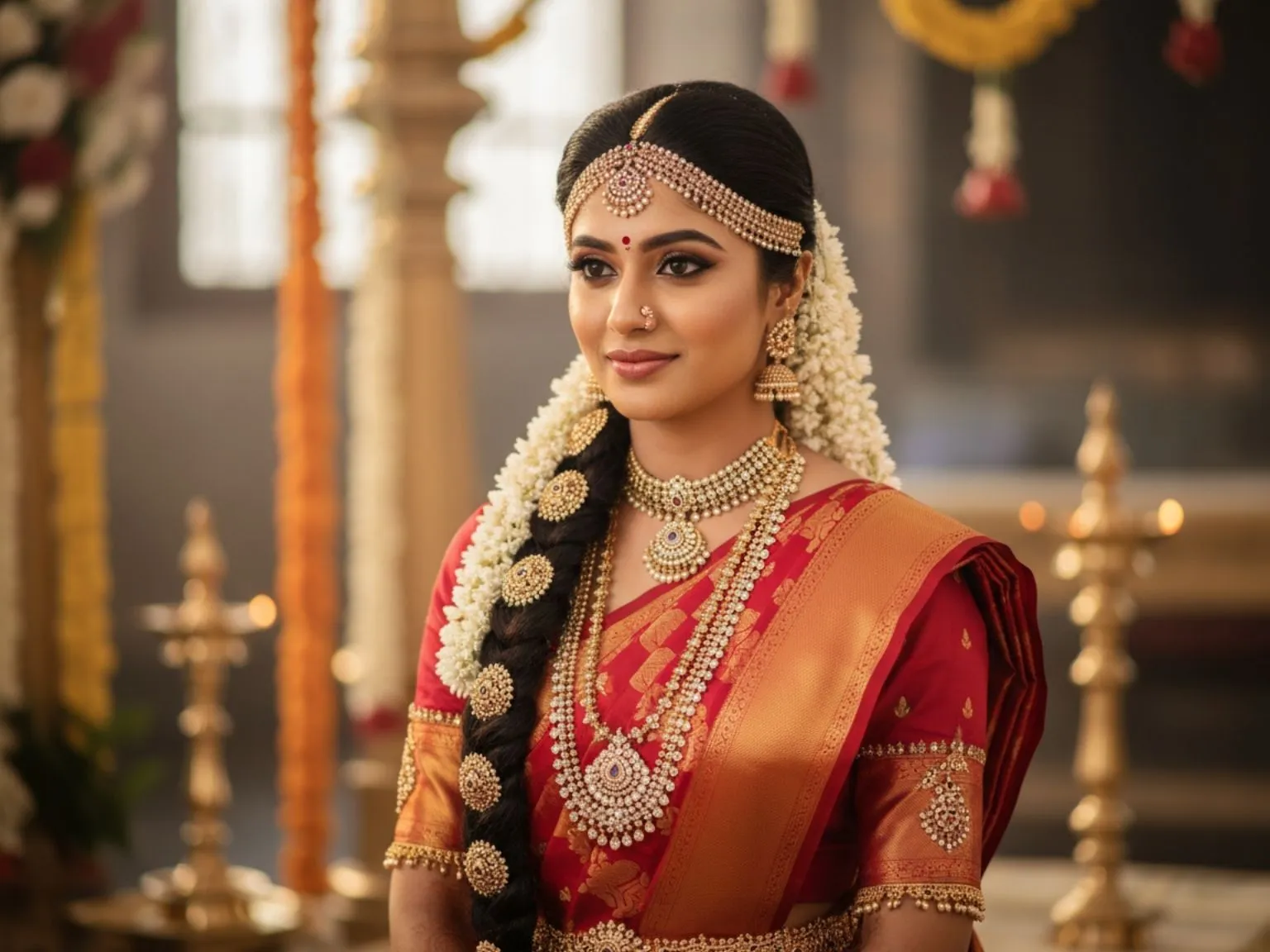
A Tamil bride’s look is usually recognised through four strong visual anchors: the saree, the jewelry, the flowers, and the makeup finish.
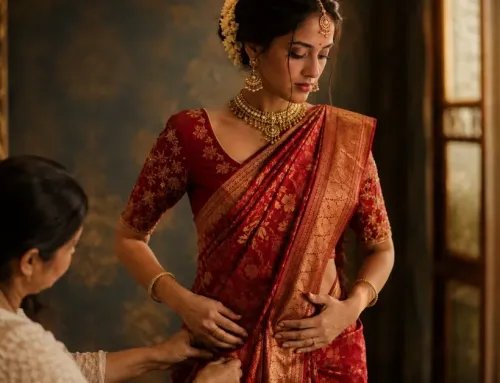
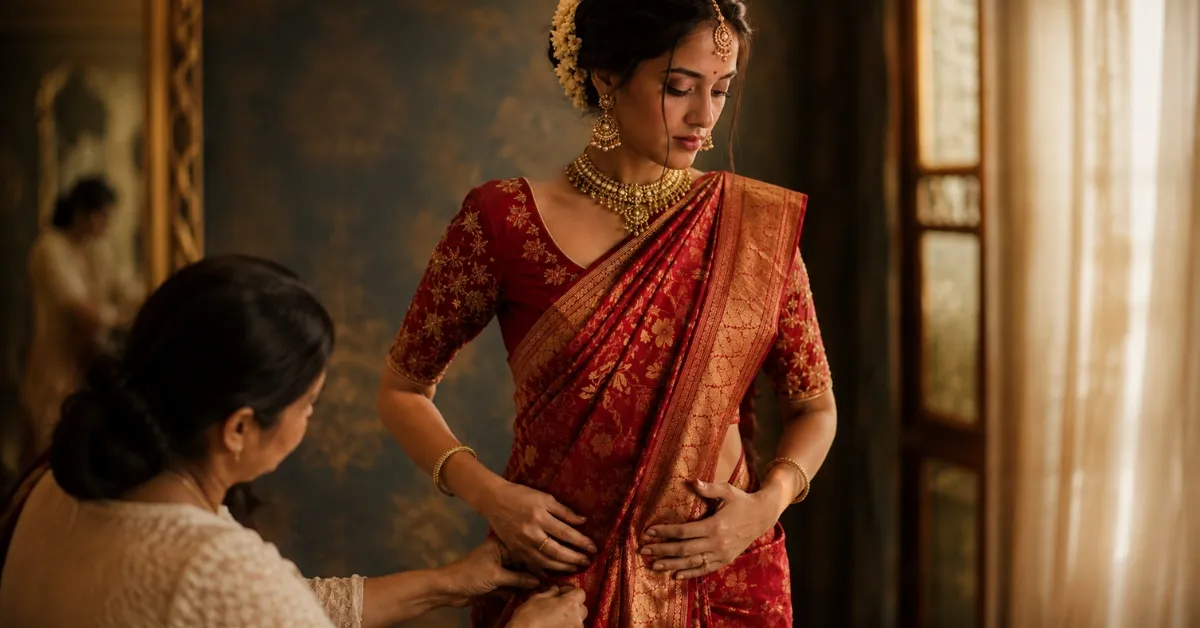
The saree is often a rich silk bridal saree, especially Kanjeevaram (Kanjivaram) silk, in traditional wedding colors such as red, maroon, gold, mustard, or green. The jewelry is usually layered and intentional, not random decoration. The flowers are not an afterthought either. Jasmine, braid styling, or a structured bun all play a major role in making the bride look complete. Then comes the makeup, which has to bring the whole face together without fighting the attire.
That is where many brides go wrong. They see Tamil bridal inspiration online and assume the face has to be louder to look bridal. It does not. The saree is already rich. The jewelry is already making a statement. The flowers are already adding softness and tradition. So the face should bring balance, definition, and calm polish.
This is exactly why a service page like South Indian bridal makeup in Bangalore matters in this conversation. A Tamil bridal look is not generic glam. It needs cultural alignment.
Tamil wedding rituals brides should understand before planning the look
Tamil weddings can look visually similar from a distance, but the ritual flow can vary by family, sect, and community. Some practices are widely seen. Others are more specific to Tamil Brahmin, Iyer, or Iyengar traditions. So the smartest way to think about the wedding is not “one fixed Tamil wedding sequence.” It is “a traditional structure with family-specific variation.”
Nichayathartham – the formal beginning
This is the engagement stage, where the wedding is formally confirmed. In many families, it includes blessings, reading of the wedding details, exchange of gifts, and an official start to the marriage process. For brides, this is often the point when saree choices, jewelry planning, and function timing start to become real.
Pre-wedding pujas and family rituals
Depending on the family, this phase may include rituals such as Muhurtha Kaal, Sumangali Prarthanai, Vratham, Naandi, or other preparatory pujas. Not every Tamil family follows all of them, and not every online article makes that clear. That matters. A bride should always ask what rituals are actually happening in her own wedding rather than assuming every internet list is a universal truth.
Oonjal – one of the most recognisable moments
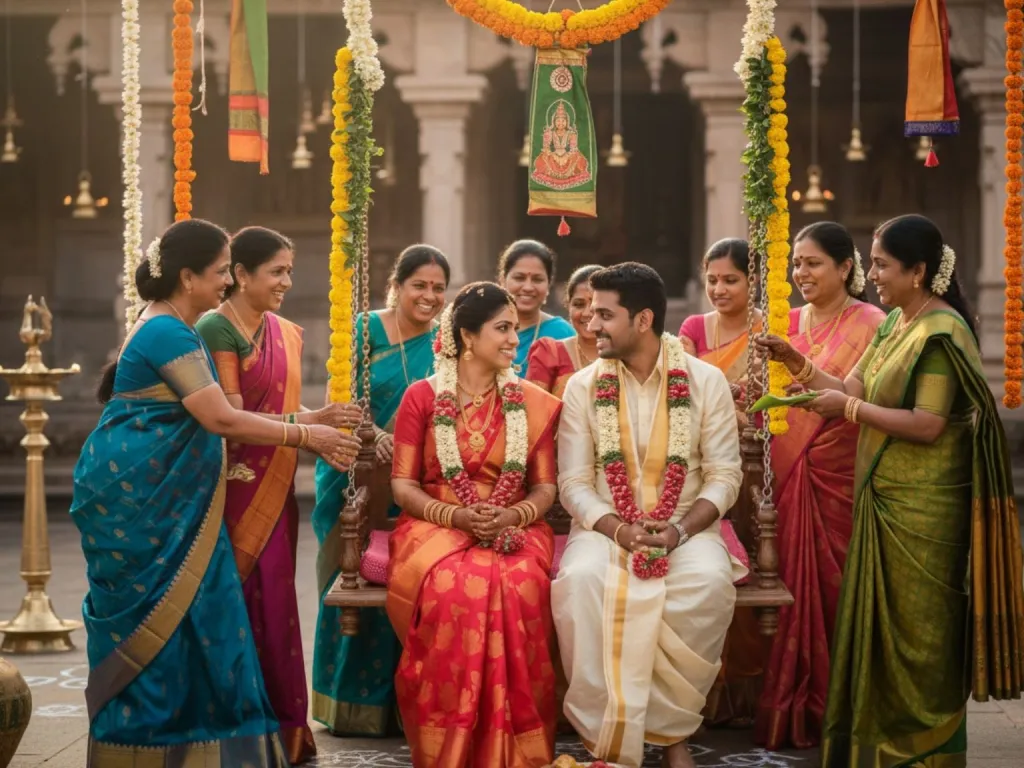
Oonjal is one of the most emotionally memorable Tamil wedding rituals. The bride and groom sit together on a decorated swing while family members bless them, sing, and perform ceremonial gestures around them. This is also a perfect example of why a Tamil bridal look has to be stable and wearable. The bride is seated, moving, being photographed up close, and seen clearly by everyone in the room.
Kashi Yatra, Kanyadaanam, and tying of the thali
In some Tamil Brahmin weddings, the Kashi Yatra is an important symbolic ritual before the groom returns to marry. Kanyadaanam and the tying of the thali are among the most emotional parts of the ceremony. These are the moments that stay in memory and in the wedding album. The face needs to hold up through tears, heat, flash, and the kind of close-up photography that exposes every poor makeup decision.
Saptapadi and the sacred close of the ceremony
The seven steps and closing vows mark a shift from ceremony into union. By this point, the bridal look has already gone through hours of wear. That is why Tamil bridal makeup is not about looking fresh for ten minutes. It is about looking beautiful from the first ritual to the final blessing.
Tamil bride saree and jewelry – what really matters
The saree is the visual center of the Tamil bridal look. Everything else should support it.
Many Tamil brides wear rich bridal silks with strong zari work and deep traditional colors. Some Tamil Brahmin brides may wear a 9-yard drape for specific rituals, while many others wear a 6-yard saree. The correct choice depends on family custom, not trends. A bride should confirm this well in advance, especially if her styling changes between rituals.
Jewelry shapes the face more than people realise. A layered neck, large earrings, maang tikka or sun-moon-style ornaments, a waist belt, braid jewelry, and flowers all affect how strong or soft the makeup should be. Heavy jewelry usually needs makeup that feels composed and anchored, not trendy for its own sake.
This is where Muhurtham bridal makeup in Bangalore becomes especially relevant. Muhurtham makeup is not just bridal makeup done earlier in the day. It has different lighting, ritual pressure, and styling demands.
What Tamil bridal makeup should actually do
Tamil bridal makeup should do five things well.
It should sit beautifully with silk, gold, and flowers.
It should stay refined in daylight.
It should survive tears, sweat, hugs, and long rituals.
It should look elegant in close-up photography.
It should still look like the bride.
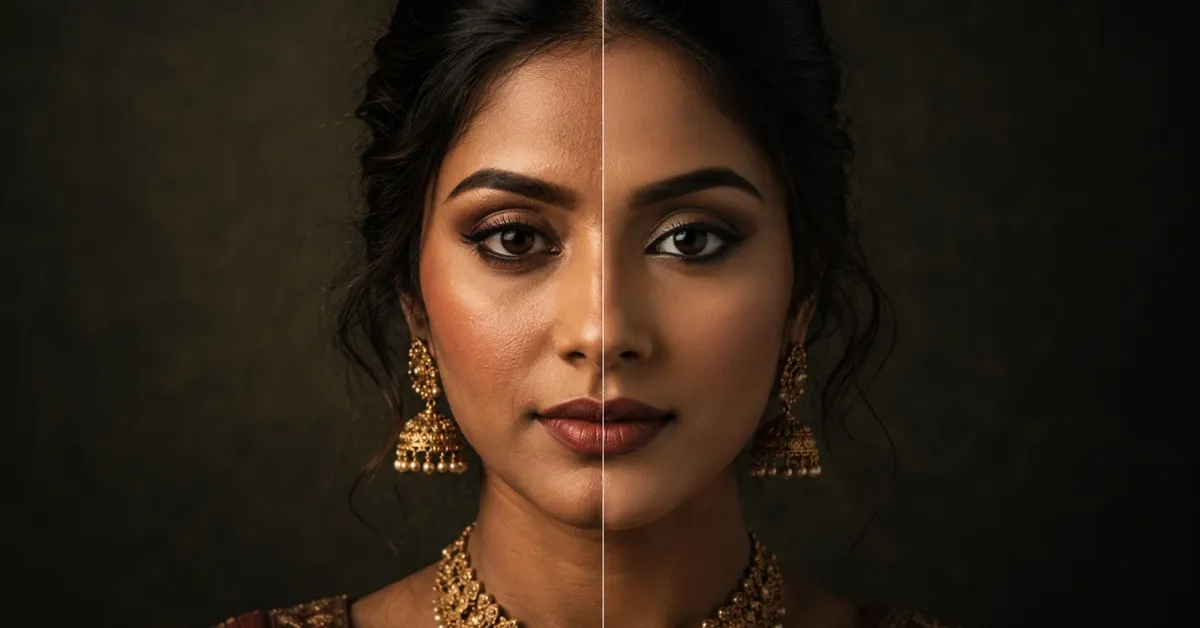
That means the base should be polished but believable. The eyes should be defined enough to hold the jewelry and saree visually, but not so smoky or flashy that they start looking disconnected from the rest of the bridal styling. The lip color should support the saree and the face, not pull attention away from the overall harmony.
This is why bridal makeup trial in Bangalore matters so much for Tamil brides. The trial is where the confusion stops. It helps decide whether the bride needs a softer muhurtham face, a richer evening transition, a more traditional eye, or a more skin-like finish for close-ups.
Should a Tamil bride choose HD or airbrush
This decision should not be made by whichever word sounds fancier.
If the bride has pigmentation, visible texture, acne marks, or under-eye darkness that needs more careful correction, HD can often be the smarter route. If the skin, weather, and event conditions suit it, an airbrush may be useful for a lighter and more uniform finish. But neither technique is automatically right just because it is popular.
That is why airbrush bridal makeup in Bangalore should be seen as one option, not the answer for everyone. The technique should be chosen based on skin, comfort, event timing, and photography needs.
Real-life examples that make this easier to understand
Take Meghana, a classical dancer from Jayanagar. She kept saving bridal looks with heavy shimmer, strong contour, and bold lips because she thought that was the only way to look properly bridal. But her actual wedding was a traditional Tamil morning ceremony with layered gold jewelry, jasmine, a rich silk saree, and elders sitting close through every ritual. At her trial, the look was softened. The base became more skin-like, the contour was reduced, the eyes stayed rich but calmer, and the lip tone was adjusted to work with the saree rather than dominate it. In the end, she looked premium, graceful, and right for the wedding she was actually having.
Then there is Harini, a software professional from Koramangala, who assumed all Tamil brides wear the same type of saree and follow the same jewelry styling. During planning, she realised her family wanted a more traditional drape for the main ceremony and a different look for the reception. Once the bridal styling was separated function by function, everything made more sense. The ceremony felt rooted. The reception looked richer. Both worked because neither tried to do the other’s job.
When your Tamil bridal look needs a different approach
Some Tamil weddings are straightforward. Others are not.
If the bride is wearing a 9-yard drape, carrying very heavy jewelry, doing a strict muhurtham ceremony, or managing a same-day muhurtham and reception, the look needs more planning. This is where a genuinely experienced bridal makeup artist in Bangalore becomes important. The right artist should ask about ritual order, saree type, jewelry weight, flower styling, photography timing, and whether the family wants the look more traditional, more modern, or carefully in between.
That is also why MJ Shekhar fits naturally into this topic. A Tamil bride does not just need makeup. She needs thoughtful planning that respects the wedding format.
If the bride also has a reception later, how to plan the muhurtham and bridal makeup for the reception on the same day becomes an important internal reference. One face cannot always do two completely different jobs without a plan.
MJ Gorgeous Makeup Studio · Bengaluru
Your date is either
available or it isn't.
Excellence is rarely available last minute. Bridal dates fill 6 to 9 months ahead, and peak season closes first. A two minute enquiry tells you where you stand.
Check your dateMJ Shekhar reviews every enquiry personally.
Final verdict
The Tamil bride look is graceful, but it is not simple. It is highly structured. The saree, jewelry, flowers, rituals, and makeup all depend on each other. That is why the best Tamil bridal look is not the loudest or the trendiest. It is the one that feels complete inside the wedding it belongs to.
A bride planning a Tamil wedding should not ask only, “What makeup looks nice?” She should ask, “What look will still feel right with my saree, my jewelry, my family rituals, my timing, and my photographs?” That is the question that leads to a truly beautiful bridal look.
Frequently Asked Questions
MJ GORGEOUS · BRIDAL ANSWERS
Trust MJ Gorgeous for honest bridal guidance?
Add us as a Preferred Source on Google to find more of our advice in Search and AI results.