Beautician vs Makeup Artist – What Is the Real Difference
If you are wondering about the difference between a beautician and a makeup artist, here is the straight answer.
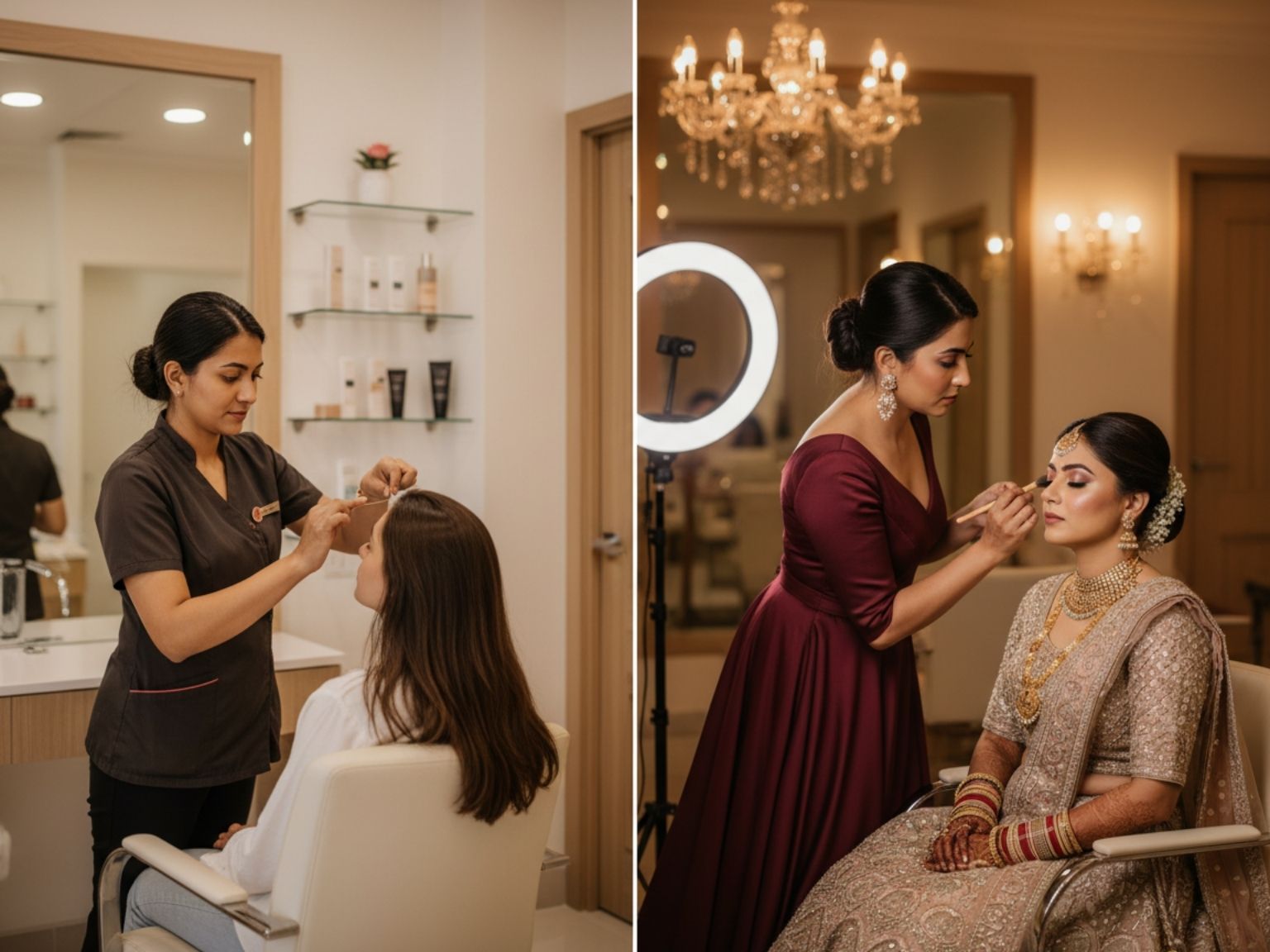
A beautician usually focuses on grooming, skin care, hair care, and routine salon services such as facials, waxing, threading, and clean-up. A makeup artist focuses on creating a finished look for a specific occasion such as a wedding, reception, engagement, party, photoshoot, or event. The roles can overlap, but they are not the same. If your goal is maintenance, a beautician is usually the right fit. If your goal is a polished final look, especially for bridal makeup, a makeup artist is usually the better choice.
Quick Answer: A beautician helps maintain your appearance.
A makeup artist creates your occasion-ready look. That is the simplest way to understand the difference between a beautician and a makeup artist.
Why do people confuse the two
This confusion is common because both work in the beauty space, and in many salons, one person may provide multiple services. That is where people start assuming every beauty professional is the same.
They are not.
A beautician is usually associated with routine beauty care. A makeup artist is associated with look creation. One focuses more on regular grooming and upkeep. The other focuses more on the final visual outcome.
This does not mean one is “better” than the other. It means they solve different problems.
What a beautician usually does
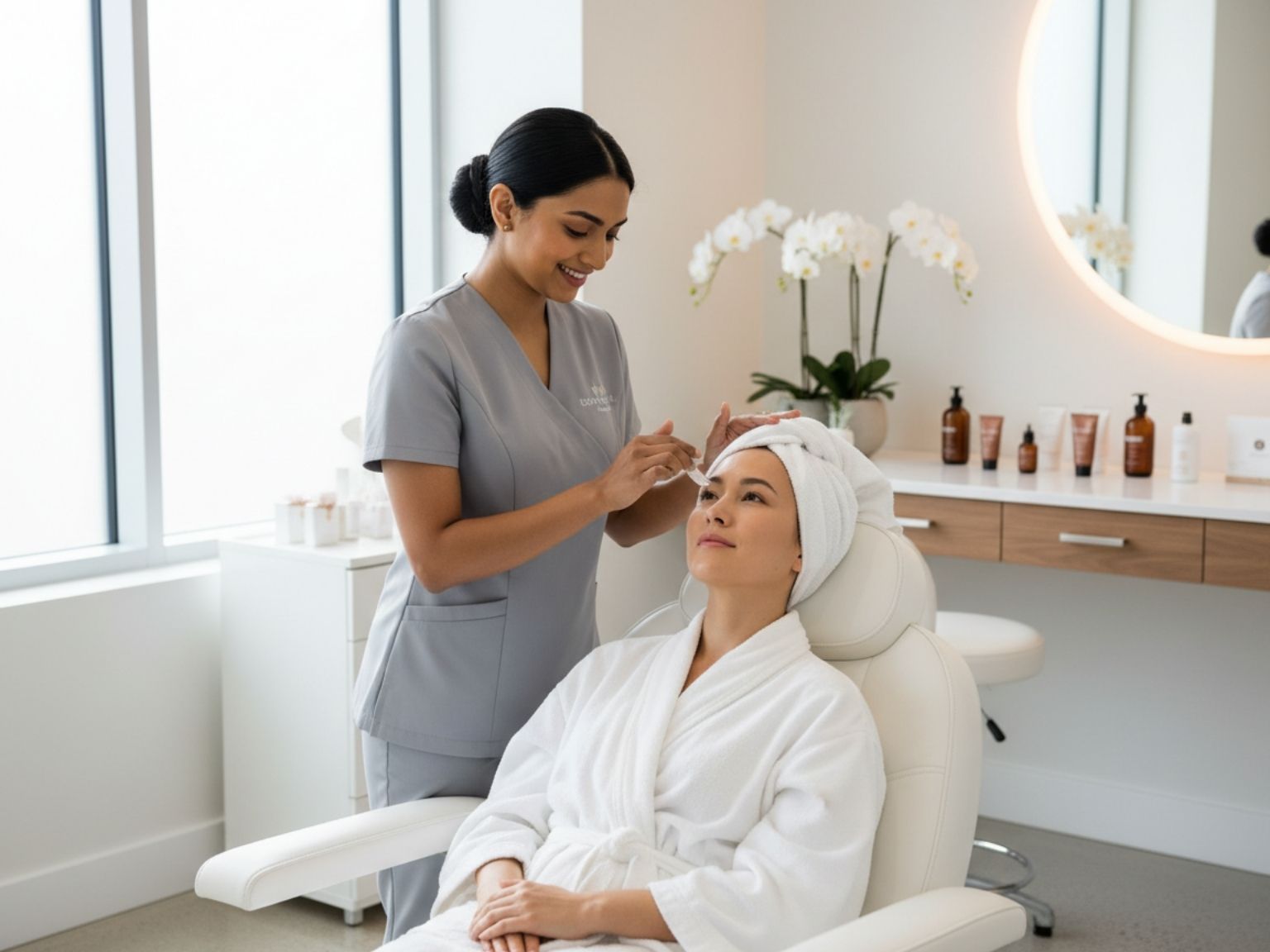
A beautician is usually the person you go to for regular maintenance and beauty care. Their work often centers on keeping the skin, face, hair, and overall grooming in good shape.
Typical beautician services may include facials, cleansing, waxing, threading, eyebrow shaping, manicures, pedicures, skin prep, and basic salon grooming. In some cases, a beautician may also offer simple makeup services, especially for smaller occasions or quick event-ready looks.
So if someone asks, “What does a beautician do?” the practical answer is this: a beautician helps you look clean, groomed, and maintained.
Think of it like preparing the canvas.
What a makeup artist usually does
A makeup artist is usually booked when the final look matters.
This is not just about applying foundation and lipstick and hoping the lighting is kind. A makeup artist is expected to understand face shape, undertone, skin texture, outfit balance, occasion, lighting, photography, longevity, and how the makeup will look both in person and on camera.
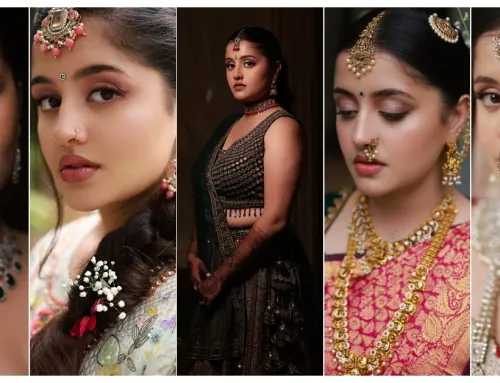
Typical makeup artist services may include bridal makeup, engagement makeup, reception makeup, party makeup, photoshoot makeup, editorial makeup, and occasion styling. Many makeup artists also handle or coordinate hair styling, draping, lash work, and overall face balance.
So if someone asks, “What does a makeup artist do?” the better answer is this: a makeup artist creates a customized look for a specific event or visual outcome.
Think of it like painting the final picture.
Beautician vs makeup artist – the real difference
The beautician vs makeup artist comparison becomes easy when you stop looking at titles and start looking at purpose.
A beautician is usually for maintenance.
A makeup artist is usually for transformation.
A beautician helps with skin and grooming services that improve your appearance over time or prepare you for an event. A makeup artist steps in when you need the final look to be intentional, flattering, event-appropriate, and long-wearing.
That is the real difference between a beautician and a makeup artist.
Where the roles overlap
This is the part many articles mess up.
The line is not completely rigid. Some beauticians are trained in makeup. Some makeup artists understand skin prep extremely well. Some professionals do both. In real life, the beauty industry overlaps.
So the correct answer is not that a beautician can never do makeup. The correct answer is that the depth of skill, level of specialization, and type of result expected are different.
A person may be able to do both roles. But the role they are performing for you depends on the service you actually need.
That nuance matters because searchers are not really asking for a dictionary definition. They are asking, “Who should I trust for my face?”
Real-life example – Nisha, before her wedding week
Take Nisha, a bride in Bengaluru.
A week before her wedding, she books eyebrow shaping, waxing, and a gentle clean-up to keep her skin neat and settled. For that, a beautician is the right fit.
But on her wedding day, she books a specialist bridal makeup artist in Bangalore because she wants her makeup to survive heat, rituals, sweat, tears, close-up photography, and long hours without looking heavy or patchy.
Same bride. Same face. Different needs.
That is exactly why beauticians and makeup artists should not be used as if they mean the same thing.
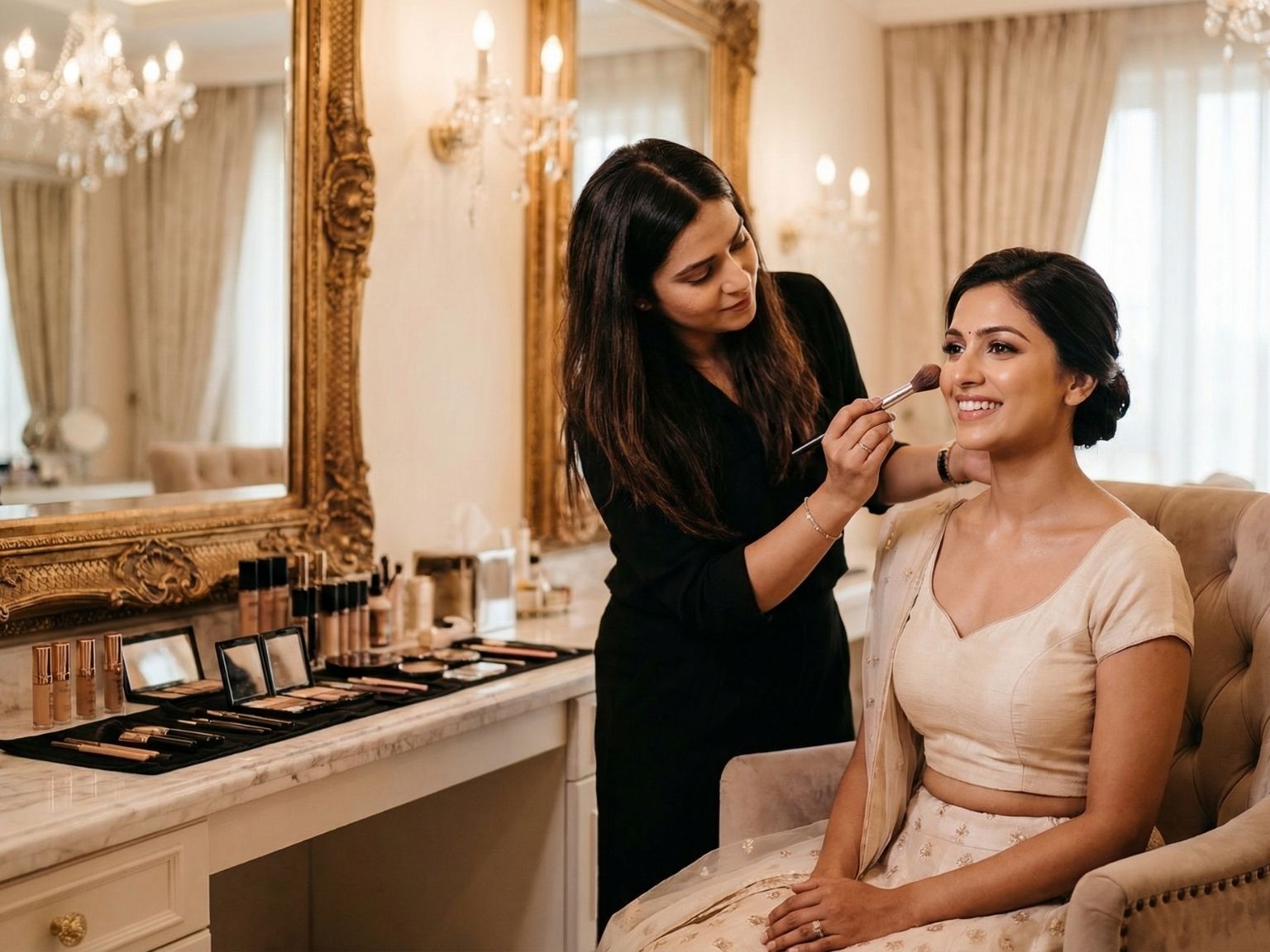
Why bridal makeup changes everything
If you are comparing a beautician or makeup artist for wedding functions, bridal makeup is where the difference becomes much more important.
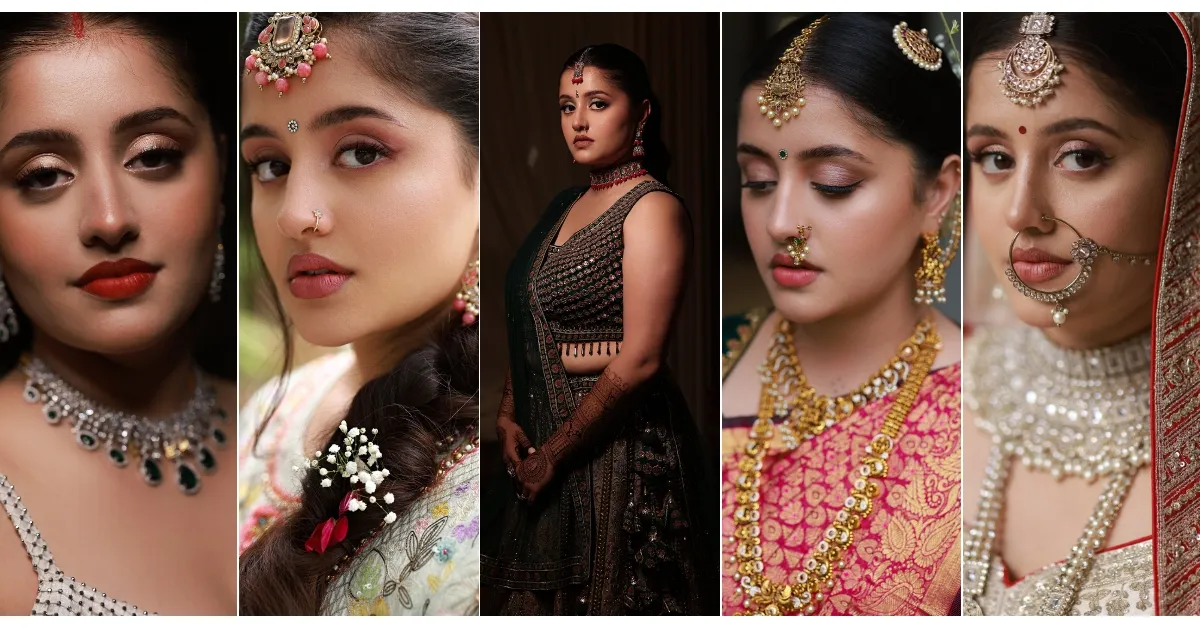
Bridal makeup is not just about looking pretty for thirty minutes. It has to work through long ceremonies, different lighting conditions, emotional moments, heavy jewellery, constant movement, and photography. It also has to suit the bride’s outfit, skin type, and features without making her look unlike herself.
That is why most brides are better off working with a specialist rather than assuming a regular salon package will do the same job.
This is also where our page on the difference between a salon and a professional makeup artist becomes useful, because many clients are not actually comparing titles. They are comparing outcomes.
Can a beautician do bridal makeup
Sometimes, yes.
But that is not the smartest question to ask.
The better question is: does this person have the portfolio, hygiene, product knowledge, skin understanding, and bridal experience to handle my wedding look properly?
Some beauticians may be very good at makeup. Some may only do basic salon-style application. Some makeup artists may be highly skilled in bridal looks, flash-friendly bases, skin-like finishes, and long-wear performance.
So yes, a beautician can do bridal makeup in some cases. But for a high-stakes event like a wedding, most people should look for a dedicated bridal makeup artist with proven work rather than relying on a title alone.
Real-life example – Meera correcting people gently
Meera is a makeup artist in Mysuru who often gets introduced by relatives as “our family beautician.” She keeps correcting them because her actual work is bridal and occasion makeup, not waxing, facials, or regular salon grooming.
Her point is fair.
She is not being arrogant. She is being accurate.
Her work depends on face design, product layering, photography awareness, skin finish, and event-specific styling. That is very different from what most clients expect from a beautician. This kind of confusion happens all the time, and it is one reason the term makeup artist vs beautician in India keeps getting searched.
Which one should you book
Here is the practical decision guide.
Book a beautician when you need
Skin prep
Cleanup
Waxing
Threading
Routine grooming
Regular salon maintenance
Book a makeup artist when you need
Bridal makeup
Reception makeup
Engagement makeup
Party makeup
Photoshoot makeup
A customized event-ready look
Book both when needed
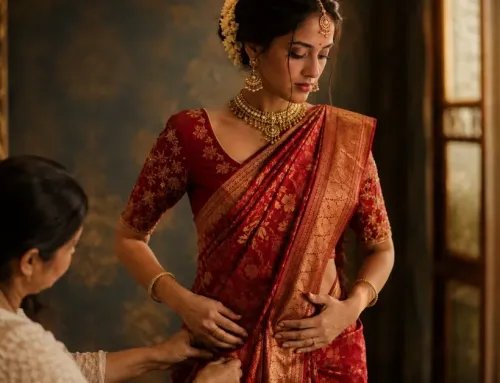
For weddings and major functions, both roles can matter. A beautician may help with prep and grooming before the event, while the makeup artist handles the final look on the day.
A simple rule you can remember!
If the goal is maintenance, think of it as beautician work.
If the goal is the final look, think makeup artist.
That one line clears up most of the confusion about the difference between a beautician and a makeup artist.
Can one person be both a beautician and a makeup artist?
Yes, absolutely.
Many professionals are cross-trained or evolve over time. Someone may start with salon beauty services and later specialize in makeup artistry. Someone else may begin as a makeup artist and gradually build stronger knowledge of skin prep and grooming.
So the smarter way to judge a professional is not by label alone. Look at their portfolio, hygiene, specialization, consistency, and whether their actual work matches your requirements.
That is far more useful than arguing over titles.
Our Verdict
A beautician and a makeup artist are not the same, even though the roles can overlap.
A beautician usually handles grooming, skin care, and routine beauty services. A makeup artist usually handles customized looks for occasions, weddings, and photography.
If you need regular maintenance, book a beautician.
If you need a finished event look, book a makeup artist.
If you are a bride, choose a specialist with real bridal experience.
That is the clearest and most useful answer.
Thinking about bridal makeup in Bangalore
If you are trying to choose the right professional for your wedding, start with the person who is strongest at the final result, not the person who simply offers the broadest list of beauty services. A bride usually benefits more from a focused specialist than from a general package that tries to do everything.
You can explore MJ Shekhar and our bridal makeup services in Bangalore if you want to understand what premium bridal makeup should actually involve. If your interest is more personal and you want to learn what works on your own face, our personal grooming workshop may be a better fit.
Frequently Asked Questions
MJ GORGEOUS · BRIDAL ANSWERS
Trust MJ Gorgeous for honest bridal guidance?
Add us as a Preferred Source on Google to find more of our advice in Search and AI results.