Difference between a salon and a professional makeup artist – what brides should actually know
If you are trying to understand the difference between a salon and a professional makeup artist, here is the most honest answer: a salon may work well for routine grooming or a simpler event, but a professional makeup artist is usually the better choice when the occasion matters, the photos matter, the timing is tight, and you want a look designed around your face, skin, outfit, and function.
That does not mean salons are bad and professionals are automatically brilliant. It means the difference usually comes down to specialization, customization, hygiene discipline, planning, and how the person performs under pressure. Bridal makeup is not just “regular makeup but more expensive.” Even wedding planning guides like The Knot treat bridal makeup as its own category because it needs to last, photograph well under different lighting, feel comfortable for hours, and work with skin concerns, logistics, and schedules.
Quick answer
A salon may suit you better when:
-
you want a simpler event look
-
you are comfortable going to a fixed location
-
the function is low pressure
-
you already trust a specific artist there
A professional makeup artist may suit you better when:
-
it is your wedding, engagement, reception, or another high-stakes event
-
you want a look customized to your features
-
you need long wear and better photo performance
-
you want on-location service or tighter timeline planning
-
you have skin concerns, allergies, or very specific preferences
The biggest difference – specialization versus standard service
The main difference between a salon and a professional makeup artist is not the chair, the mirror, or the lighting. It is the level of decision-making.
A salon setup is usually built around multiple beauty services running through the day. Makeup may be one of several offerings. A professional makeup artist, especially one who focuses on weddings and occasion beauty, is more likely to build the entire service around your face, your skin, your event, your timing, and your desired finish.
That matters because bridal makeup has different demands. A strong artist has to think about undertone, texture, oxidation, flashback, weather, jewellery balance, camera distance, function timing, and whether the look still holds after tears, sweat, hugging relatives, and the usual wedding chaos. The Knot specifically recommends asking bridal artists how they handle skin types, bridal party schedules, timing, setup, and delays, as these factors directly affect results.
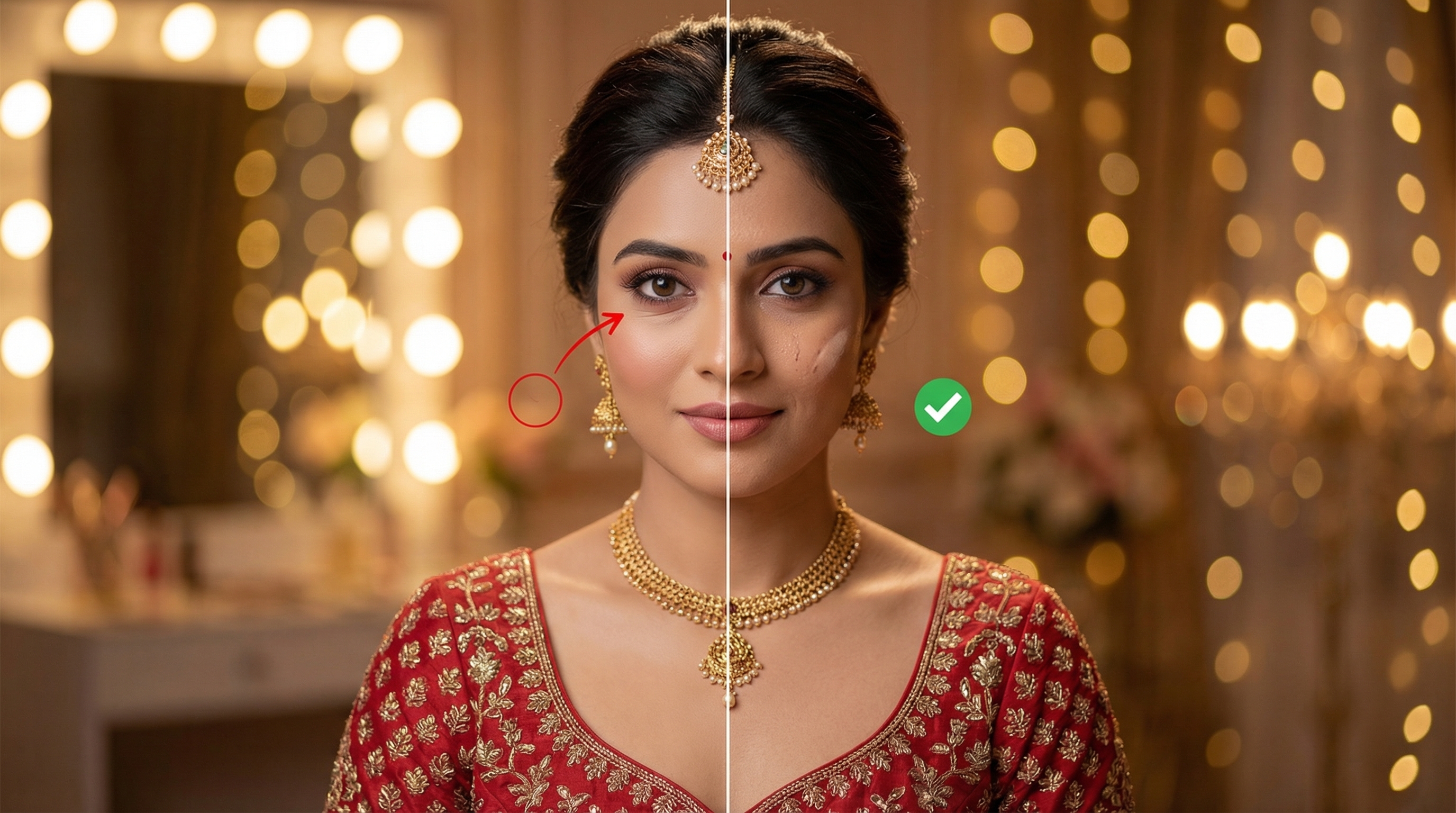
Customization – one template does not suit every face
This is where many people get fooled.
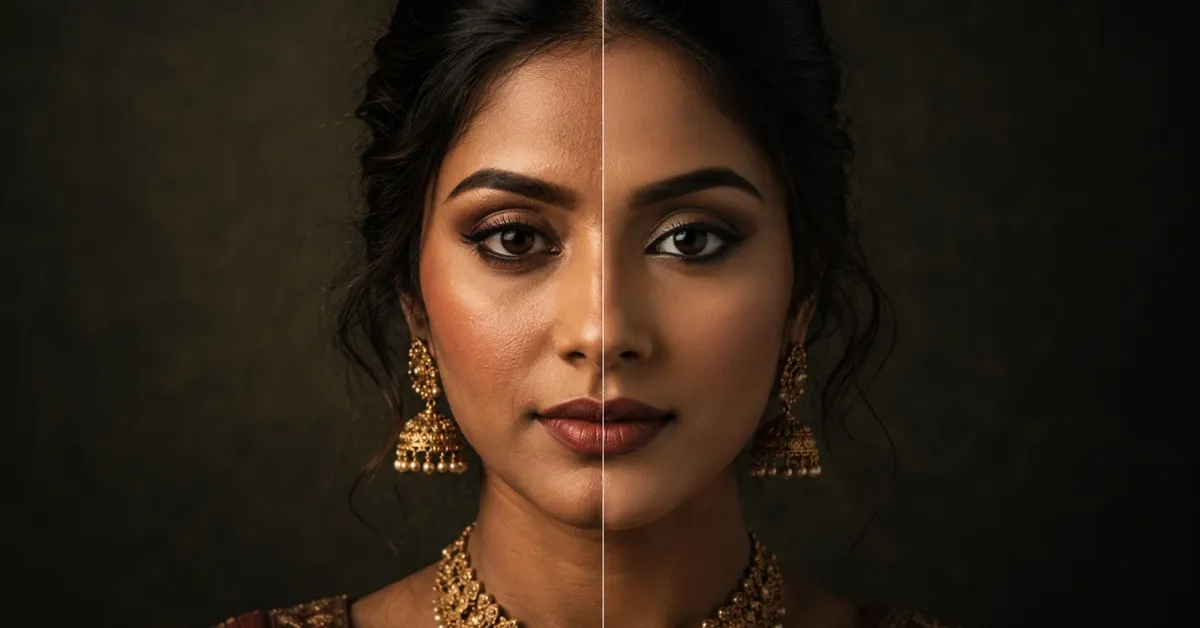
A lot of makeup can look “nice” for five minutes. That does not mean it is right. Some faces carry stronger eyes beautifully. Some need a softer structure. Some brides need less powder because their skin already looks dry. Some need more longevity support because the function is long and humid. Some want a premium natural finish, which is often harder to execute than loud glam.
A professional makeup artist is more likely to ask questions such as:
-
What function is this for
-
What is the ready time
-
What is the venue lighting like
-
How does your skin behave after four hours
-
Do your eyes water
-
Do you want softer, stronger, fresher, or more traditional makeup
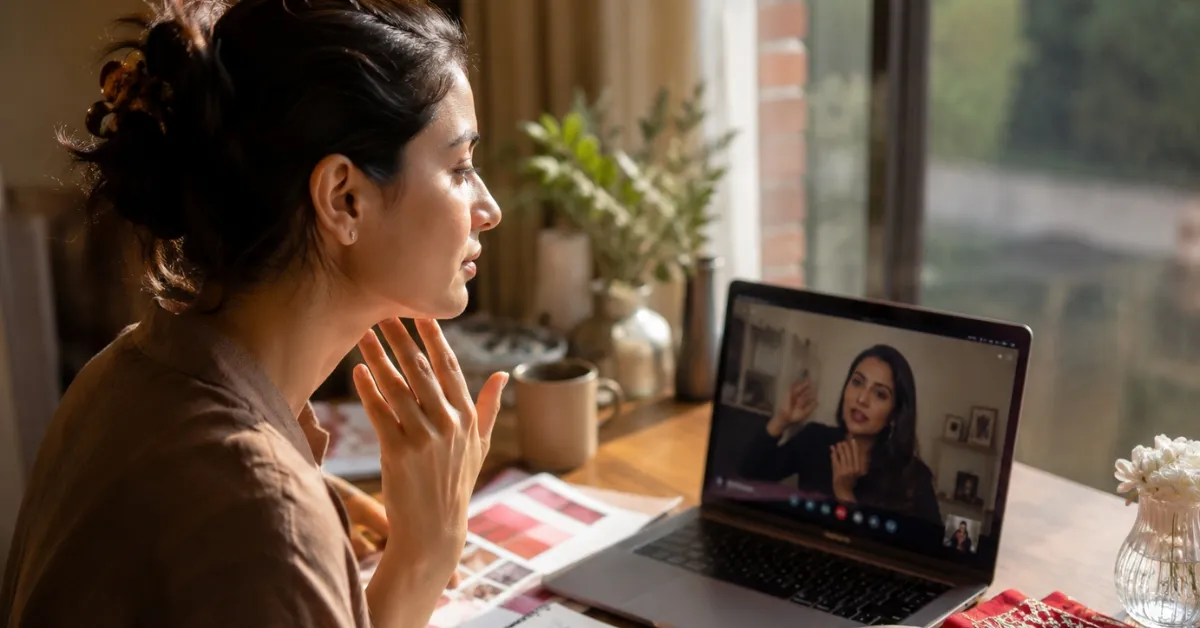
That consultation mindset is a huge part of the difference. In fact, bridal booking guides now explicitly frame consultation, trial, and compatibility as part of choosing the right artist, not an optional extra.
For example, imagine Shreya from Jayanagar booking a salon for her engagement because it feels quick and convenient. The makeup looks decent in the mirror, but in photographs, her under-eye turns slightly grey, and the base breaks around the mouth by evening. For her wedding, she books a specialist who adjusts the undertone, reduces powder, rebalances the lashes, and builds the skin with lighter layers. Same bride. Same face. Completely different result.
That is not branding. That is judgment.
Products – it is not just about expensive brands
One of the weakest parts of the old article is the idea that salons use ordinary products while professionals use world-class products. Reality is more annoying than that, because reality always ruins lazy marketing.
A salon can have excellent products. A professional can also own expensive products and still apply them badly.
The real difference is product selection plus technique. A skilled artist knows which formula works for oily skin, which base will photograph cleanly, what will survive humidity, what may irritate reactive skin, and how to layer without making the face look heavy.
So no, the question is not “Are the products luxury?”
The better question is “Does the artist know why this product belongs on this face for this event?”
Hygiene – boring until your skin reacts
Hygiene sounds like a side issue until your skin decides to protest.
The American Academy of Dermatology says dirty makeup brushes can collect oil, dirt, and bacteria and may contribute to acne, rashes, and even serious infections. The same guidance also says brushes should be cleaned regularly and not shared.
That is why brides with acne-prone, sensitive, or reactive skin should care about:
-
brush sanitation
-
sponge handling
-
decanting habits
-
kit organization
-
whether the artist understands cross-use risks
A good professional artist is often more conscious of these details because their reputation depends on the face walking out happy rather than irritated.
Patch testing matters too. The American Academy of Dermatology recommends testing products on small areas over several days because irritation or allergic contact dermatitis may not show up immediately.
That is exactly why a proper bridal makeup trial in Bangalore is not just a luxury add-on. It is risk control.
Take Nandini from Whitefield as a simple example. She has sensitive skin and a history of reacting to fragrance-heavy products. In a rushed salon appointment, that conversation may never happen properly. In a stronger professional setup, that concern gets flagged early, patch-tested, and planned for. Small difference on paper. Massive difference on the wedding week.
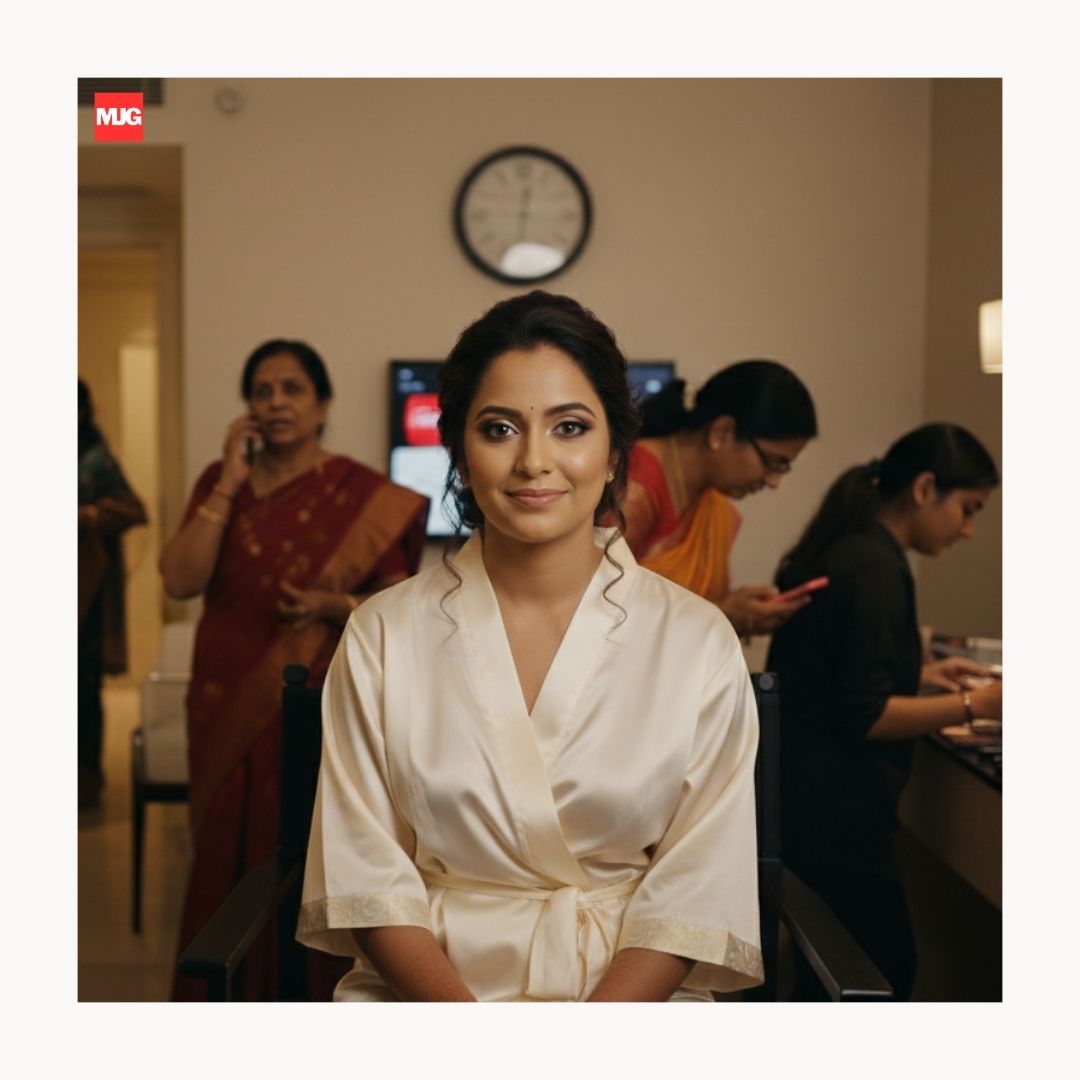
Wedding day logistics – the hidden factor brides underestimate
This is one area where professional artists often win outright.
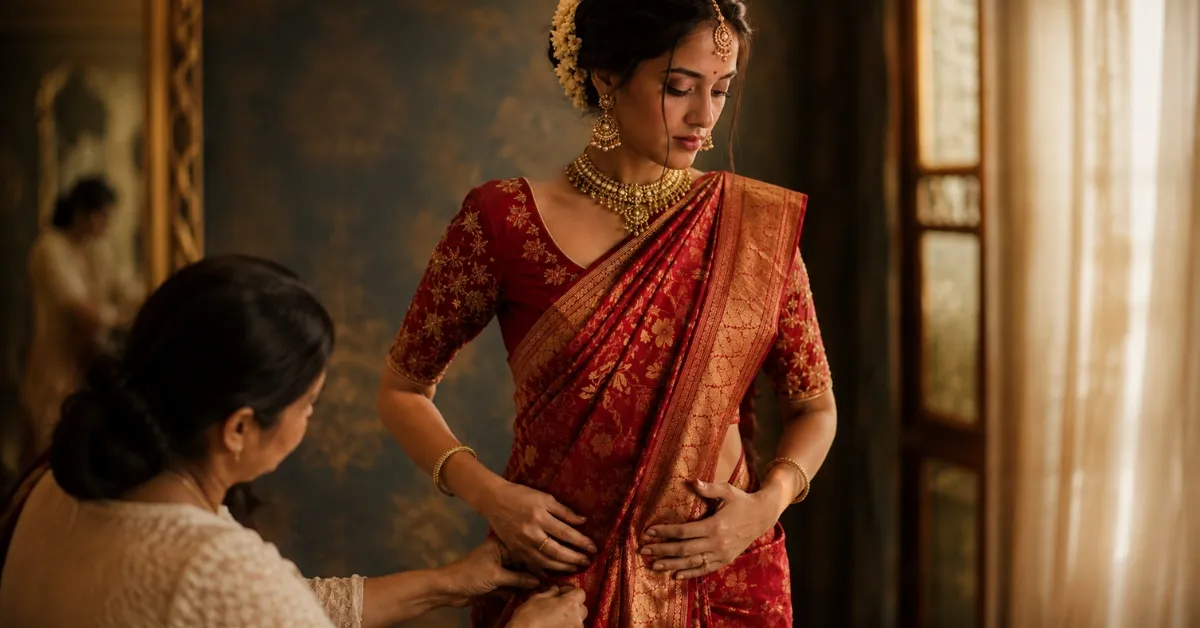
If you have to leave your venue or hotel, travel to a salon, wait for your turn, finish the service, return without disturbing the makeup, and still stay on schedule for draping, jewellery, photography, and rituals, you have created an unnecessary stress loop.
Wedding beauty planning resources consistently treat logistics as a serious part of the decision. The Knot advises brides to ask artists about total timelines, setup, adjustments, delays, and coordination for additional people. Separate bridal advice on on-location versus salon services also points out that travel and salon backups can create timing stress on the wedding morning.
For Bangalore brides, this becomes even more real because traffic is not exactly known for spiritual
When a salon is genuinely a good option
A salon can absolutely be the right choice when:
-
The event is smaller
-
You want a simpler look
-
The artist there is actually skilled and consistent
-
Logistics are easy
-
You do not need bridal-level planning
-
You are not dealing with sensitive skin or high wear demands
This article should not become childish “salon bad, professional good” nonsense. The real issue is suitability.
When a professional makeup artist is the smarter choice
A professional makeup artist is usually the better choice when:
-
It is a wedding or an engagement
-
Your photos and videos matter a lot
-
you want a skin-like, premium finish
-
You have allergies, acne, texture, or specific concerns
-
Your event is long
-
Your function starts early
-
You want on-location convenience
-
You want a calmer, more guided experience
That is why brides researching how to choose the best bridal makeup artist in Bangalore usually end up looking beyond price and start judging the process, communication, portfolio quality, timing, and how the artist handles real faces.
Our verdict
The difference between a salon and a professional makeup artist is not status. It is fit. A salon may be enough for a straightforward function.
A professional makeup artist is usually the safer choice when the event matters enough that poor shade matching, bad hygiene, weak longevity, or wedding-morning delays will actually affect your experience and your photos.
For most brides, especially those planning a wedding in Bangalore, the smarter question is not “Which one is cheaper?” It is “Who can give me the right look, in the right conditions, with the least risk?”
That question usually leads to better bookings.
If you are still narrowing it down, start with a bridal makeup artist in Bangalore, review the bridal makeup trial checklist, and book a proper bridal consultation. That sequence saves more regret than last-minute discount hunting ever will.
Frquently Asked Questions
MJ GORGEOUS · BRIDAL ANSWERS
Trust MJ Gorgeous for honest bridal guidance?
Add us as a Preferred Source on Google to find more of our advice in Search and AI results.